The
standoff over the Strait of Hormuz escalated again on Saturday as Iran reversed its reopening of the crucial waterway and fired on ships attempting to pass, in retaliation after the United States pressed ahead with its blockade of Iranian ports. New attacks on the strait, through which roughly one-fifth of the world’s oil normally passes, threatened to deepen the global energy crisis and push the countries into renewed conflict as the war entered its eighth week. Is India prepared for a prolonged crisis?
Why Iran Closed the Strait of Hormuz Again
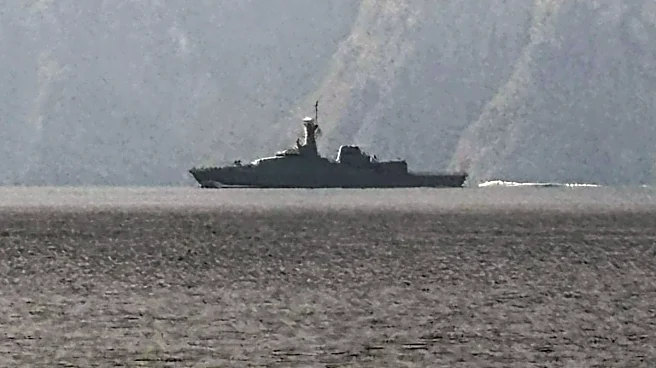
There was a sigh of relief in the entire world after Iran on Friday announced the reopening of the Strait of Hormuz for commercial vessels, a move praised by US President Donald Trump. Iranian Foreign Minister Abbas Araghchi posted on X that the crucial waterway was now fully open to commercial vessels. Iran's announcement came after the 10-day truce between Israel and Lebanon appeared to hold. Trump initially celebrated the opening of Hormuz, saying that the waterway was 'fully open and ready for full passage.' Minutes later, Trump said the American blockade on Iranian ships and ports "will remain in full force" until Tehran reaches a deal with the US, including on its nuclear program.Hours later, Iran once again closed the Strait of Hormuz in retaliation for the US blockade. Iran's Revolutionary Guard Navy on Saturday warned that "no vessel should make any movement from its anchorage in the Persian Gulf and the Sea of Oman, and approaching the Strait of Hormuz will be considered as cooperation with the enemy" and will be targeted.The Iranian fire hit two India-flagged merchant ships, prompting New Delhi to summon the Iranian envoy. Revolutionary Guard gunboats opened fire on a tanker and an unknown projectile hit a container vessel, damaging some containers, the British military’s United Kingdom Maritime Trade Operations center said on Saturday, as reported by AP.
How Hormuz Closure May Impact India?
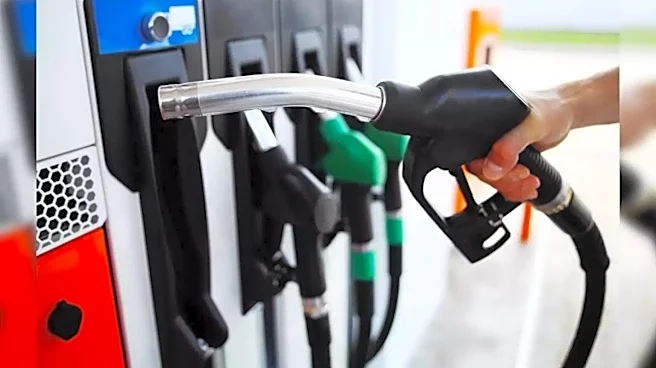
According to figures, India imports around 85 per cent of its total crude oil needs. A significant share comes from West Asian producers such as Saudi Arabia, and the UAE, among others — most of it routed through the Strait of Hormuz. Any disruption in this corridor directly affects supply chains, freight costs, and insurance premiums, often within days.Oil markets typically react instantly to such geopolitical shocks. It was evident as cost of a barrel of Brent crude fell to $88 (£65) a barrel after Iran announced the reopening of Hormuz. Given the volatility, even the perception of risk around the Strait of Hormuz can push up global crude prices, feeding into higher fuel costs domestically and complicating inflation management for policymakers.
Is India Prepared For Prolonged Disruption?
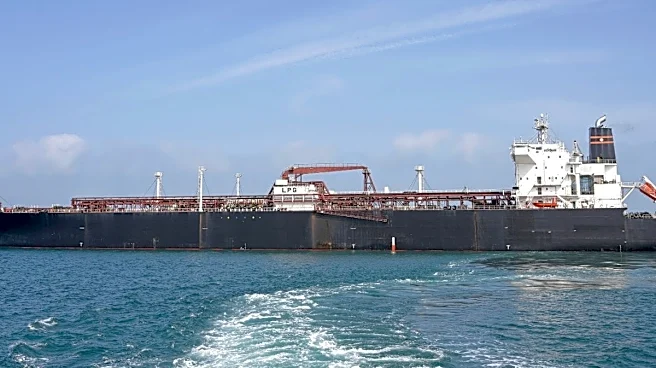
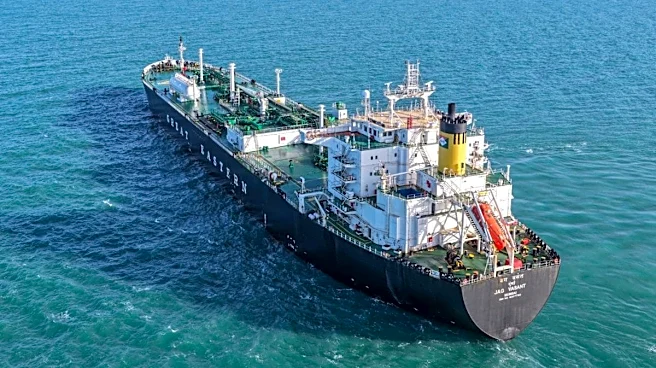
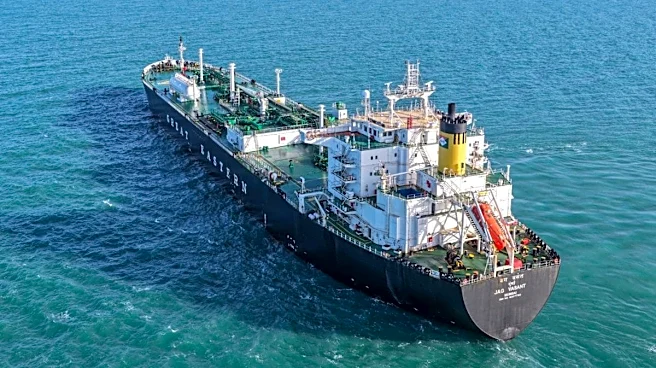
India is among the countries to have the highest number of ships cross the Strait of Hormuz during the Iranian blockade since February 28. Eight Indian-flagged vessels have successfully crossed the war-hit Strait of Hormuz, including MT Shivalik, MT Nanda Devi, Pine Gas, Jag Vasant, BW TYR, BW ELM, Green Asha, and Green Sanvi. New Delhi has so far relied on direct engagement with Tehran to facilitate the movement of vessels stranded in the narrow waterway. However, the situation looks different this time. India should remain prepared for any sudden escalation in the West Asia conflict, said Union Defence Minister Rajnath Singh at a high-level meeting of the Informal Group of Ministers (IGoM). At present, India has 60 days stock of crude oil, petrol, diesel, and ATF (Aviation Turbine Fuel), the IGoM was told. The IGoM was informed that despite a significant global supply shock, India has maintained an adequate fuel stock position, with active efforts to ensure an uninterrupted supply, the defence ministry said in a statement."Currently, India has inventories of crude oil, petrol, diesel, and ATF (Aviation Turbine Fuel) sufficient for over 60 days of consumption. While LNG stocks sufficient for approximately 50 days and LPG stocks sufficient for approximately 40 days respectively are maintained, supported by domestic production," it said."To mitigate risks arising from heavy dependence on the Strait of Hormuz, the government has actively diversified import sources, securing crude, LNG (Liquefied Natural Gas), and LPG (Liquefied Petroleum Gas) supplies from regions including the US, Australia, and Latin America. Import requirements for April and May 2026 are largely secured, ensuring continuity of supply," it added.Earlier in March, the government had said that India has a total reserve capacity of approximately 74 days, with the current stock cover at around 60 days. This includes crude oil, petroleum products, and strategic reserves stored in underground caverns, ensuring nearly two months of assured fuel availability nationwide.
(With agency inputs)
/images/ppid_a911dc6a-image-177657236896341999.webp)






/images/ppid_a911dc6a-image-177656196105859162.webp)



/images/ppid_a911dc6a-image-177635127016049113.webp)