



What's Happening?
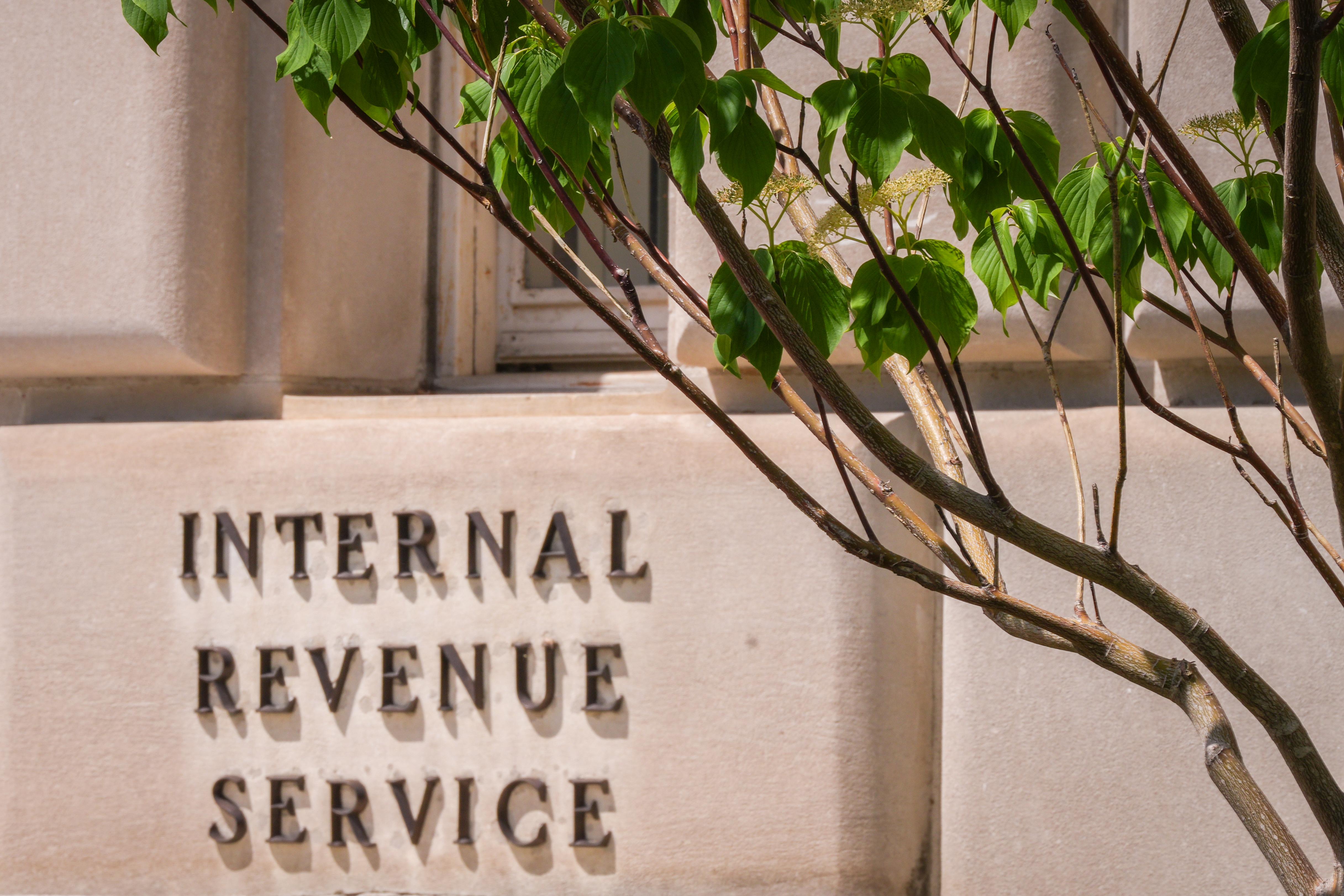
On November 12, 2026, the Internal Revenue Service (IRS) released its cost-of-living adjustments (COLAs) for tax-qualified retirement plans for the year 2027. Many key limitations for 2027, including elective
deferral and catch-up contribution limits for employees participating in 401(k), 403(b), and 457 retirement plans, have increased from their 2026 levels. Specifically, the 402(g) limit on employee elective deferrals will rise to $25,500 from $24,500. The 414(v) limit on catch-up contributions for employees aged 50-59 will increase to $8,500 from $8,000, and for those aged 60-63, it will be $11,750, up from $11,250. The Roth Catch-Up Wage Threshold, which determines if catch-up contributions must be designated as Roth, will be $155,000, an increase from $150,000. Other adjustments include the 401(a)(17) limit on includible compensation rising to $375,000, the 415(c) limit on annual additions under a defined contribution plan increasing to $75,000, and the 415(b) limit on annual age 65 annuity benefits under a defined benefit plan reaching $300,000. The officer compensation amount for 'Top-Heavy' determination (416(i)) will be $245,000, and the Highly Compensated Employee Threshold (414(q)) will be $170,000. The Social Security 'Wage Base' for plans integrated with Social Security will be $192,300.
Why It's Important?
These annual adjustments by the IRS are crucial for millions of American workers and retirees, as they directly impact how much individuals can save for retirement on a tax-advantaged basis. The increases in contribution limits for 401(k), 403(b), and 457 plans mean that employees have a greater opportunity to defer more income, potentially reducing their current taxable income while boosting their retirement savings. The higher catch-up contribution limits are particularly beneficial for older workers who may be looking to maximize their savings as they approach retirement. Furthermore, the adjustments to compensation limits and thresholds affect plan design, compliance, and the determination of highly compensated employees, which is significant for employers managing their retirement benefit programs. These changes reflect economic conditions and inflation, aiming to ensure that retirement savings vehicles remain relevant and effective in helping Americans achieve financial security in their later years.
What's Next?
Employers and retirement plan administrators will need to update their systems and communicate these new limits to their employees to ensure compliance with the 2027 COLAs. Individuals should review their current retirement savings strategies and consider adjusting their contributions to take full advantage of the increased limits. Financial advisors will likely guide clients on how these changes can be incorporated into their long-term financial planning. The ongoing adjustments by the IRS underscore the dynamic nature of retirement planning regulations, requiring continuous monitoring and adaptation by both individuals and organizations to optimize retirement outcomes and maintain regulatory compliance.
Beyond the Headlines
The consistent upward adjustment of retirement plan limits reflects broader economic trends, including inflation and wage growth, which necessitate higher savings thresholds to maintain purchasing power in retirement. This also highlights the government's ongoing effort to encourage and incentivize personal savings for retirement, thereby reducing potential reliance on social safety nets. However, the benefits of these increases disproportionately favor higher-income earners who have the capacity to contribute the maximum amounts. This can exacerbate wealth disparities in retirement savings. The complexity of these regulations also underscores the need for accessible financial education and professional advice to ensure that all Americans, regardless of their financial literacy, can effectively plan for their retirement.