



What's Happening?
Seattle and Portland are established as vital centers for maritime innovation and commerce in the Pacific Northwest. Seattle, strategically located on the Puget Sound, serves as a crucial gateway for both
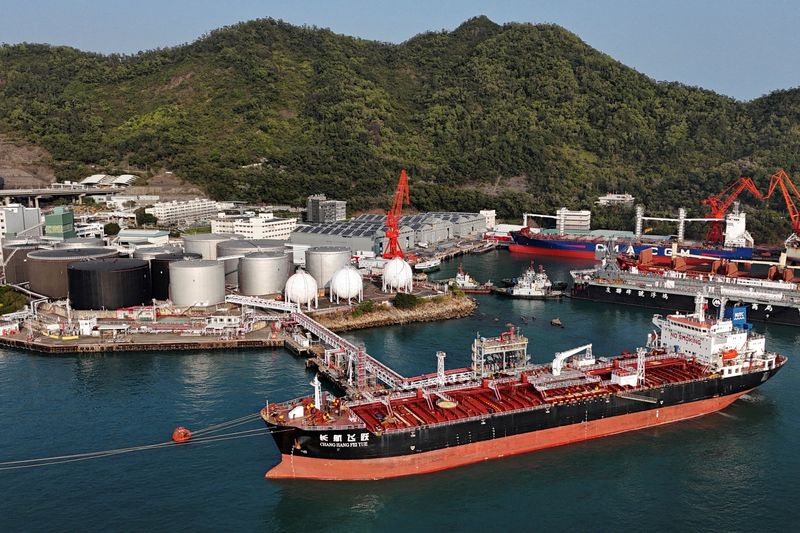
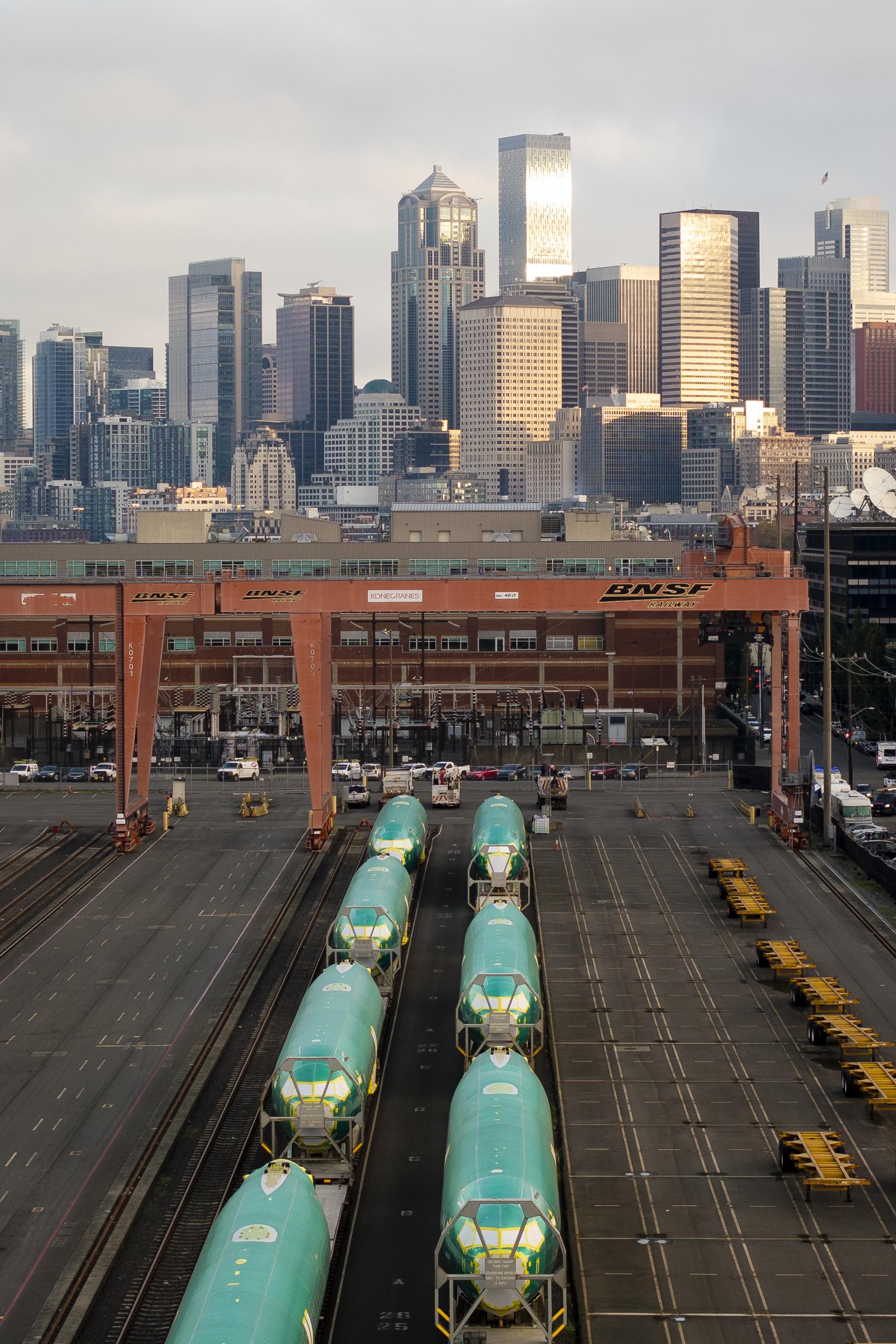
domestic and international maritime trade, with strong connections to Alaska and the Pacific. Its diverse maritime ecosystem includes shipyards, vessel repair facilities, fishing fleets, seafood processing plants, ferry systems, ports, terminals, barge operations, cruise ships, and military programs. Portland, situated along the Willamette and Columbia Rivers, functions as a key transportation and industrial hub, supporting marine transportation, industrial manufacturing, barge operations, and vessel fabrication. Both cities provide essential supplies and services to a wide range of Pacific Northwest communities and industries.
Why It's Important?
The robust maritime infrastructure in Seattle and Portland is critical for the economic vitality of the Pacific Northwest and has broader implications for U.S. trade and defense. These hubs support a diverse array of industries, including commercial fishing, shipbuilding, cargo operations, and government and military marine activities. The availability of specialized services, such as hydraulic and fluid power systems for vessels, custom fabrication, and engineering expertise, ensures that shipbuilding and repair projects can proceed efficiently, minimizing costly delays. This regional strength contributes to national supply chain resilience, supports job creation, and maintains the operational readiness of naval and commercial fleets, which are essential for national security and economic stability.
What's Next?
The maritime sectors in Seattle and Portland are expected to continue their growth and adaptation to evolving industry demands. Ongoing investment in infrastructure, technology, and skilled labor will be crucial to maintain their competitive edge. As the broader maritime industry shifts towards electrification, digitalization, and sustainability, these hubs will likely see increased demand for services and products that support these transitions. This could include the development of green shipbuilding technologies, advanced vessel repair capabilities, and enhanced logistics solutions. Collaboration between local businesses, government entities, and educational institutions will be vital to foster innovation and ensure a skilled workforce capable of meeting future challenges in the maritime domain.
Beyond the Headlines
The concentration of maritime activity in Seattle and Portland highlights the strategic importance of coastal and riverine access for regional and national economies. Beyond direct economic impact, these hubs foster a unique maritime culture and community, preserving specialized skills and knowledge passed down through generations. The environmental implications are also significant; as major maritime centers, their adoption of sustainable practices in shipbuilding, port operations, and vessel maintenance can set precedents for the wider industry. Furthermore, their role in supporting military programs underscores their contribution to national defense capabilities, making them critical assets in geopolitical contexts. The ongoing development of these maritime ecosystems reflects a broader national commitment to maintaining robust naval and commercial sea power.