



What's Happening?
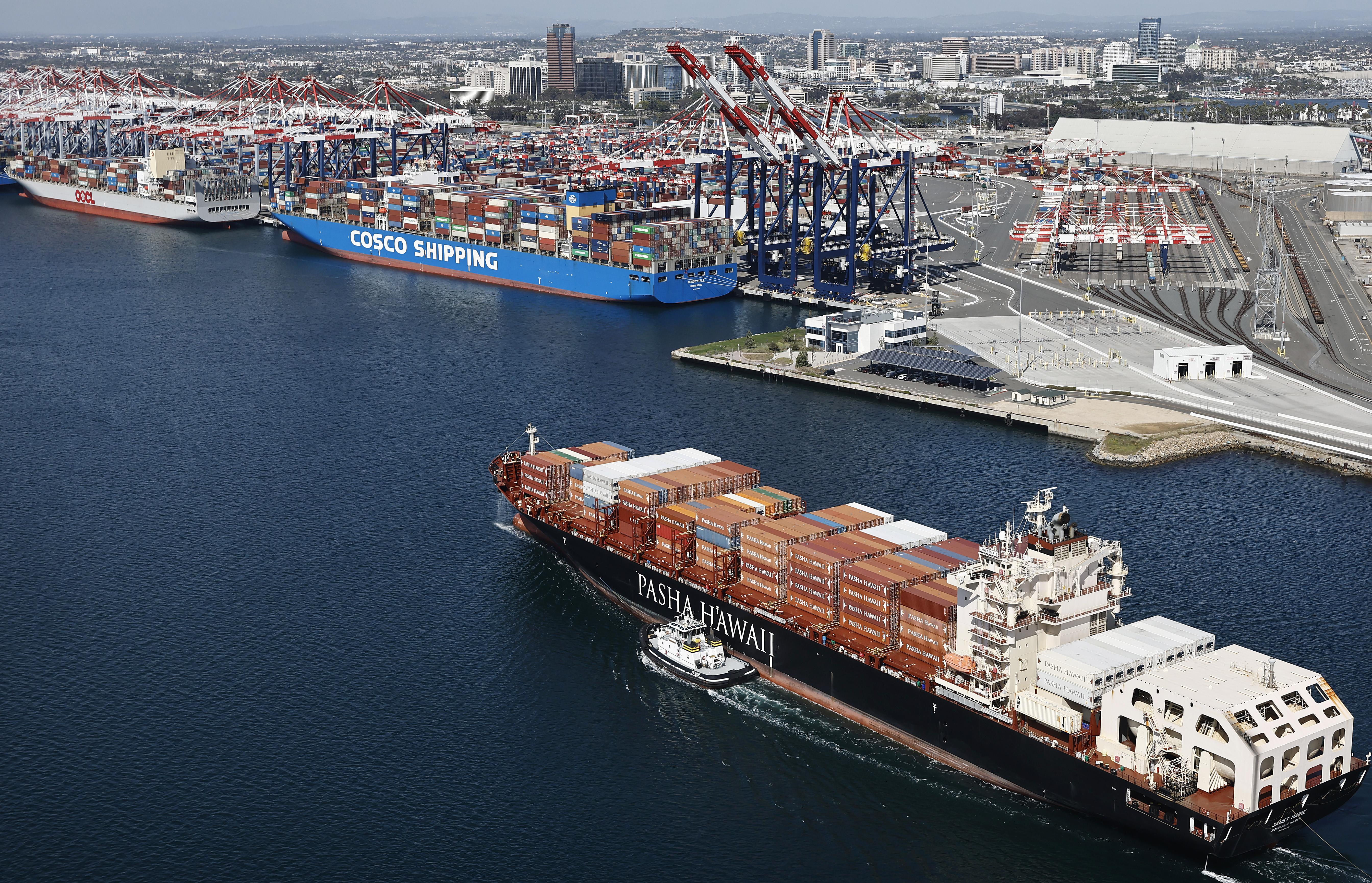
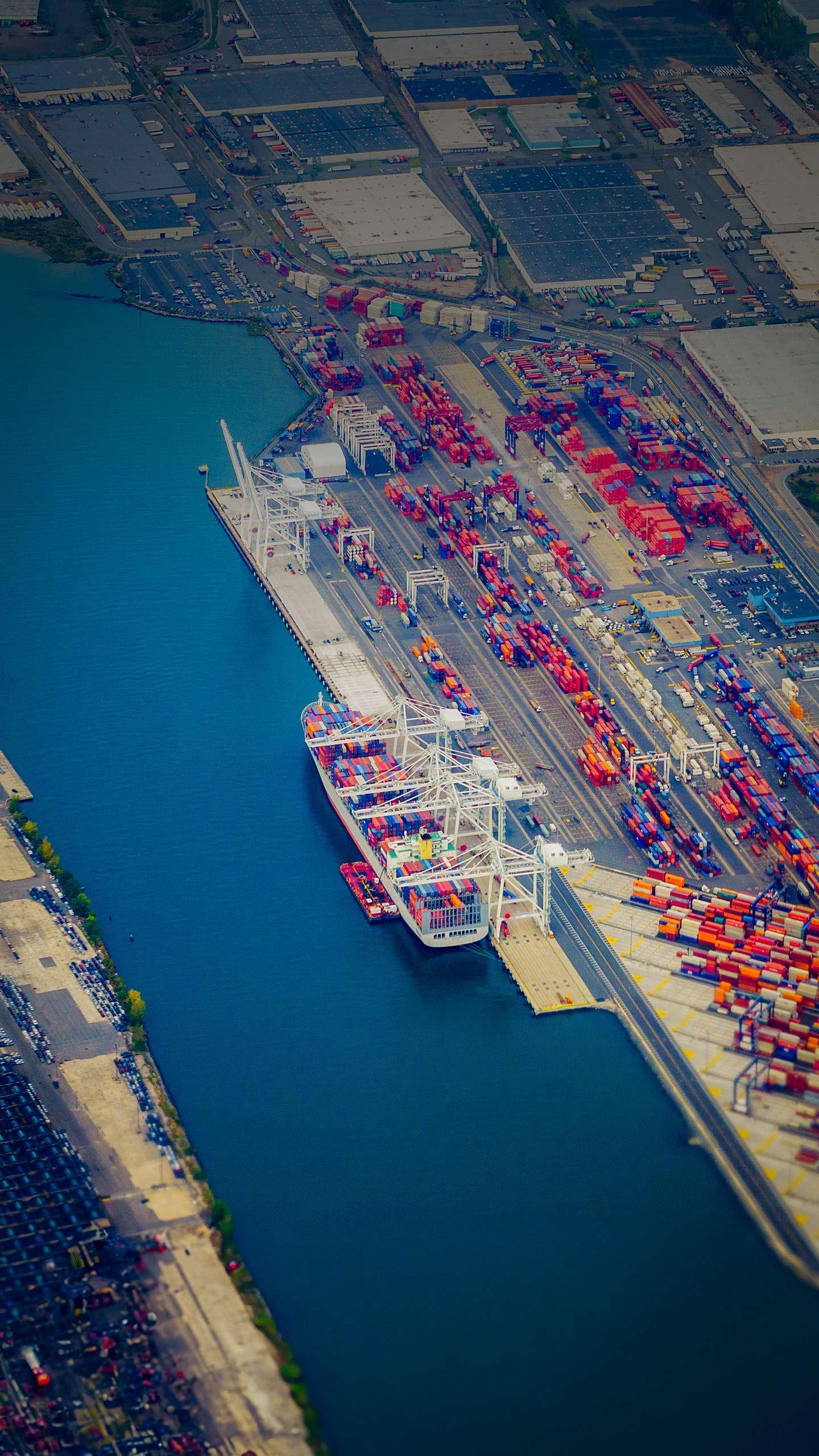
The Port of Los Angeles has reported unprecedented cargo volumes, achieving over one million TEUs (twenty-foot equivalent units) in both September and October. October's total reached 1,026,872 TEUs, marking
it as the second-highest monthly total ever recorded at the port and the first time the port has surpassed one million TEUs in consecutive months. This also signifies the third instance in 2026 that the port has reached the million-TEU milestone, a feat unmatched by any other U.S. port. Over the five-month period from June through October, the Port of Los Angeles processed nearly 5 million TEUs, establishing it as the strongest five-month stretch in its history. Executive Director Gene Seroka attributed this historic activity to sustained consumer spending, retailers replenishing inventories, shifts in trade policy, and ongoing disruptions in other global shipping routes. Loaded imports in October increased by 25% compared to the previous October, reaching approximately 538,620 TEUs, and were 30% above the port's five-year October average. The port also handled a record 373,271 empty TEUs as ocean carriers repositioned equipment to Asia.
Why It's Important?
The record-breaking cargo volumes at the Port of Los Angeles are a significant indicator of robust consumer demand and economic activity within the United States. As the nation's busiest container port, its performance directly reflects the health of the U.S. supply chain and its ability to handle substantial imports. The sustained high volume suggests that retailers are actively restocking inventories, which is a positive sign for future sales and economic stability. However, the large number of empty TEUs being repositioned to Asia highlights an ongoing imbalance in global trade, where U.S. imports significantly outweigh exports. This imbalance can lead to higher shipping costs for U.S. businesses and consumers. The port's efficiency in managing these volumes, despite global challenges, underscores its critical role in facilitating trade and supporting various U.S. industries that rely on imported goods for manufacturing and retail.
What's Next?
The Port of Los Angeles anticipates continued high cargo volumes, driven by persistent consumer spending and the need for retailers to maintain adequate inventory levels. The port's ability to sustain these record-breaking numbers will depend on ongoing operational efficiency, labor availability, and the stability of global supply chains. The repositioning of empty containers to Asia suggests that ocean carriers are preparing for further import demand, indicating that the current trend of high cargo traffic is expected to continue in the near term. The port's success in handling these volumes could also influence future investment in port infrastructure and technology to further enhance capacity and efficiency. Stakeholders will be watching to see if the port can maintain this pace and how it will adapt to potential shifts in trade policies or global economic conditions.
Beyond the Headlines
The sustained high performance of the Port of Los Angeles, despite global supply chain disruptions, points to the adaptability and resilience of the U.S. logistics network. The port's ability to manage such immense volumes has broader implications for national economic security, ensuring that essential goods reach consumers and industries. The emphasis on 'speed, reliability, and reach' by Executive Director Gene Seroka highlights a strategic focus on competitive advantages beyond mere capacity. This performance also underscores the complex interplay between consumer behavior, international trade policies, and the physical infrastructure of global commerce. The ongoing challenge of repositioning empty containers also brings to light the environmental impact of shipping and the need for more sustainable and balanced trade flows in the long run.