


What's Happening?
UPS operates a significant network of warehouses and distribution centers in Las Vegas, Nevada, which are crucial for both local commerce and regional distribution across the Southwest United States. These
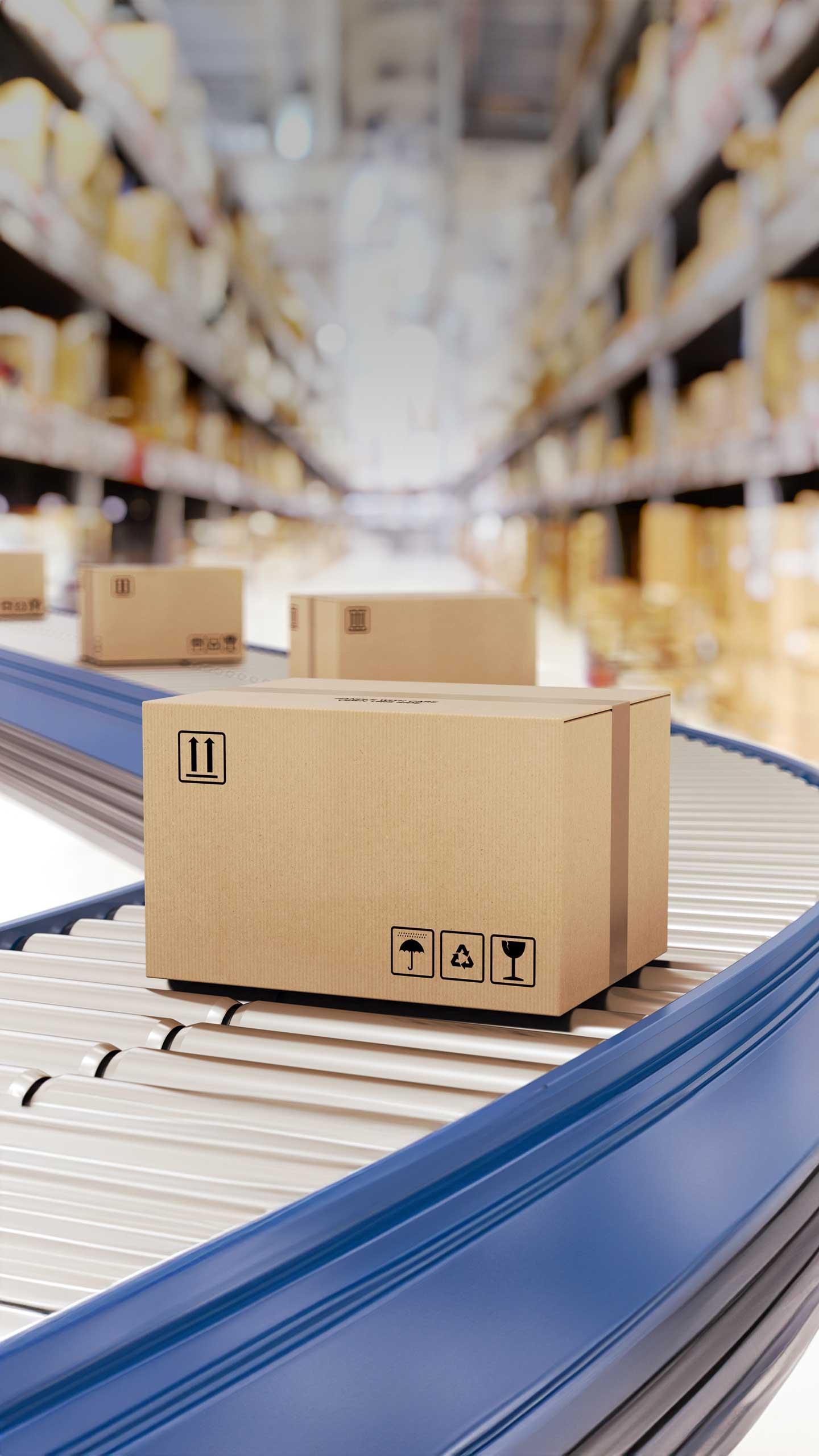
facilities range from large automated sorting hubs to smaller customer centers and freight terminals. The strategic location of Las Vegas, positioned between major consumer markets in Southern California, Arizona, and Utah, has led to substantial growth in UPS's infrastructure there. These warehouses process thousands of packages per hour using advanced scanning technology and a large fleet of delivery trucks. Key locations include the UPS Customer Center at 6565 W Sunset Rd, which serves as a central hub, and a facility at 255 E Flamingo Rd, vital for the resort corridor and convention centers. Operations involve intricate systems of conveyor belts, high-speed scanners, and automated diverters that read 'MaxiCode' labels to route packages. The system also manages challenges like extreme desert heat, ensuring temperature-sensitive shipments are handled appropriately. The integration with Harry Reid International Airport allows for seamless air and ground logistics, making Las Vegas a preferred hub for regional distribution.
Why It's Important?
The extensive UPS warehouse network in Las Vegas is vital for the efficiency of the U.S. supply chain, particularly in the Western states. Its strategic location enables rapid distribution to major consumer markets, supporting e-commerce and various industries. The advanced logistical operations, including automated sorting and temperature-controlled solutions for pharmaceuticals, ensure timely and secure delivery of goods, which is critical for businesses relying on efficient supply chains. For the local economy, UPS is a significant employer, offering competitive wages, comprehensive benefits, and career advancement opportunities through programs like 'Earn and Learn' for tuition assistance. This provides stable employment in a city often characterized by a transient, tourist-driven economy. The ability of UPS to manage high volumes, especially during peak seasons and for the unique demands of the Las Vegas hospitality industry, underscores its importance in maintaining economic flow and consumer satisfaction.
What's Next?
UPS will likely continue to adapt and expand its Las Vegas operations to meet the growing demands of the region and the broader Southwest. As e-commerce continues to grow and the population of Southern Nevada expands, UPS will need to further optimize its routes and potentially increase its facility footprint, especially in industrial parks in North Las Vegas. The company's ongoing recruitment efforts, particularly for 'Package Handlers' and during 'Peak Season,' indicate a continuous need for a robust workforce. Future developments may include further integration of automation and sophisticated software like ORION to enhance delivery efficiency and manage complex urban and suburban routes. UPS will also likely maintain its focus on specialized logistics solutions, such as 'Healthcare' and 'Cold Chain' services, to cater to specific industry needs and maintain its competitive edge in the logistics sector.
Beyond the Headlines
The sophisticated logistics infrastructure in Las Vegas, exemplified by UPS's operations, highlights the critical role of efficient supply chains in modern society. Beyond simply moving packages, these warehouses represent a complex interplay of technology, labor, and strategic planning that underpins economic activity. The 'promote from within' culture at UPS, offering career paths from entry-level positions to management, reflects a model of workforce development that can provide long-term stability and upward mobility for employees. The challenges faced, such as managing extreme temperatures and high volumes, underscore the resilience and adaptability required in logistics. Furthermore, the reliance on advanced scanning and routing technologies points to the increasing digitization of physical commerce, where data and algorithms play as crucial a role as physical infrastructure in ensuring goods reach their destinations efficiently and reliably.