


What's Happening?
Two downtown Tulsa restaurants have ceased operations since November 15, and a third has announced its impending closure, citing a significant lack of customers and persistent challenges stemming from
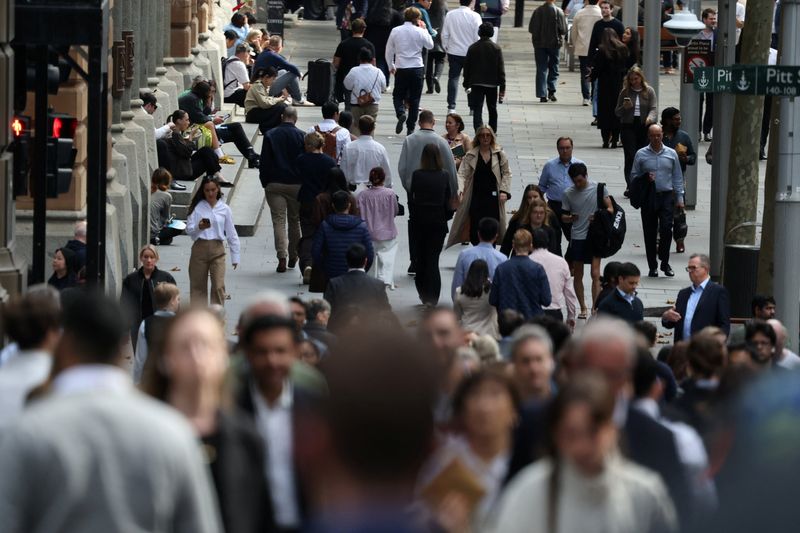
the COVID-19 pandemic. Sisserou’s Caribbean Restaurant & Cafe closed on Sunday after 13 years in the Tulsa Arts District, with owner Ilana Velazquez attributing the decision to three consecutive months of declining foot traffic and long-term effects from the pandemic. Empire Slice House, known for its New York-style pizza, shut down its downtown location on Tuesday. Its parent company, 84 Hospitality Group, stated that opening just seven days before the pandemic began created an insurmountable challenge. Maestro, an agave-style cocktail bar, announced it would close on December 31, noting that despite efforts, the business could not sustain itself. Emily Scott, Vice President of Urban Development with Downtown Tulsa Partnership, indicated that downtown Tulsa still sees 20% to 30% fewer employee foot traffic compared to 2019, despite an increase in downtown residents.
Why It's Important?
The closure of multiple downtown restaurants in Tulsa signals ongoing economic fragility within the local hospitality sector, particularly in urban cores still recovering from the COVID-19 pandemic. These closures represent a loss of jobs, dining options, and cultural vibrancy for the city. For business owners, it underscores the severe financial pressures faced by establishments unable to adapt to altered consumer behaviors or sustain operations amidst reduced foot traffic. The situation highlights a broader trend where downtown areas, once bustling with office workers, are struggling to regain their pre-pandemic vitality. While more people are choosing to live downtown, this has not fully offset the decline in daytime employee populations, creating an imbalance that impacts retail and food service businesses reliant on a diverse customer base. This trend could lead to further business contractions if not addressed through strategic urban development and economic incentives.
What's Next?
The closures of Sisserou’s, Empire Slice House, and Maestro will likely lead to vacant commercial spaces in downtown Tulsa, potentially impacting property values and the overall appeal of the affected districts. Local economic development agencies and the Downtown Tulsa Partnership may need to intensify efforts to attract new businesses or support existing ones to fill these voids and revitalize the area. The shift in downtown demographics, with more residents but fewer office workers, suggests that future business models might need to adapt to cater more specifically to residential needs and evening economies rather than traditional daytime office crowds. There could also be increased pressure on city planners to implement initiatives that boost foot traffic, such as events, public space improvements, or incentives for businesses that cater to the evolving downtown population. The employee from Empire Slice House mentioned a potential relocation to south Tulsa, indicating a possible shift in business focus away from the struggling downtown core.
Beyond the Headlines
These restaurant closures reflect a deeper transformation in urban economic landscapes post-pandemic. The decline in office worker foot traffic suggests a lasting impact of remote and hybrid work models, fundamentally altering the daytime economy of central business districts. This shift challenges the traditional urban planning model that often relies on a dense daytime workforce to support local businesses. The closures also highlight the vulnerability of small and medium-sized businesses to prolonged economic disruptions, even years after the initial crisis. Furthermore, the loss of establishments like Sisserou’s, a Caribbean restaurant, can diminish the cultural diversity of a city's culinary scene, impacting its overall appeal and identity. The struggle of these businesses underscores the need for innovative urban revitalization strategies that consider new patterns of work, living, and leisure to ensure the long-term economic health and vibrancy of downtown areas.