



What's Happening?
New York City has experienced a significant surge in new luxury hotel openings and major renovations over the past five years, with several prominent establishments making their debut or undergoing extensive
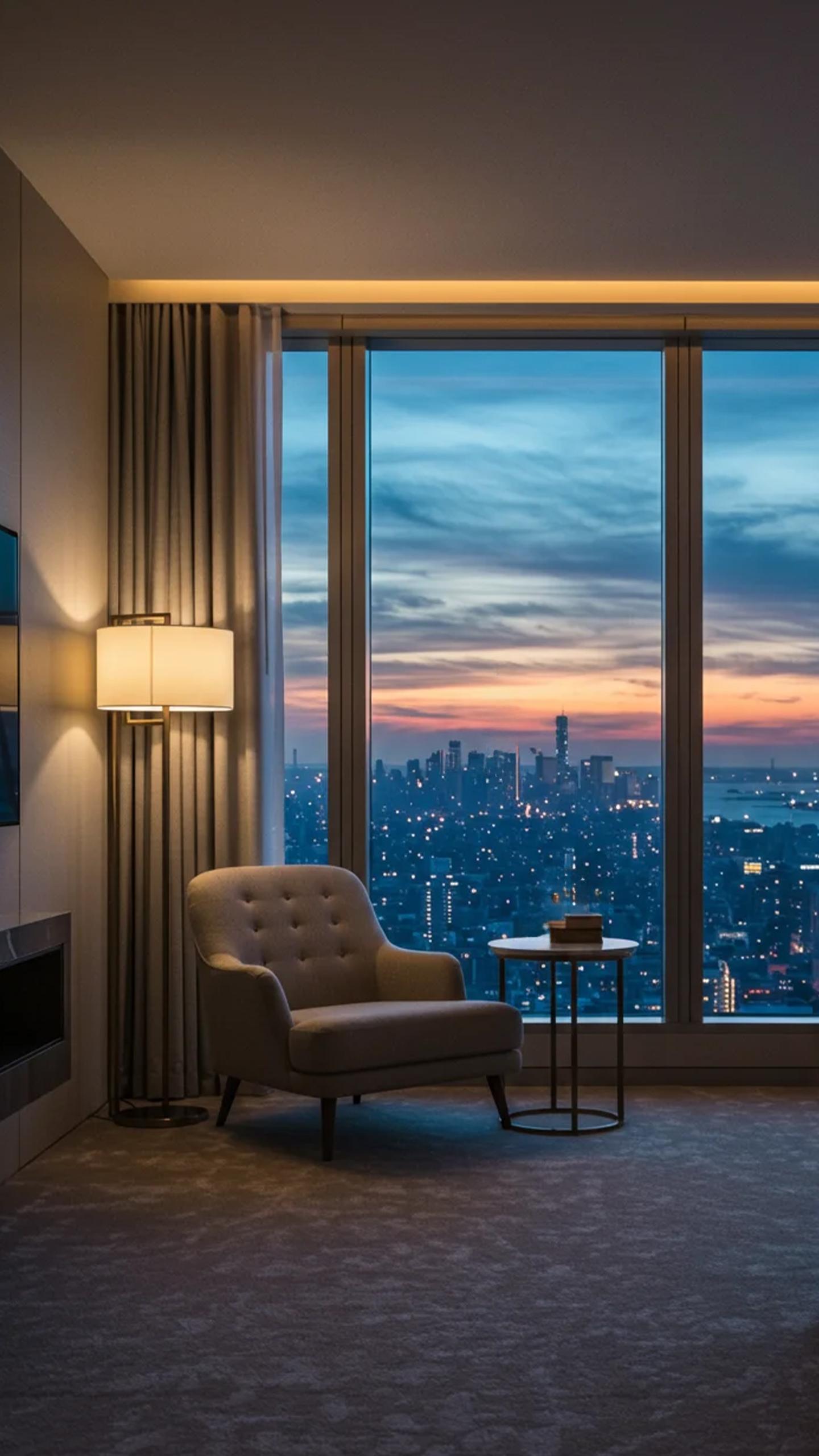
overhauls. Among the notable additions is Hotel Barrière Fouquet’s, the first U.S. venture of the French Barrière Group, which brings a Parisian ambiance to TriBeCa. Casa Cipriani, a membership club and boutique hotel in Lower Manhattan, has also garnered attention since its 2022 opening, offering a high-end Italian hospitality experience. The Waldorf Astoria, a historic landmark, completed an eight-year, $2 billion renovation, re-establishing itself as a premier luxury destination. Other new or revitalized properties include The Fifth Avenue Hotel, The Surrey, A Corinthia Hotel, The Ritz-Carlton NoMad, and The Wall Street Hotel, all contributing to a heightened luxury accommodation landscape in the city.
Why It's Important?
This wave of luxury hotel development and renovation signifies a robust investment in New York City's hospitality sector, reflecting confidence in its enduring appeal as a global travel destination. The introduction of high-end properties caters to affluent travelers and business visitors, potentially boosting tourism revenue and creating numerous jobs in the service industry. For the city's economy, this trend can lead to increased tax contributions from hotel operations and related businesses, such as restaurants, retail, and entertainment. The enhanced competition among luxury hotels may also drive innovation in guest services and amenities, ultimately benefiting consumers. However, the focus on luxury accommodations could also exacerbate concerns about affordability and accessibility for a broader range of visitors, potentially shifting the city's tourism demographic.
What's Next?
The continued expansion of luxury hotels in New York City suggests a sustained focus on high-end tourism and hospitality. Future developments may include further international brands entering the U.S. market, particularly in key urban centers. The success of these new ventures will likely influence investment decisions for other developers and hospitality groups, potentially leading to more projects in the pipeline. The city's ability to maintain its appeal to diverse traveler segments while catering to the luxury market will be a key factor in the long-term sustainability of this trend. Additionally, the operational performance of these newly opened and renovated hotels will be closely watched as indicators of the broader economic health of the tourism sector.
Beyond the Headlines
The proliferation of luxury hotels in New York City reflects broader trends in global wealth and travel preferences, where experiential and high-quality accommodations are increasingly sought after. This development could subtly reshape the city's cultural and social fabric, as these establishments often become hubs for exclusive events, fine dining, and social gatherings, attracting a specific demographic. There's also an underlying narrative about the evolving identity of New York City, balancing its historical character with modern luxury and global influences. The emphasis on unique design, personalized service, and curated experiences within these hotels points to a shift in what constitutes 'luxury' in the contemporary travel market, moving beyond mere opulence to encompass authenticity and bespoke offerings.