



What's Happening?
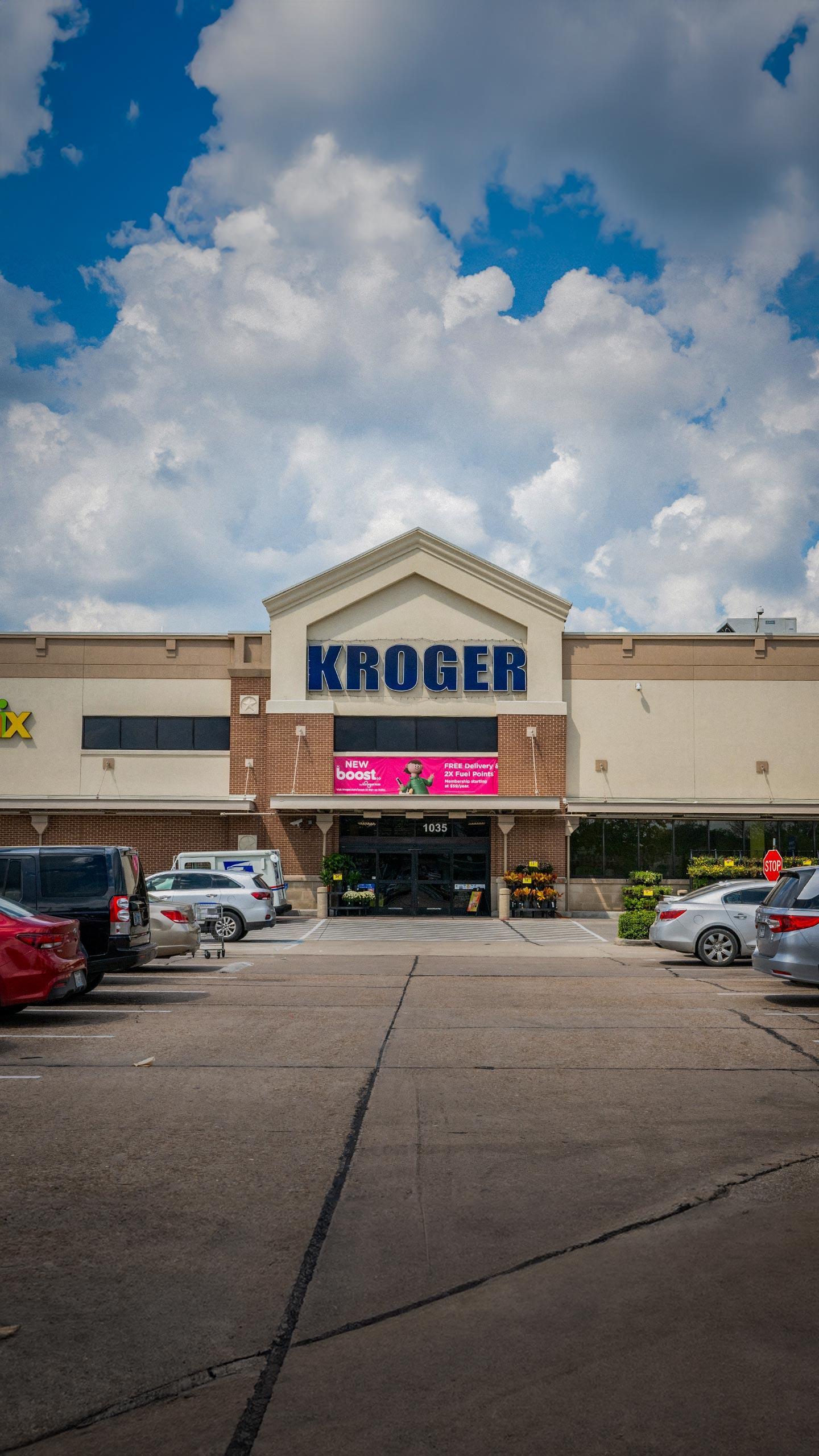
Kroger is under scrutiny following a report by CRFB indicating that its private-label baby food, sold in Harris Teeter stores, contained lead levels exceeding FDA guidance. The investigation alleges that despite
Maryland and Virginia laws aimed at reducing heavy metals in baby products, Kroger's disclosures understated the actual tested lead levels. Consumer advocates are now calling for more stringent quality controls and clearer labeling on these products. This issue directly challenges Kroger's business strategy, which emphasizes cost efficiency, private-label expansion, and health-focused offerings. The report suggests that the balance between offering low-cost, high-margin own brands and maintaining consumer trust is at risk due to these findings. The baby food quality concern impacts both Kroger's private label brand and its broader grocery operations, highlighting product safety controls as a critical aspect of managing reputational and regulatory risks across its consumer channels.
Why It's Important?
This development is significant because it directly impacts consumer trust, particularly in a sensitive product category like baby food. For Kroger, a retailer that positions itself as health and value-focused, questions about lead in its baby food can erode the 'softer side' of its brand thesis, making it harder to pass through price increases compared to competitors like Walmart or Target. The controversy could also lead to increased regulatory pressure from state authorities or federal agencies, potentially requiring tighter testing or labeling standards. Such measures would necessitate additional spending on quality controls for Kroger's 'Our Brands,' which could compete with its existing cost efficiency programs that investors are relying on for steady earnings. This situation underscores the critical importance of product safety and transparency for large food and drug retailers, especially when dealing with private-label products that are central to their growth strategies.
What's Next?
In the immediate future, Kroger may face increased pressure from consumer advocacy groups and potentially regulatory bodies to address the reported lead levels in its baby food. This could lead to internal reviews of its quality control processes for private-label products and a re-evaluation of its disclosure practices. Investors will likely be watching closely to see how Kroger responds, as any significant increase in compliance costs or a sustained hit to consumer trust could impact its financial performance and stock valuation. The broader consumer staples sector may also experience heightened scrutiny regarding heavy metals in baby food, potentially prompting other retailers and manufacturers to review their own product safety protocols. Depending on the regulatory response, there could be calls for updated federal or state guidelines on heavy metal limits in baby food, leading to industry-wide changes in testing and labeling requirements.
Beyond the Headlines
Beyond the immediate concerns, this situation highlights a broader ethical and regulatory challenge within the food industry concerning private-label products. While private labels offer retailers higher margins and consumers lower prices, they also place a greater burden of responsibility on the retailer for product quality and safety. This incident could spark a wider debate about the adequacy of current FDA guidance on heavy metals in baby food and the effectiveness of state-level regulations. It also brings to the forefront the tension between cost-efficiency programs and the investment required for robust quality assurance, especially when dealing with vulnerable consumer groups. The long-term implications could include a shift in consumer purchasing habits towards brands perceived as safer, even if they are more expensive, and a potential re-evaluation by retailers of their private-label strategies to prioritize safety and transparency above all else.