
What's Happening?
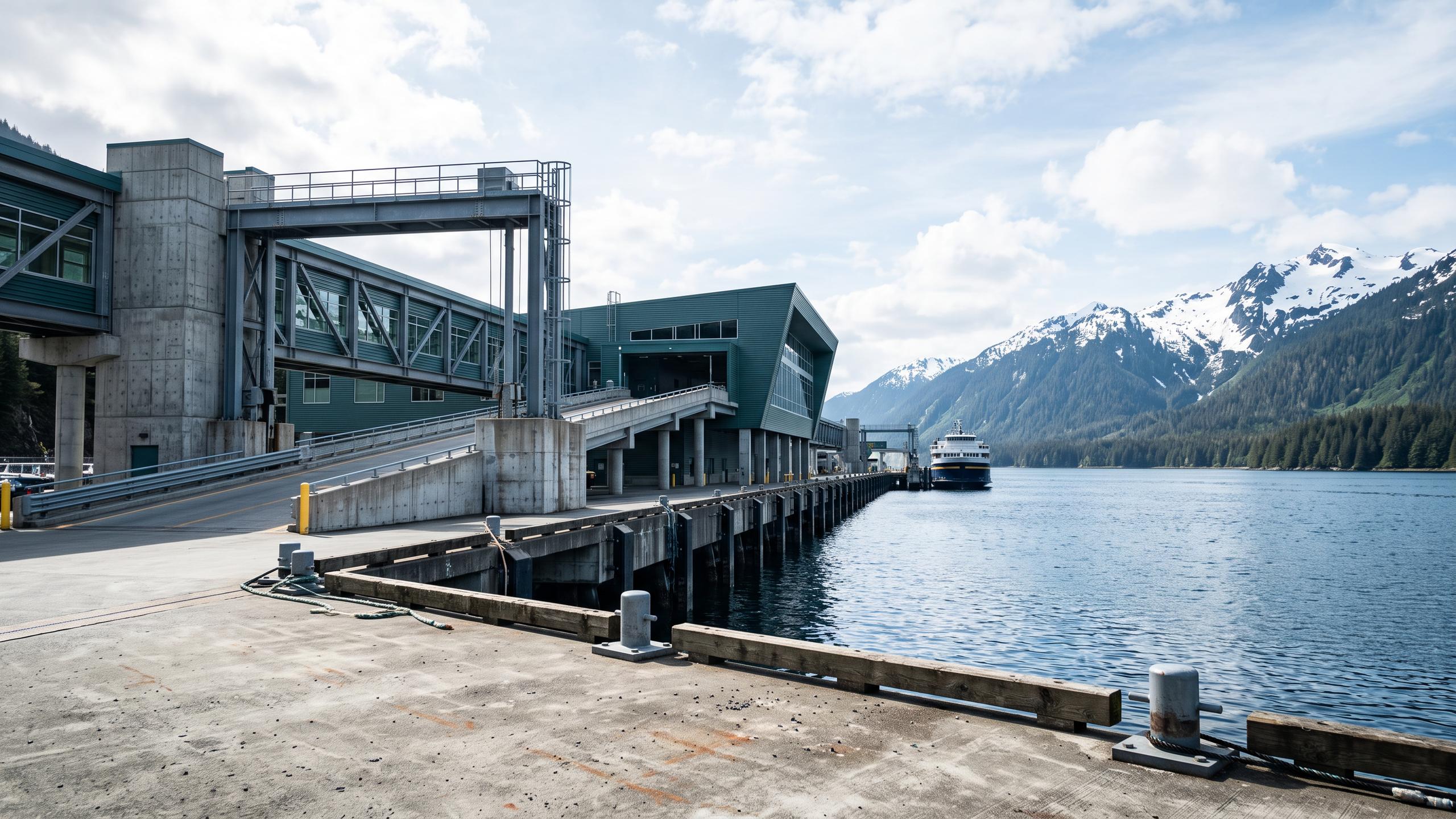
Goldbelt Inc. is publicly supporting the proposed Cascade Point Ferry Terminal project, emphasizing its potential to enhance transportation in Southeast Alaska, bolster Juneau's economy, and create future
opportunities. The project involves the development of a ferry terminal on Goldbelt ANCSA land, with a memorandum of understanding signed between Goldbelt and the Alaska Department of Transportation in 2023. Goldbelt asserts its commitment to protecting culturally important sites, noting that archaeological surveys conducted since 1991 have not identified a village or graveyard at the proposed terminal location. These surveys documented culturally modified trees and small shell middens, indicating traditional bark harvesting rather than permanent settlements. Goldbelt highlights that the terminal would shorten ferry routes by approximately 24 nautical miles, saving over three hours of daily operating time and about 117,000 gallons of fuel annually for the Alaska Marine Highway System. Additionally, Goldbelt has committed to providing a paid shuttle service connecting Cascade Point, Auke Bay, and the Mendenhall Valley to address increased road travel for passengers.
Why It's Important?
The proposed Cascade Point Ferry Terminal represents a significant infrastructure development for Southeast Alaska, with potential far-reaching economic and logistical impacts. For Juneau, the project promises job creation and an influx of construction dollars, contributing to local economic growth. The projected fuel and time savings for the Alaska Marine Highway System could lead to more efficient and cost-effective ferry services, which are crucial for connecting remote communities in the region. Furthermore, the project could lead to the Glacier Highway from Auke Bay to Cascade Point receiving National Highway System designation, unlocking additional federal maintenance funding for improved road safety and winter response. Goldbelt Inc.'s involvement as an Alaska Native Corporation underscores the dual responsibility of economic development and cultural preservation, aiming to create opportunities for its shareholders while honoring Tlingit heritage. The project also addresses the broader need for consistent and affordable transportation in the region.
What's Next?
The Cascade Point Ferry Terminal project will likely proceed with further planning and development phases, contingent on continued state support and funding. Goldbelt Inc. will continue its collaboration with the Alaska Department of Transportation to advance the project, including detailed engineering, environmental assessments, and securing necessary permits. The commitment to a paid shuttle service indicates ongoing efforts to mitigate potential negative impacts, such as increased road travel for passengers. Future steps will also involve community engagement to address any remaining concerns regarding cultural sites or environmental impacts. The project's progression will depend on legislative appropriations and the sustained political will to invest in Southeast Alaska's transportation infrastructure. The potential for National Highway System designation for the Glacier Highway will also be a key development to watch, as it would secure long-term federal funding for road maintenance.
Beyond the Headlines
The Cascade Point project delves into complex issues surrounding economic development, cultural heritage, and environmental stewardship in Alaska. Goldbelt Inc.'s proactive stance on archaeological surveys and commitment to cultural preservation sets a precedent for responsible development by Alaska Native Corporations, balancing economic imperatives with ancestral respect. The debate over the project also reflects broader tensions between modern infrastructure needs and the protection of traditional lands and resources. The emphasis on shortening ferry routes and saving fuel highlights the ongoing challenge of sustainable transportation in a vast and geographically complex region, where climate change impacts are increasingly felt. This project could serve as a model for how Indigenous corporations can drive economic growth while upholding their cultural responsibilities, potentially influencing future development projects across Alaska and other regions with significant Indigenous land ownership.