



What's Happening?
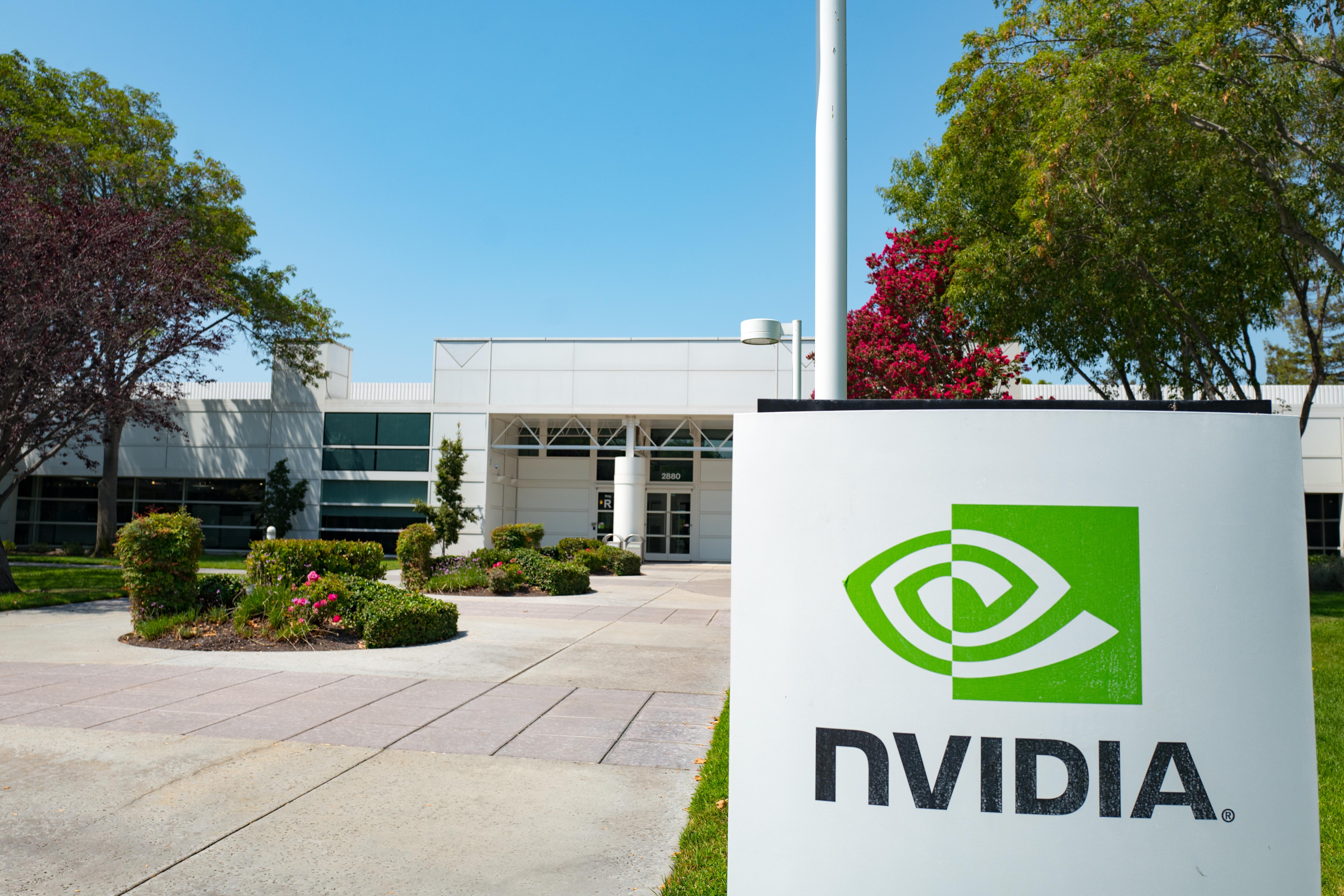
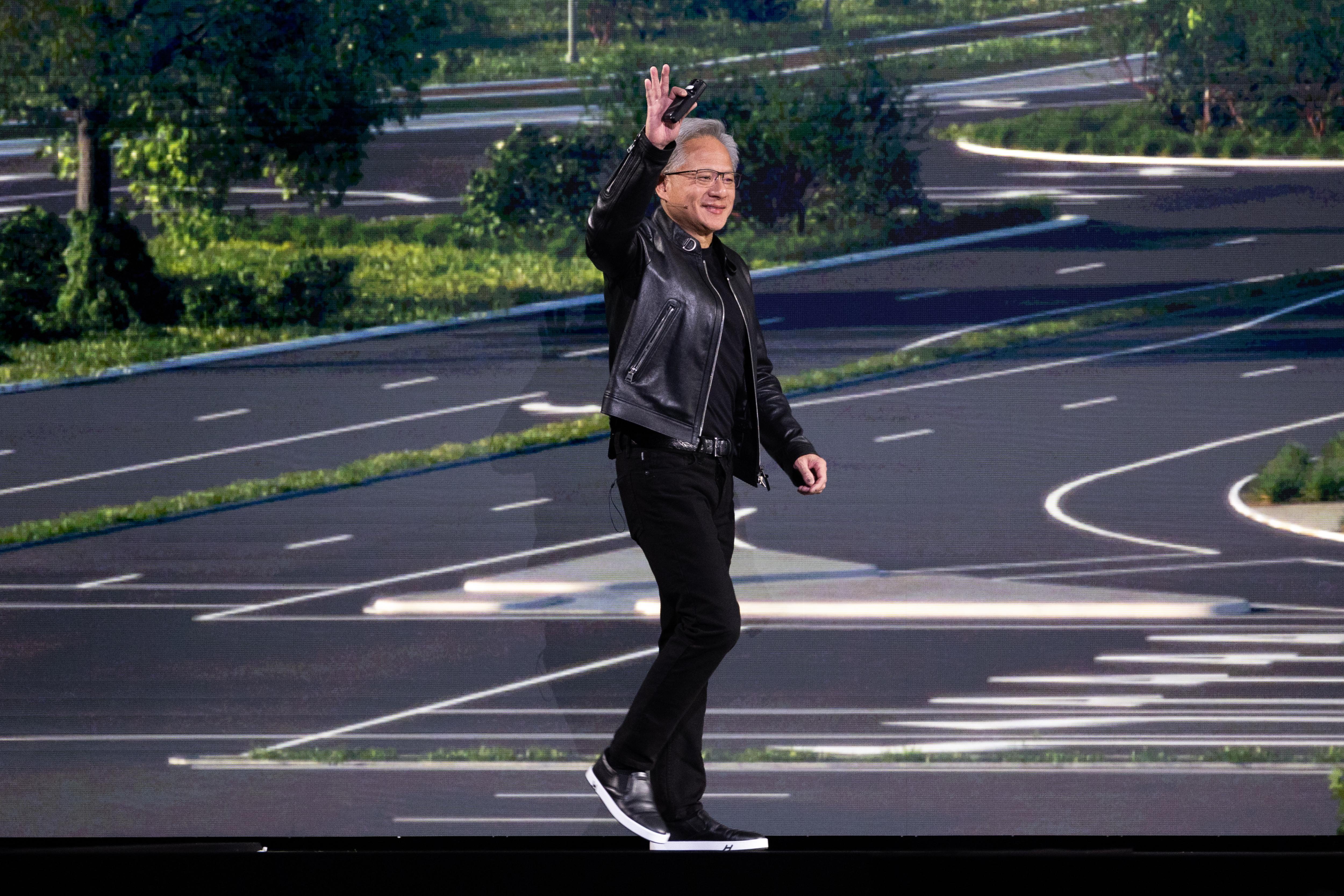
Jensen Huang, the former CEO of Nvidia, has resigned amidst revelations of extramarital affairs, including one with a suspected Chinese spy. This development has sparked speculation about the future of his and
Lori Huang's significant charitable giving in San Francisco. The couple, through their Jen-Hsun & Lori Huang Foundation, has been a major philanthropic force in the city, pledging $75 million to Vanderbilt University for a new art school and committing $5 million annually to the San Francisco Opera. The foundation's assets have grown substantially with Nvidia's success, making it one of the largest private foundations in the U.S. The potential for a divorce between Jensen and Lori Huang, who reside in California, could lead to a significant division of assets, potentially making Lori Huang one of the wealthiest women globally. Such a separation could also alter the leadership and charitable priorities of their foundation, although existing commitments would likely remain intact.
Why It's Important?
The uncertainty surrounding the Huangs' philanthropic future has significant implications for numerous San Francisco institutions that have come to rely on their substantial donations. Organizations like the San Francisco Opera and the new art college at Vanderbilt University, which is replacing the California College of the Arts campus, face potential shifts in funding. This situation highlights the broader vulnerability of major urban cultural and educational institutions that depend heavily on the generosity of a few wealthy individuals. A potential divorce could lead to a re-evaluation of charitable strategies, potentially redirecting funds or altering the scale of future donations. It also underscores the impact that the personal lives of major philanthropists can have on public and non-profit sectors, creating ripple effects across society and raising questions about the sustainability of philanthropy concentrated in a few hands.
What's Next?
The immediate future of the Jen-Hsun & Lori Huang Foundation's charitable giving in San Francisco remains uncertain. While existing commitments are expected to be honored, any potential divorce could lead to a restructuring of the foundation or a division of its assets, similar to the Bill and Melinda Gates Foundation's separation. Lori Huang could establish her own philanthropic endeavors, potentially mirroring MacKenzie Scott's approach after her divorce from Jeff Bezos. Institutions that have benefited from the Huangs' generosity will likely seek to maintain good relationships with both parties to secure future support. The situation may also prompt a broader discussion within San Francisco's philanthropic community about diversifying funding sources and reducing reliance on a limited number of major donors, especially as other billionaires like Brian Chesky and AI giant Anthropic have recently made significant pledges to the city.
Beyond the Headlines
This situation delves into the complex interplay between personal wealth, corporate success, and philanthropic impact. The revelations surrounding Jensen Huang's personal life and his resignation from Nvidia underscore how the private affairs of influential figures can have far-reaching public consequences, particularly in the realm of large-scale philanthropy. It also brings to light the structure of donor-advised funds, like the GeForce Fund set up by the Huangs, where the ultimate grantees do not have to be disclosed, raising questions about transparency and donor influence. The potential for Lori Huang to become a major independent philanthropist could reshape the landscape of charitable giving in San Francisco and beyond, potentially leading to new philanthropic priorities and approaches. This event also highlights the ethical considerations surrounding corporate leadership and national security, especially in critical technology sectors like AI.