


What's Happening?
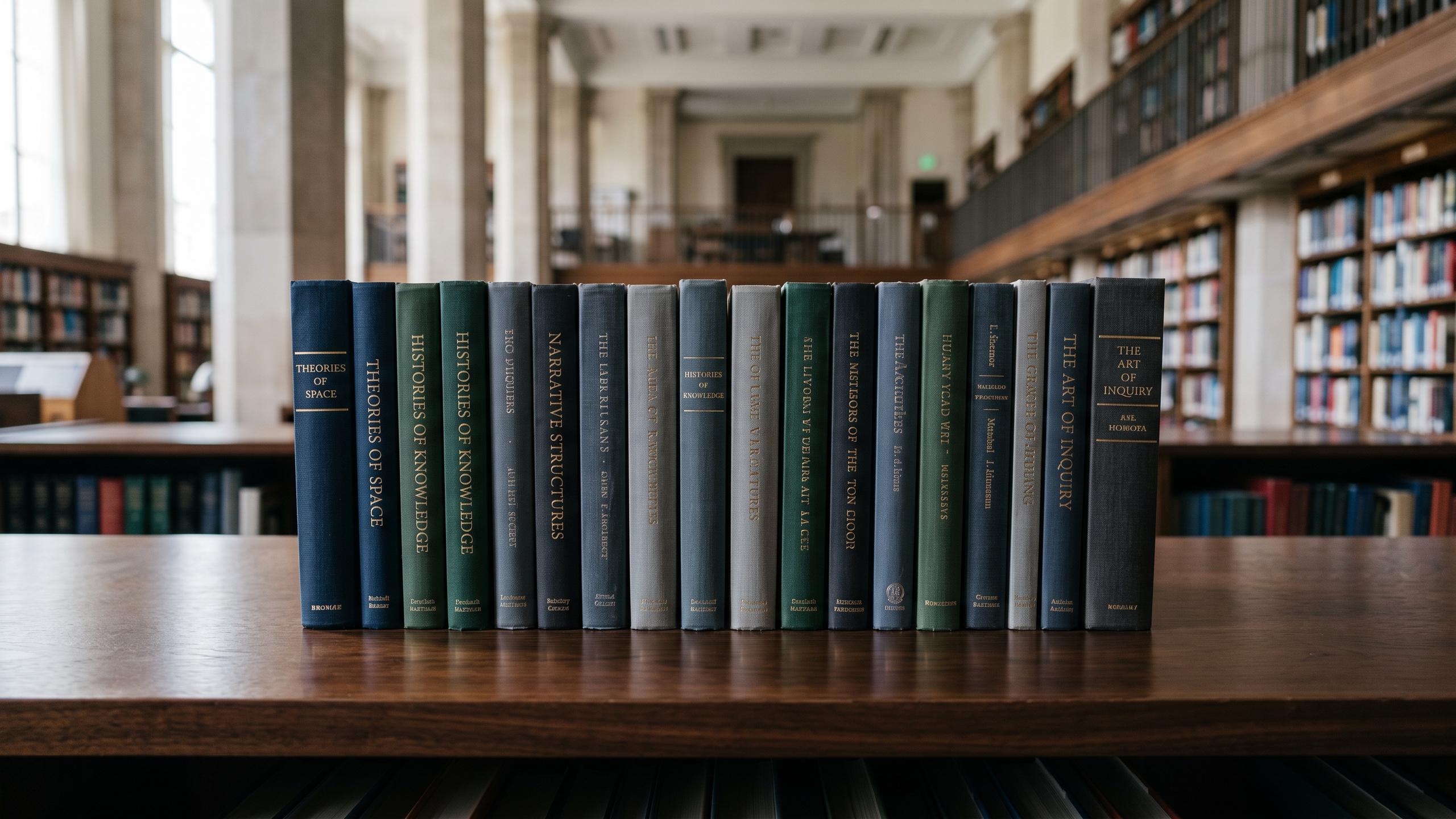
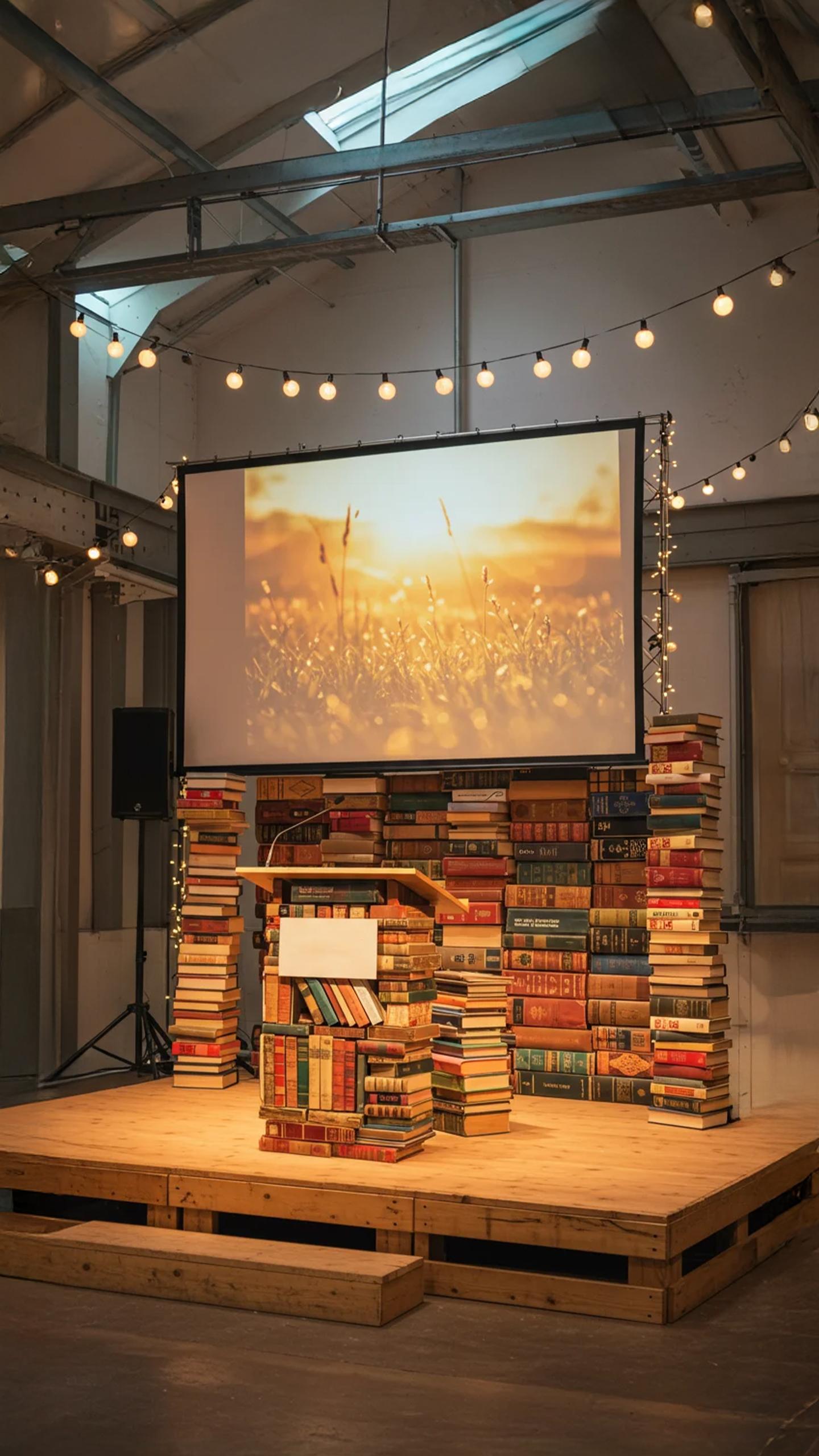
A marathon reading of Robert Caro's Pulitzer Prize-winning biography, 'The Power Broker,' is currently underway in Gowanus, Brooklyn. The event, organized by Brad Vogel, involves continuous, round-the-clock
readings of the 1,300-page book, which details how Robert Moses shaped New York City's infrastructure over the 20th century. Participants read 10-minute segments, with volunteer teams managing the flow of readers. The event is estimated to last approximately 65 to 66 hours. Attendees and organizers highlight the book's deep insights into power, community, displacement, democracy, and hubris, connecting its themes to both New York's history and contemporary political times. The reading aims to bring new perspectives to the text through diverse interpretations from readers across New York City.
Why It's Important?
This marathon reading underscores the enduring cultural and historical significance of 'The Power Broker' in understanding urban development and political power in the U.S. The book's detailed account of Robert Moses's influence on New York City's infrastructure provides critical context for current debates on urban planning, public works, and the impact of powerful individuals on communities. The event itself fosters community engagement with literature and history, drawing attention to the meticulous journalistic effort behind Caro's work, including the human impact of Moses's decisions, such as the displacement caused by the Cross Bronx Expressway. It highlights how historical narratives can resonate with contemporary political and social issues, offering lessons on governance and the exercise of authority.
What's Next?
The marathon reading is expected to continue for several more hours, with its exact conclusion time remaining an element of anticipation for participants. Following the event, discussions and reflections on the book's themes and the unique experience of a collective, continuous reading are likely to emerge. The event may inspire similar community-led literary initiatives or further public discourse on Robert Moses's legacy and the broader implications of urban planning decisions. The ongoing engagement with 'The Power Broker' reinforces its status as a seminal work that continues to inform and provoke thought on American history and political dynamics.
Beyond the Headlines
The marathon reading of 'The Power Broker' transcends a mere literary event, serving as a powerful commentary on the nature of historical inquiry and public memory. In an era dominated by digital information and AI, the emphasis on a 'human and personal way' of tracking and understanding complex narratives, as exemplified by Caro's research and the communal reading, highlights the irreplaceable value of deep, investigative journalism. The event also subtly critiques the rapid pace of modern information consumption by dedicating days to a single, extensive text, encouraging a more deliberate and immersive engagement with history. It underscores the ethical dimensions of urban development, reminding audiences of the human cost behind large-scale infrastructure projects and the arbitrary decisions that can ruin lives, as detailed in the book's account of the Cross Bronx Expressway.