
What's Happening?
Wisconsin's economic growth is being constrained by persistent labor shortages and a comparatively weak information sector, according to a new report from BMO Financial Group. Michael Gregory, deputy chief
economist for BMO, noted that the state's real GDP growth rose by 1.2% over the year ending in the second quarter, which is a full percentage point below the national rate and places Wisconsin 33rd among U.S. states. This underperformance has been a long-standing issue, with the state's annual growth averaging 0.8 percentage points below the national level since 2006. While sectors like healthcare and social assistance (6% year-over-year growth) and durable goods manufacturing (around 4% growth) have contributed positively, the information sector in Wisconsin accounts for a smaller share of economic activity compared to faster-growing states and has not kept pace with the sector's nationwide expansion. The state's unemployment rate in September held at 3.2%, which is lower than the national rate of 4.2%, but an aging population and national immigration changes are further straining the labor pool. Despite these challenges, Wisconsin added 13,000 nonfarm jobs over the past year, a 0.4% growth in line with the national pace.
Why It's Important?
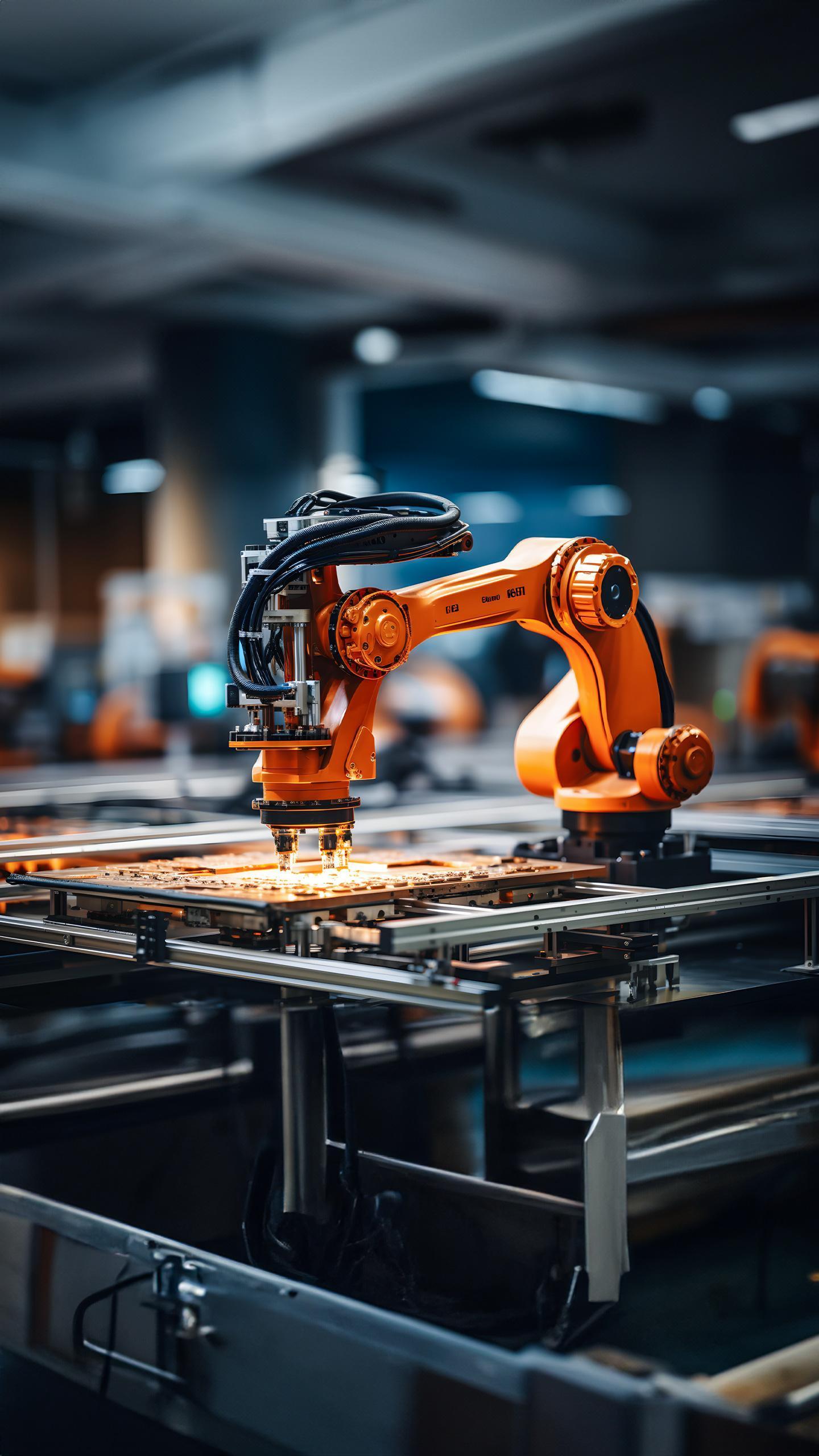
The report highlights a critical challenge for Wisconsin's economy: a structural labor shortage that limits its overall growth potential. This situation forces businesses to increase spending on automation and other technologies to boost productivity, indicating a shift in capital expenditure strategies. While this investment in technology can lead to long-term efficiency gains, it also reflects the immediate pressure businesses face due to workforce availability. The underperformance of Wisconsin's information sector is also significant, as this sector is often a key driver of innovation and high-wage job creation in modern economies. The state's inability to fully participate in the nationwide expansion of this sector could hinder its competitiveness and future economic diversification. For residents, a slower growth rate could translate to fewer opportunities for wage increases and overall economic prosperity compared to other states. The reliance on automation also suggests a changing job landscape, potentially impacting the types of skills in demand within the state.
What's Next?
Looking ahead, labor availability is expected to remain Wisconsin's most significant structural challenge. Businesses in the state will likely continue to increase capital expenditures on automation and technology to mitigate the impact of labor shortages and meet demand, positioning themselves for deliberate acceleration into 2027. Companies are also focusing on strengthening their balance sheets and improving debt ratios to pursue growth opportunities despite the scarce labor. Additionally, rising energy costs, including fuel and other key inputs, are becoming a growing concern for businesses as they manage increasing costs across their supply chains. These factors suggest that Wisconsin's economic trajectory will be heavily influenced by how effectively businesses and policymakers address the ongoing labor constraints and manage rising operational costs. The state may need to explore strategies to attract and retain a younger workforce and adapt to evolving immigration policies to alleviate some of the pressure on its labor pool.
Beyond the Headlines
The persistent economic underperformance of Wisconsin relative to the national average, largely due to labor shortages and a lagging information sector, points to deeper demographic and structural issues. The state's aging population is a demographic challenge that many developed regions face, leading to a shrinking workforce and increased dependency ratios. This trend has long-term implications for social services, tax revenues, and overall economic dynamism. Furthermore, the 'relative weakness' in the information sector suggests a potential gap in fostering a robust tech ecosystem, which is crucial for future economic resilience and innovation. This could indicate a need for targeted investments in education, infrastructure, and incentives to attract and grow technology companies. The increased reliance on automation, while a practical solution to labor shortages, also raises questions about the future of work and the need for workforce retraining programs to ensure that the labor force can adapt to new technological demands. Addressing these underlying issues will be critical for Wisconsin to achieve sustainable and equitable economic growth.