


What's Happening?
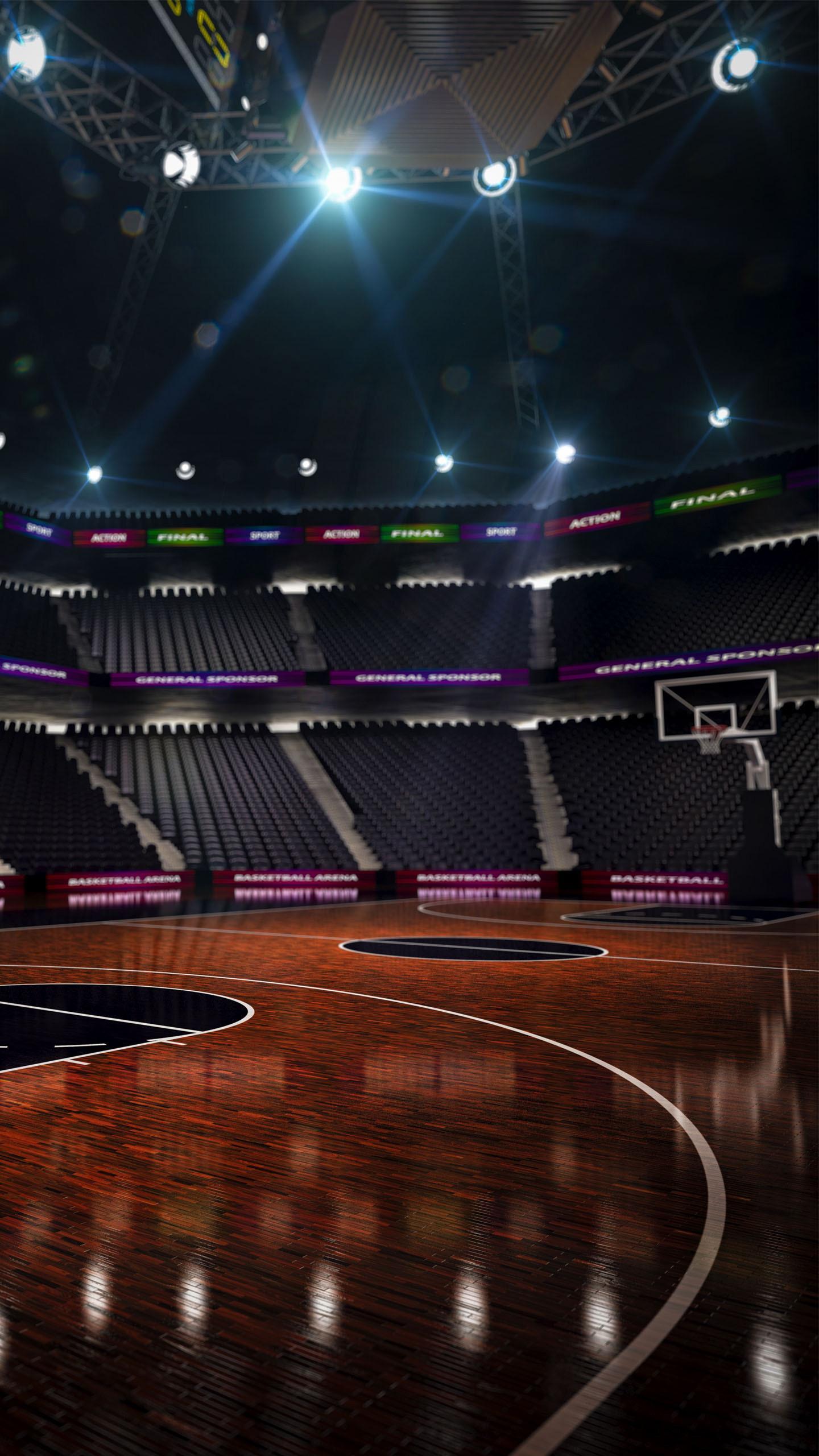
Clark County Commissioner Tick Segerblom is publicly advocating for the construction of a new NBA arena on the north end of the Las Vegas Strip. Segerblom, whose district E encompasses this area, argues
that existing major sports venues like T-Mobile Arena and Allegiant Stadium are concentrated on the south end of the Strip. He believes a new arena in the north could serve as a significant economic generator for a section of the Strip that could benefit from increased development and activity. This stance is notable as Clark County commissioners typically do not engage publicly in sports development discussions beyond rubber-stamping projects. Several potential sites on the north end have been identified, including a 42-acre plot near Resorts World, the LVXP project on the former Wet n Wild site, an empty 38-acre site across from Wynn, and an Area 15 entertainment concept within the city of Las Vegas.
Why It's Important?
The push for an NBA arena on the north end of the Las Vegas Strip carries significant economic and urban development implications. Placing a major sports venue in this area could stimulate substantial investment, create jobs, and drive tourism to a part of the Strip that currently sees less foot traffic and development compared to its southern counterpart. This initiative could diversify the economic landscape of Las Vegas, reducing reliance on existing entertainment hubs and fostering new growth corridors. For potential NBA expansion teams, the location of a new arena is a critical factor, influencing fan accessibility, infrastructure development, and overall market appeal. The debate between north and south Strip locations highlights competing visions for Las Vegas's future growth and resource allocation, with potential long-term impacts on property values, traffic patterns, and local business ecosystems.
What's Next?
The discussion around a new NBA arena in Las Vegas is expected to intensify as the NBA considers awarding an expansion team by 2029. Several ownership groups, including the Lauries/Durban, Bill Foley/Jerry Colangelo, and Mark Lasry/Steve Apostolopoulos groups, are vying for a new franchise in the city. The advocacy from Commissioner Segerblom could lend political weight to north-end proposals, potentially influencing developers and investors. Further feasibility studies, environmental impact assessments, and public-private partnership discussions will likely follow. The ultimate decision on an arena location will depend on a complex interplay of economic incentives, land availability, infrastructure readiness, and political will, with significant input from both Clark County and potential NBA ownership groups. The coming years will see continued jockeying for position among various development proposals.
Beyond the Headlines
The debate over the NBA arena's location in Las Vegas reflects a broader urban planning challenge: how to strategically distribute major attractions to maximize economic benefit and manage urban sprawl. By advocating for the north end, Commissioner Segerblom is not just pushing for a sports venue but also for a rebalancing of economic development across the Strip. This could lead to a more decentralized entertainment district, potentially alleviating congestion in the south and fostering new micro-economies in the north. The decision will also set a precedent for future large-scale developments in Las Vegas, influencing how public officials engage with private developers on projects that reshape the city's iconic landscape. It underscores the ongoing evolution of Las Vegas from a gambling-centric destination to a diversified sports and entertainment hub, with significant implications for its long-term urban identity and economic resilience.