


What's Happening?
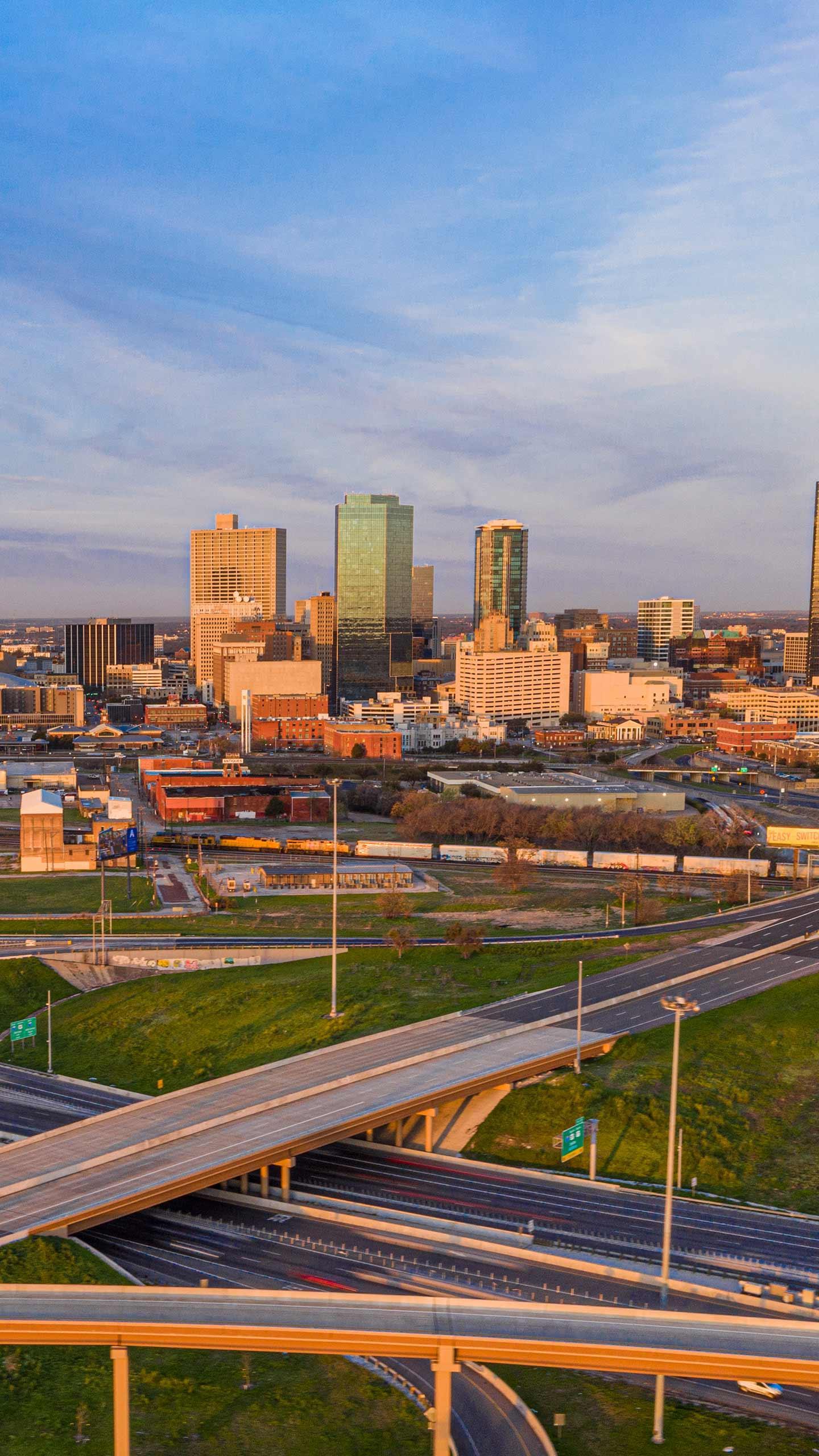
The southern portion of downtown Fort Worth is undergoing a significant economic revitalization, marked by numerous new projects and increased business activity. According to Andy Taft, president of Downtown
Fort Worth Inc., this area is experiencing its busiest period since the 19th-century 'Hell's Half Acre' era. Key drivers of this resurgence include the expansion of Texas A&M-Fort Worth and a substantial $701 million transformation of the Fort Worth Convention Center. Recent developments include the opening of Beverly's Downtown restaurant, the sale of a building to an affiliate of The Federalist Society, and the impending reopening of the Sandman Signature Fort Worth Downtown Hotel, nearly three years after an explosion. Texas A&M University System officially opened its $240 million Law & Education Building in August and broke ground on an 11-story Research & Innovation Building. These anchor projects are attracting further investment, including additional Texas A&M buildings, projects in the Switchyard Innovation District, and a new hotel as part of the convention center upgrades. Organizations like TechFW are also establishing a presence in the area, anticipating future growth.
Why It's Important?
This economic boom in downtown Fort Worth signifies a major urban renewal trend with broad implications for the city's future. The substantial investments by Texas A&M and the city in the Convention Center are creating a powerful magnet for businesses, residents, and visitors. This revitalization is expected to generate jobs, increase property values, and diversify the local economy. The influx of educational and convention-related traffic will support a wide range of businesses, from hospitality and retail to legal and technology sectors. The development of new office spaces, condominiums, and retail outlets will transform the urban landscape, making the area more vibrant and attractive. This growth could also serve as a model for other U.S. cities looking to re-energize their downtowns, demonstrating how strategic anchor institutions and public-private partnerships can drive significant economic momentum. The increased activity will benefit local businesses and residents through enhanced services and opportunities, while potentially attracting further out-of-state investment.
What's Next?
Foreseeable next steps include the continued construction and completion of the Texas A&M Research & Innovation Building and further phases of the Fort Worth Convention Center's transformation. More residential developments are anticipated in the area, as highlighted by Andy Taft, to support the growing workforce and population drawn to the revitalized downtown. The federal government has also put the Fritz G. Lanham Federal Building on the market, which could lead to another significant redevelopment project. Additionally, the Farm & Home Savings building is set to become a Fort Worth outpost of Al Biernat's, a renowned Dallas steakhouse, indicating continued interest from high-profile businesses. Stakeholders such as local government, developers, and educational institutions will likely continue to collaborate to sustain this growth, with potential for further announcements regarding new projects and businesses establishing themselves in the southern downtown sector.
Beyond the Headlines
The transformation of Fort Worth's southern downtown sector represents more than just economic development; it's a cultural and historical reclamation. The area, once known as 'Hell's Half Acre,' is shedding its past notoriety to become a hub of education, business, and entertainment. This shift reflects a broader trend in urban planning where cities leverage institutional anchors like universities and convention centers to drive comprehensive revitalization. The ethical implications involve ensuring that this rapid development benefits all segments of the Fort Worth community, including long-term residents and small businesses, and that it doesn't lead to displacement or increased inequality. The long-term shift could establish Fort Worth as a leading example of successful urban redevelopment, attracting talent and investment while fostering a dynamic urban environment. The integration of historical buildings, like the W.T. Waggoner Building, into modern developments also highlights a commitment to preserving the city's heritage amidst progress.