
What's Happening?
The Lawrence City Commission is scheduled to consider approving a tax incentive district for a new 5-acre development in northwestern Lawrence. The project, proposed by Catalyst Property Group, is valued
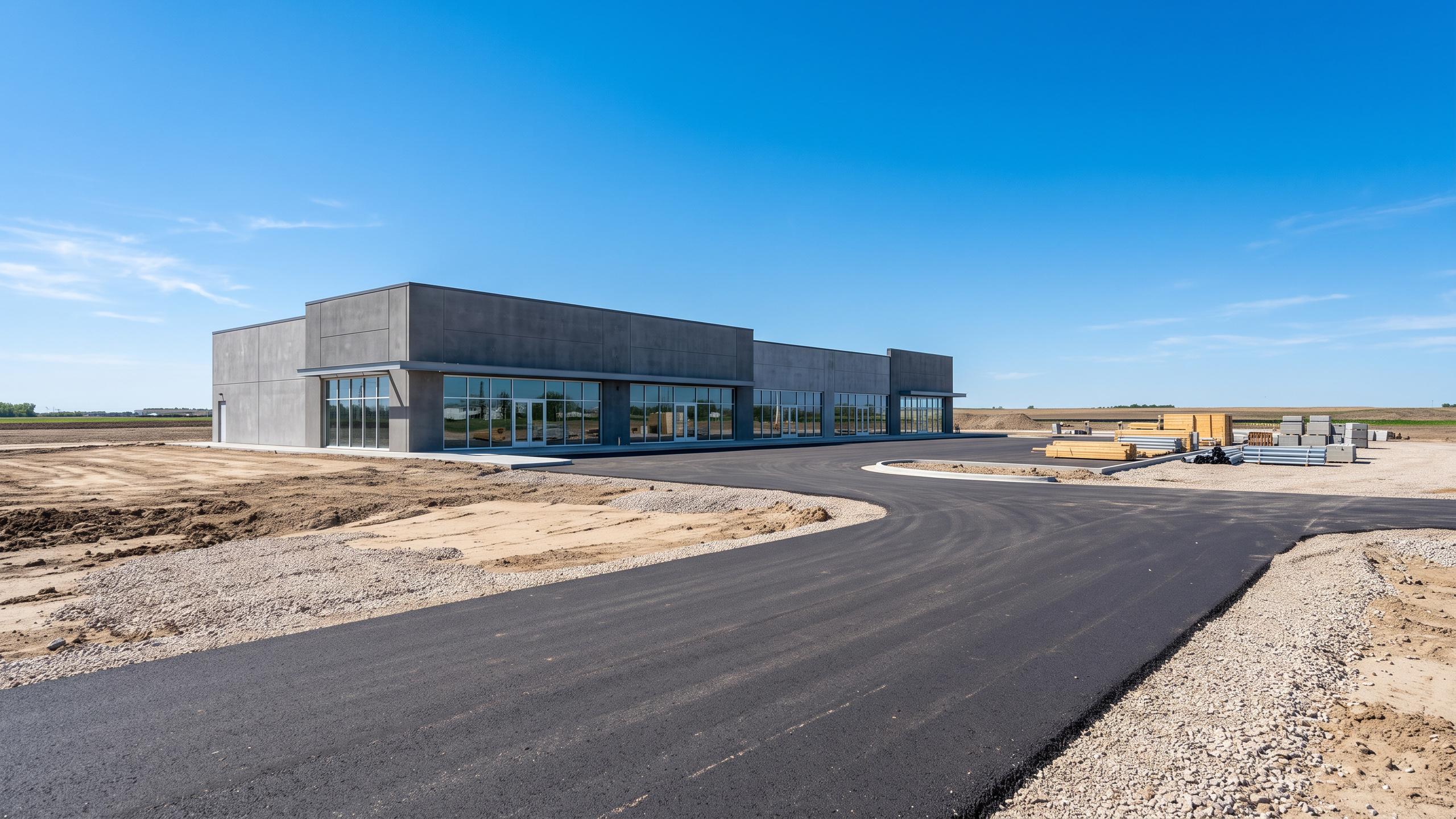
at approximately $5.4 million and is planned for the northeast corner of Sixth Street and George Williams Way. It will feature a new Aldi grocery store and another retail business. Developers are requesting the creation of a community improvement district (CID), which would impose an additional 1% sales tax on purchases within the development. This additional revenue would be used to reimburse the developers for eligible project costs, including the construction of a 20,000-square-foot building for Aldi, an 8,000-square-foot building for another retailer, land grading, and utility extensions. The city is recommending a reimbursement of about $1.4 million of eligible costs, with a maximum of approximately $2.9 million directed from the CID tax over a term of up to 22 years. A public hearing will precede the commission's vote.
Why It's Important?
The Lawrence City Commission's decision on the tax incentives for the new Aldi development carries significant implications for local economic development and public finance. Approving a community improvement district (CID) means that consumers shopping at the new development will pay an additional sales tax, which will then be used to subsidize the project's costs. This mechanism aims to attract new businesses and stimulate growth, but it also raises questions about the fairness of tax burdens and the direct benefits to the wider community versus the developers. The project's potential to bring a new grocery option to northwestern Lawrence could improve access to food for residents in that area, while the creation of new retail spaces could generate jobs and increase local tax revenue in the long term. However, the use of public funds through tax incentives is often a point of contention, with debates centering on whether such incentives are truly necessary to make projects feasible or if they merely boost developer profits at taxpayer expense.
What's Next?
The Lawrence City Commission will hold a public hearing on Tuesday, November 17, at 5:45 p.m. at City Hall, where residents can voice their opinions on the proposed tax incentives. Following the hearing, the commission will vote on whether to approve the community improvement district. If approved, Catalyst Property Group will proceed with financing the construction costs upfront, with reimbursements from the CID funds occurring later. The development will then move forward with construction, eventually bringing a new Aldi grocery store and another retail business to northwestern Lawrence. The decision will set a precedent for future development projects seeking similar tax incentives in the city, potentially influencing how Lawrence balances economic growth with fiscal responsibility and community benefit.
Beyond the Headlines
The debate over tax incentives for retail developments like the proposed Aldi store in Lawrence touches on broader economic development philosophies. Cities often use such incentives to compete for businesses, aiming to create jobs, expand the tax base, and provide services to residents. However, critics argue that these incentives can lead to a 'race to the bottom' among municipalities, where cities offer increasingly generous tax breaks that may not always yield a net positive return for the community. The independent financial adviser's finding that the project would not support a market-level return without incentives highlights the complex interplay between developer profitability, market conditions, and public investment. This scenario raises questions about the true economic viability of certain projects and whether public subsidies are creating artificial markets or genuinely addressing market failures. The long-term impact on local businesses, property values, and the overall economic health of Lawrence will be closely watched, as the city navigates the balance between attracting new development and ensuring equitable growth.