



What's Happening?
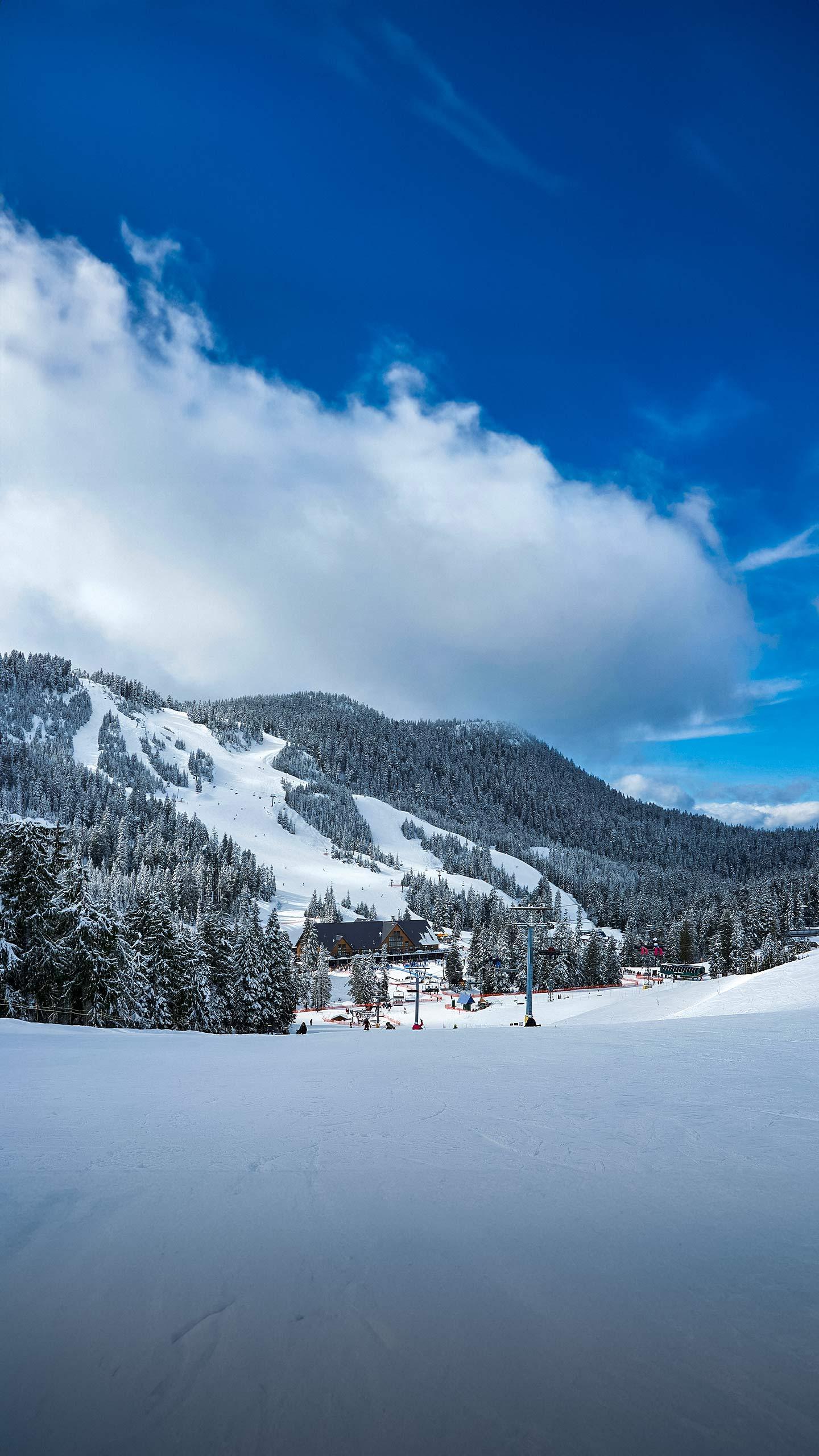
The Blue Ridge Mountains in North Carolina are gaining recognition as a significant winter wonderland, offering diverse outdoor activities beyond their well-known summer and fall attractions. The region,
particularly the High Country around Boone, features three major ski areas: Sugar Mountain Resort, Beech Mountain Resort, and Appalachian Ski Mountain. Sugar Mountain is the largest, boasting 125 skiable acres and a 1,200-foot vertical drop. Beech Mountain, the highest resort in the eastern United States, provides 17 trails and an on-site brewery. Appalachian Ski Mountain, the oldest in the region, is known for its community events and consistent snowmaking capabilities, offering night skiing until 10 p.m. most days and 'Midnight Blast' on weekends. Beyond skiing, visitors can enjoy tubing parks, ice skating, hiking, and snowshoeing in areas like Moses Cone Memorial Park and Elk Knob State Park. The town of Boone complements these activities with a vibrant après-ski scene, featuring local wines, craft brews, and farm-to-table dining.
Why It's Important?
The rise of the Blue Ridge Mountains as a winter sports hub signifies a notable shift in regional tourism and economic development for North Carolina. This development diversifies the state's tourism offerings, traditionally focused on coastal and historical sites, by tapping into the lucrative winter sports market. For local economies in the High Country, this means increased revenue from lodging, dining, retail, and recreational services during what might otherwise be a slower season. The emphasis on reliable snowmaking ensures consistent conditions, attracting a broader range of visitors from across the Southeast and beyond, thereby extending the tourism season. The availability of diverse activities, from family-friendly tubing to challenging ski trails and backcountry adventures, caters to various demographics, enhancing the region's appeal as a year-round destination. This growth also supports local businesses, creates employment opportunities, and strengthens the regional brand as an outdoor adventure destination.
What's Next?
The continued promotion and development of winter sports infrastructure in the Blue Ridge Mountains are expected. Resorts will likely invest further in snowmaking technology, trail expansion, and guest amenities to accommodate growing demand. Marketing efforts, such as those by Explore Boone, will continue to highlight the region's winter attractions to a wider audience. Local businesses in Boone and surrounding areas will likely see sustained growth, potentially leading to new establishments catering to tourists and residents. There may also be an increased focus on sustainable tourism practices to manage the environmental impact of growing visitor numbers. The success of these winter offerings could encourage further investment in other outdoor adventure segments, solidifying the Blue Ridge Mountains' reputation as a premier destination for year-round recreation.
Beyond the Headlines
The transformation of the Blue Ridge Mountains into a prominent winter destination reflects broader trends in U.S. domestic tourism, where travelers increasingly seek diverse, accessible outdoor experiences. This shift also highlights the economic resilience of mountain communities, which are leveraging natural assets to create sustainable tourism economies. The blend of traditional outdoor activities with modern amenities, such as on-site breweries and sophisticated dining, caters to evolving consumer preferences for integrated travel experiences. Furthermore, the emphasis on reliable snowmaking underscores the impact of climate variability on the ski industry, pushing resorts to invest in technology to ensure operational consistency. This development could also inspire other regions with similar natural landscapes to explore and develop their potential for year-round tourism, contributing to a more diversified national tourism landscape.