



What's Happening?
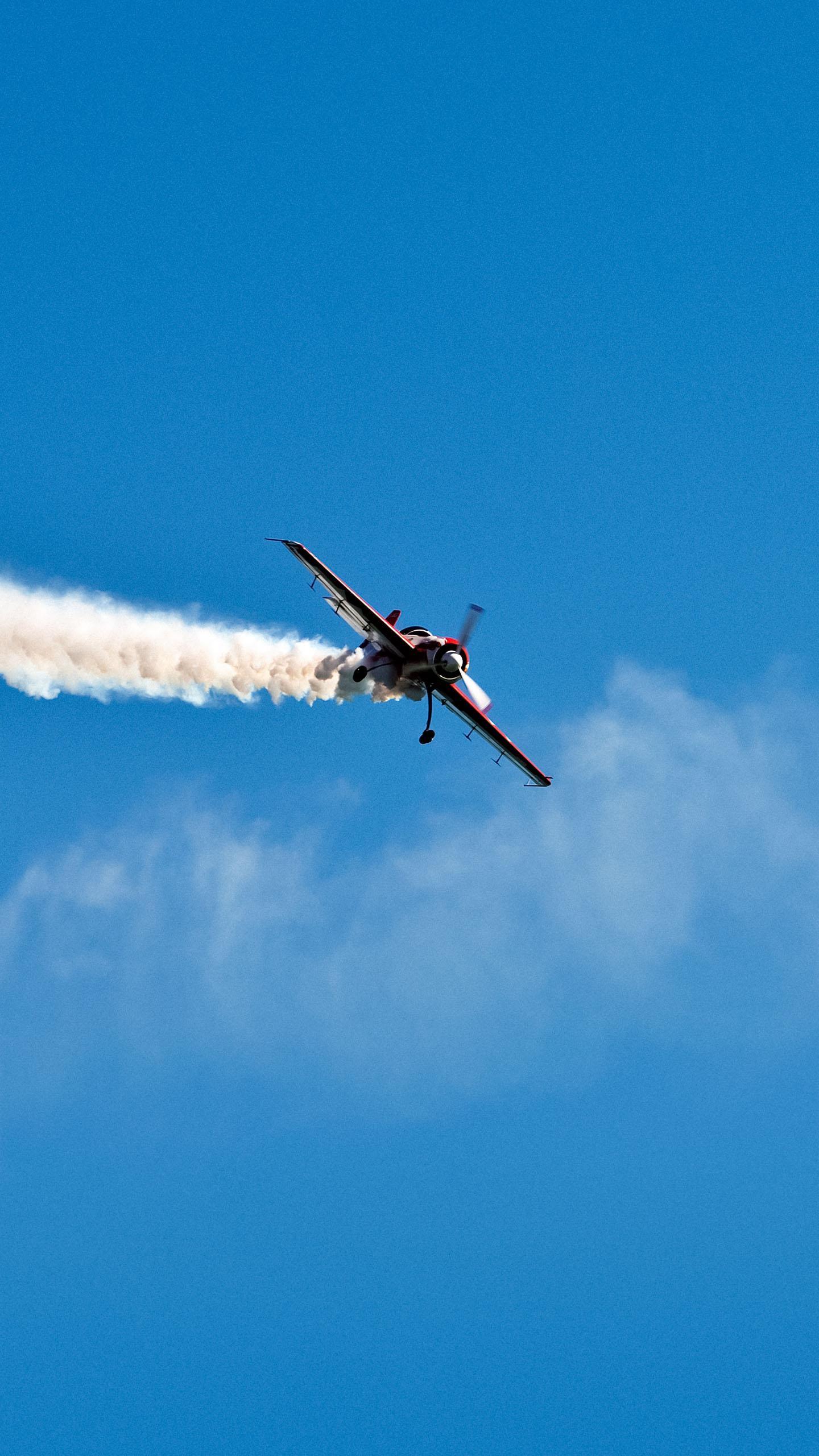
The U.S. Air Force Academy officially unveiled its new T-19A Kestrel aircraft on November 12, 2026, marking the public debut of the Academy's first aircraft dedicated to powered aerobatic training. Four
T-19A Kestrels performed a flyover during the noon meal formation at the Academy in Colorado, piloted by senior Air Force leaders including Air Force Chief of Staff Gen. Ken Wilsbach and Academy Superintendent Lt. Gen. Paul Moga. This initiative aims to expand cadet airmanship opportunities and develop foundational flying skills. The T-19A program was developed with significant cadet involvement, including the selection of the name 'Kestrel,' which reflects the aircraft's agile and precise flight capabilities. The ceremony at Davis Airfield included a symbolic key presentation to cadets, representing the future generations of Air Force aviators who will benefit from this enhanced training.
Why It's Important?
The introduction of the T-19A Kestrel signifies a significant advancement in the U.S. Air Force Academy's aviation training programs. This new aerobatic training capability will allow cadets to develop advanced aviation skills, fostering confidence, discipline, and leadership qualities essential for future Air Force officers. By providing opportunities for cadets to fly powered aerobatic aircraft, the Academy is enhancing its ability to produce highly skilled aviators. This investment in advanced training directly supports the Air Force's mission to maintain air superiority and develop a robust pipeline of talented pilots. The program also aims to establish a nationally competitive aerobatic and demonstration team, further elevating the Academy's profile and attracting top talent.
What's Next?
The immediate next steps for the T-19A Kestrel program involve the initial cadre of six active-duty military pilots developing and executing an aerobatic training curriculum. As the program matures, the Academy plans to increase cadet involvement through structured training, mentorship, and leadership opportunities. The long-term goal is to establish a nationally competitive aerobatic and demonstration team, which would further showcase the skills of Academy cadets and the capabilities of the T-19A. This progressive approach aims to create a cadet development pipeline, allowing select cadets to advance from foundational aviation skills to advanced aerobatic performance, ultimately shaping the next generation of Air Force leaders and aviators.
Beyond the Headlines
The T-19A Kestrel program represents more than just new aircraft; it embodies a strategic investment in the future leadership of the U.S. Air Force. By integrating advanced aerobatic training, the Academy is not only honing technical flying skills but also instilling critical attributes like risk management, precision, and decision-making under pressure. The symbolic key presentation to cadets underscores the emphasis on cadet ownership and involvement in their training, fostering a sense of responsibility and commitment. This initiative could also influence broader aviation training methodologies within the military, potentially setting new standards for pilot development and readiness in an increasingly complex aerial environment. The program's success could serve as a model for other military academies seeking to enhance their airmanship programs.