



What's Happening?
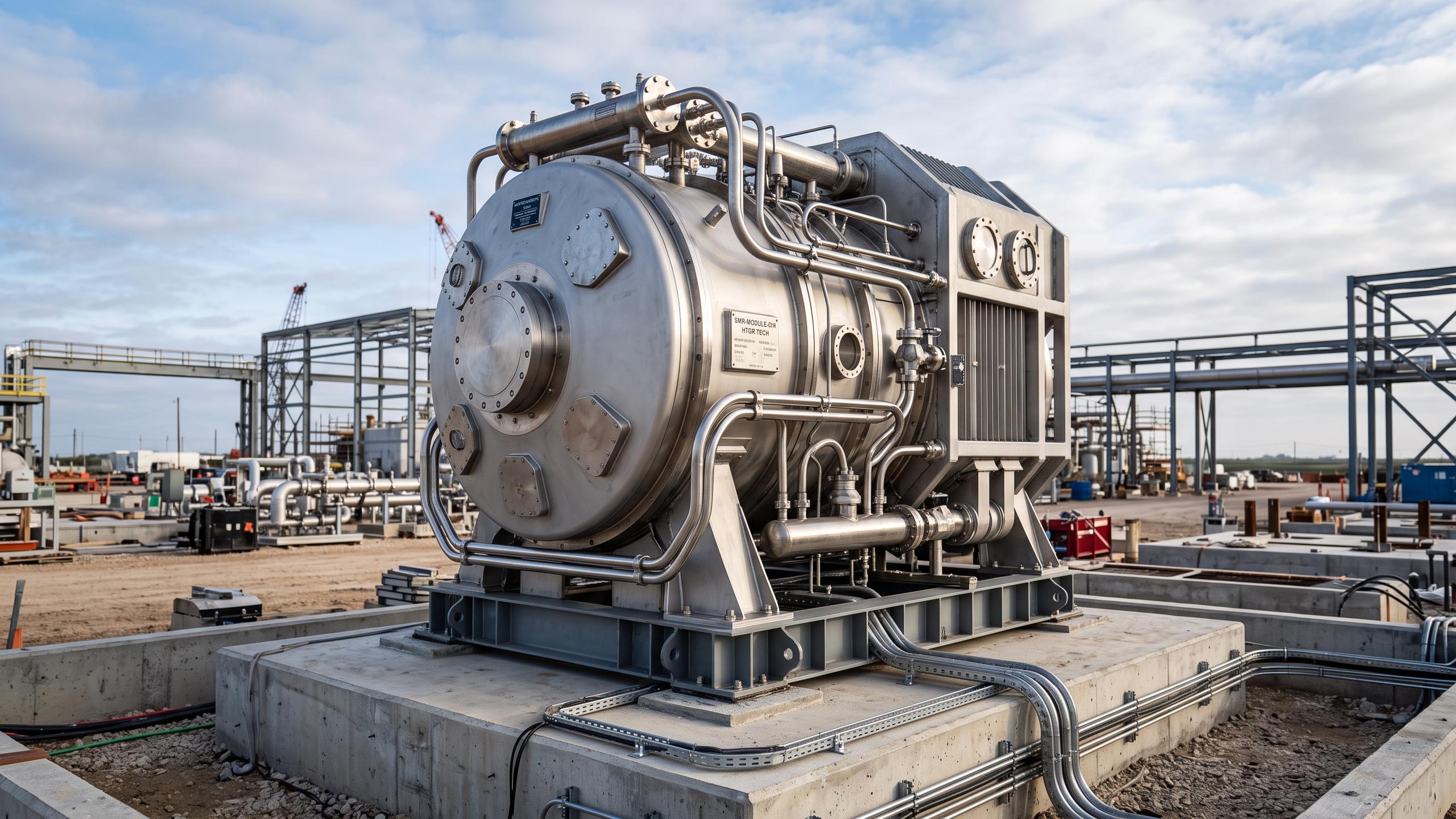
The Nuclear Regulatory Commission (NRC) has granted authorization for the construction of four Xe-100 modular reactors at a Dow industrial facility in Texas. This approval marks a significant step for X-energy,
the nuclear startup behind the technology, bringing its advanced nuclear installation closer to commercial deployment. Each reactor is designed to generate 80 megawatts (MW) of electricity and an additional 200 MW of thermal energy. Collectively, the installation is projected to provide 320 MW of electrical generation, offering an extra source of industrial power for the chemical manufacturer. X-energy highlights this regulatory decision as the first construction authorization for an advanced nuclear installation at an American industrial location. The proposed technology utilizes uranium-bearing fuel pellets with helium gas circulating to carry away generated heat, a design X-energy claims offers safety advantages over traditional nuclear power systems.
Why It's Important?
This authorization is important for the U.S. energy sector, particularly as demand for electricity rises, driven in part by the expanding computing infrastructure of artificial intelligence companies. The deployment of modular reactors could offer a new, potentially more flexible and scalable source of power for industrial facilities and data centers. However, the decision has drawn criticism from independent experts and organizations like the Union of Concerned Scientists. Edwin Lyman, director of nuclear power safety at the Union of Concerned Scientists, stated that the NRC pushed critical safety questions to a later date rather than resolving them before granting construction approval. This raises concerns about the thoroughness of the regulatory process and the potential implications for safety standards in advanced nuclear technology. The outcome of this project could influence future regulatory approaches to modular nuclear reactors and their integration into the national energy grid.
What's Next?
While construction has been authorized, the operational phase for these reactors is still several years away. X-energy anticipates that the Dow installation will begin service sometime in the early 2030s. This timeline suggests a prolonged period of construction, testing, and further regulatory oversight before the reactors can supply electricity. The ongoing debate regarding safety considerations, particularly those raised by the Union of Concerned Scientists, indicates that the project may face continued scrutiny. Future developments will likely involve the resolution of these outstanding safety questions and the demonstration of the technology's claimed advantages. The success or challenges encountered during the construction and eventual operation of these reactors will be closely watched by the nuclear industry, energy providers, and environmental groups, potentially shaping the future of advanced nuclear power in the U.S.
Beyond the Headlines
The approval of these modular reactors highlights a broader shift in the energy landscape, where artificial intelligence companies are increasingly exploring nuclear energy to meet their substantial power demands. This trend could accelerate the development and adoption of advanced nuclear technologies, potentially altering the energy mix in the U.S. The controversy surrounding the NRC's handling of safety questions also underscores the ongoing tension between technological innovation and regulatory caution. The ethical implications of deploying new nuclear technologies, especially concerning long-term safety and waste management, remain a critical discussion point. If successful, this project could set a precedent for integrating advanced nuclear power directly into industrial operations, potentially reducing reliance on fossil fuels and contributing to decarbonization efforts. Conversely, any significant issues could lead to increased public skepticism and stricter regulatory frameworks for future nuclear projects.