
What's Happening?
The U.S. Coast Guard medically evacuated a 71-year-old passenger suffering from a head injury from the AIDA Cruises’ AIDAdiva cruise ship. The incident occurred approximately 76 miles offshore of Charleston,
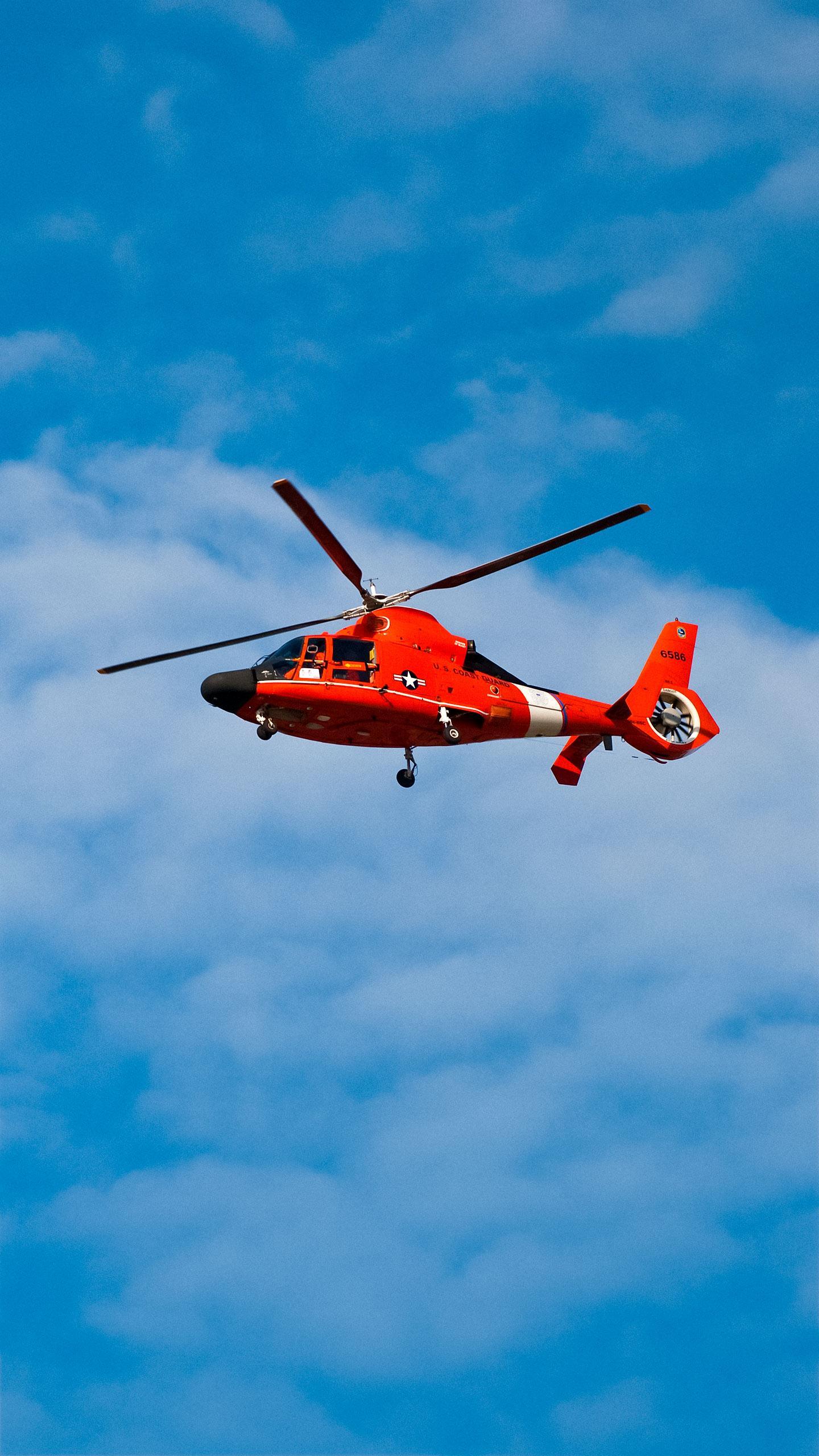
South Carolina, on November 4. The AIDAdiva requested assistance after the passenger sustained the injury. A Coast Guard Air Station Savannah MH-65 Dolphin helicopter crew responded to the vessel, hoisted the injured individual, and transported him to MUSC in Charleston. The passenger was reported to be in stable condition upon arrival. Ship tracking data indicates that the AIDAdiva altered its course towards Charleston around 10:45 a.m. on November 4 to facilitate the medical evacuation, before resuming its scheduled voyage towards Port Canaveral by approximately 3:30 p.m. the same day.
Why It's Important?
This incident highlights the critical role of the U.S. Coast Guard in providing emergency medical services to individuals at sea, particularly those on commercial vessels like cruise ships. The rapid response and successful medical evacuation underscore the importance of maintaining well-trained and equipped search and rescue teams. For the cruise industry, such events emphasize the inherent risks associated with maritime travel and the necessity for robust emergency protocols and medical facilities on board. The ability of the Coast Guard to conduct complex operations far offshore ensures the safety and well-being of passengers and crew, mitigating potentially life-threatening situations. This also demonstrates the collaborative efforts between cruise lines and federal agencies in responding to medical emergencies, ensuring that individuals receive timely care even in remote maritime environments.
What's Next?
Following the successful medical evacuation, the 71-year-old passenger is receiving treatment at MUSC in Charleston. The U.S. Coast Guard's Southeast District emphasized its commitment to readiness through continuous training, qualifications, and physical fitness, ensuring their ability to respond across their 1.8 million square mile area of responsibility. While the immediate medical needs of the passenger are being addressed, the incident serves as a reminder for cruise lines to continually review and enhance their onboard medical capabilities and emergency response procedures. No further official investigations into the cause of the head injury have been publicly announced, suggesting it was an isolated medical incident rather than a broader safety concern for the vessel.
Beyond the Headlines
The frequent need for U.S. Coast Guard medical evacuations from cruise ships, as evidenced by this and other recent incidents, points to a broader discussion about healthcare provision in international waters. While cruise ships are equipped with medical staff and facilities, severe injuries or illnesses often necessitate transfer to land-based hospitals for advanced care. This raises questions about the financial responsibilities for such evacuations and subsequent medical treatment, which can be substantial. Furthermore, it underscores the unique challenges of providing emergency services in a maritime context, where geographical distance and environmental factors can complicate rescue efforts. The Coast Guard's 'Semper Paratus' motto reflects a constant state of readiness that is essential for safeguarding lives at sea, a service that often goes beyond routine patrols to include critical life-saving missions.