


What's Happening?
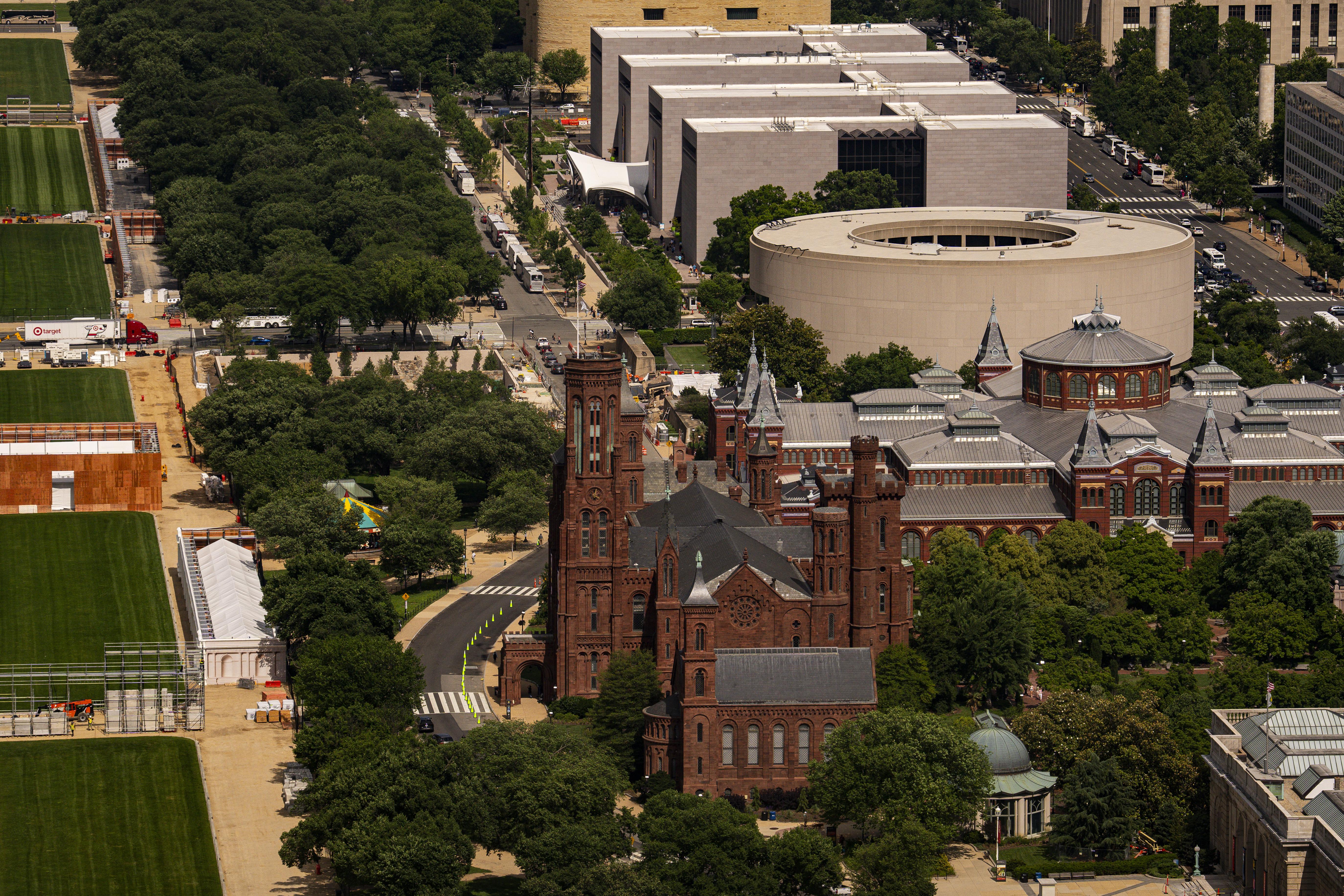
The Smithsonian Hirshhorn Museum and Sculpture Garden has completed a significant revitalization of its outdoor space on the National Mall. This transformation, the largest in the museum's history, was
led by artist and architect Hiroshi Sugimoto and his Tokyo-based firm, New Material Research Laboratory. Key enhancements include the reopening of an underground passageway connecting the museum to the garden, an expanded reflecting pool featuring Sugimoto’s Kuen Surface stainless steel sculpture, and a wider north entrance from the National Mall accented by Elmgreen & Dragset’s Eight installation. The project has increased the number of sculptures on view from 35 to 60, added 57 new trees and approximately 30,000 plants, and introduced a new flexible West Lawn Gallery for large-scale installations and performances. The Hirshhorn, which first opened in 1974, aims to offer an enhanced experience of modern and contemporary art, with works by renowned artists such as Auguste Rodin, Yoko Ono, Pablo Picasso, and Henri Matisse now more prominently displayed.
Why It's Important?
This revitalization significantly enhances a prominent cultural institution in the nation's capital, impacting both local residents and the millions of tourists who visit the National Mall annually. By increasing the number of artworks and improving accessibility and green spaces, the Hirshhorn Sculpture Garden reinforces Washington D.C.'s status as a major center for arts and culture. The project's focus on integrating art with an improved natural environment could serve as a model for other urban cultural spaces, potentially influencing future public art and landscape architecture initiatives across the U.S. The free admission policy ensures broad public access to world-class modern and contemporary art, fostering cultural engagement and education for diverse audiences. This investment in public art infrastructure also contributes to the economic vitality of the region by drawing visitors and supporting the cultural tourism sector.
What's Next?
The newly revitalized Hirshhorn Sculpture Garden is now open daily from 10 a.m. to 5:30 p.m., offering visitors immediate access to its enhanced features and expanded art collection. The museum encourages the public to visit its website for a complete list of artists and works currently on display. The new flexible West Lawn Gallery is expected to host a variety of large-scale installations, rotating exhibitions, and live performances, suggesting a dynamic programming schedule in the coming months and years. The improved connectivity to the National Mall and the reopening of the underground passageway are anticipated to streamline visitor flow and encourage greater exploration of the Hirshhorn's offerings. Future developments may include new educational programs or community engagement initiatives leveraging the expanded outdoor space.
Beyond the Headlines
The Hirshhorn Sculpture Garden's transformation reflects a broader trend in urban planning and cultural institutions to create more integrated, accessible, and environmentally conscious public spaces. The emphasis on increased green infrastructure, with 57 new trees and thousands of plants, highlights a growing recognition of the importance of nature within urban cultural landscapes. The project also underscores the enduring legacy of philanthropic contributions to national cultural assets, as the garden originated from Joseph H. Hirshhorn's gift in 1966. The inclusion of works by a diverse range of international artists, from Auguste Rodin to Yoko Ono and contemporary figures, speaks to the evolving definition of modern and contemporary art and its role in public discourse. This revitalization could inspire discussions about the balance between preserving historical integrity and embracing modern design in national landmarks.