



What's Happening?
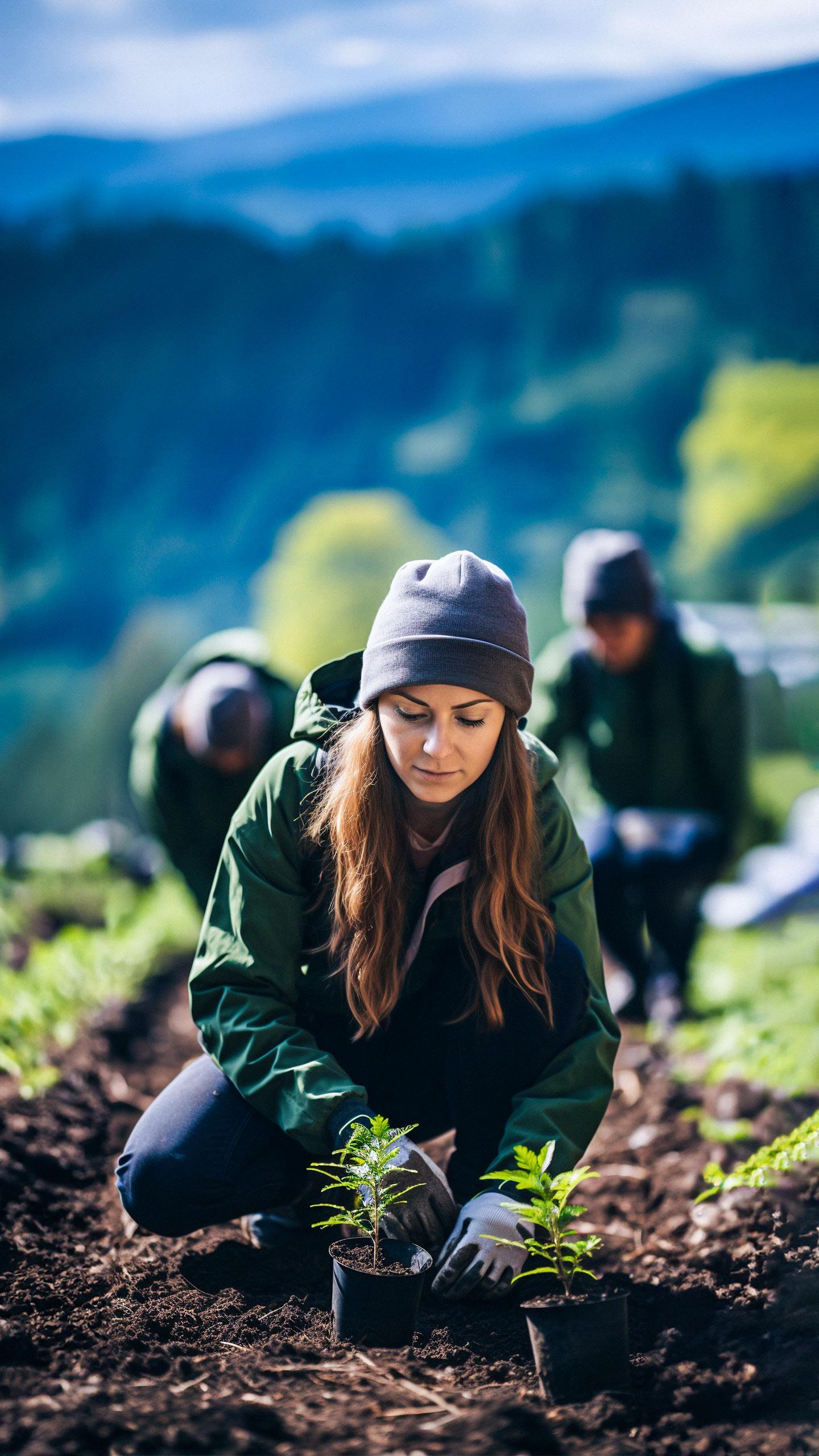
The Delaware Forest Service (DFS) Urban and Community Forestry Program, in partnership with Lombardy Elementary School in Wilmington, planted eight new trees on school grounds. This initiative builds on a previous
effort last fall, bringing the school's total to 20 new trees over two years. The project is funded through the Inflation Reduction Act (IRA) Urban and Community Forestry Grant Program, which provides federal funding via the USDA Forest Service for urban and community forestry initiatives nationwide. Taryn Davidson, Delaware Forest Service Urban and Community Forestry Program Manager, emphasized that planting trees at schools creates healthier outdoor spaces and offers students firsthand learning opportunities about the importance of trees. DFS Education Specialist Ashley Melvin also provided an educational activity for students.
Why It's Important?
This initiative is important because it leverages federal funding from the Inflation Reduction Act to address critical environmental and public health challenges in urban communities. Expanding tree canopy helps mitigate extreme heat, manage stormwater runoff, and increase access to green spaces, particularly in underserved areas. For schools like Lombardy Elementary, trees provide shade, improve air quality, and create outdoor learning environments, fostering environmental literacy among students. Kyle Hoyd, Delaware State Forester, highlighted that these projects represent an investment in both natural resources and the next generation of environmental stewards. The program also demonstrates how partnerships between state agencies, schools, and federal funding can lead to tangible, long-term benefits for communities.
What's Next?
The Delaware Forest Service will continue to offer and promote grant opportunities through its Urban and Community Forestry Program, utilizing federal funding from the Inflation Reduction Act. Eligible communities and organizations, including schools, municipalities, and non-profits, can apply for financial assistance for projects involving tree planting, maintenance, hazardous tree removal, urban forest management, and community education. The DFS will also continue to provide technical assistance and educational resources to support these initiatives. The long-term goal is to expand and maintain healthy tree canopies across Delaware, addressing environmental challenges and enhancing community well-being. Interested parties can find more information about available funding and application requirements on the Delaware Forest Service website.
Beyond the Headlines
This tree planting initiative at Lombardy Elementary School, supported by the Inflation Reduction Act, signifies a broader national commitment to urban greening and climate resilience. It underscores the growing recognition that urban forests are not merely aesthetic additions but vital infrastructure for public health, environmental quality, and social equity. The focus on schools highlights the importance of integrating environmental education with practical action, cultivating a new generation of environmentally conscious citizens. Furthermore, the use of federal legislation like the IRA to fund local, tangible projects demonstrates a strategic approach to addressing climate change at the community level, emphasizing localized solutions that have direct impacts on residents' daily lives. This model could inspire similar initiatives in other states, promoting a nationwide effort to enhance urban ecosystems.