



What's Happening?
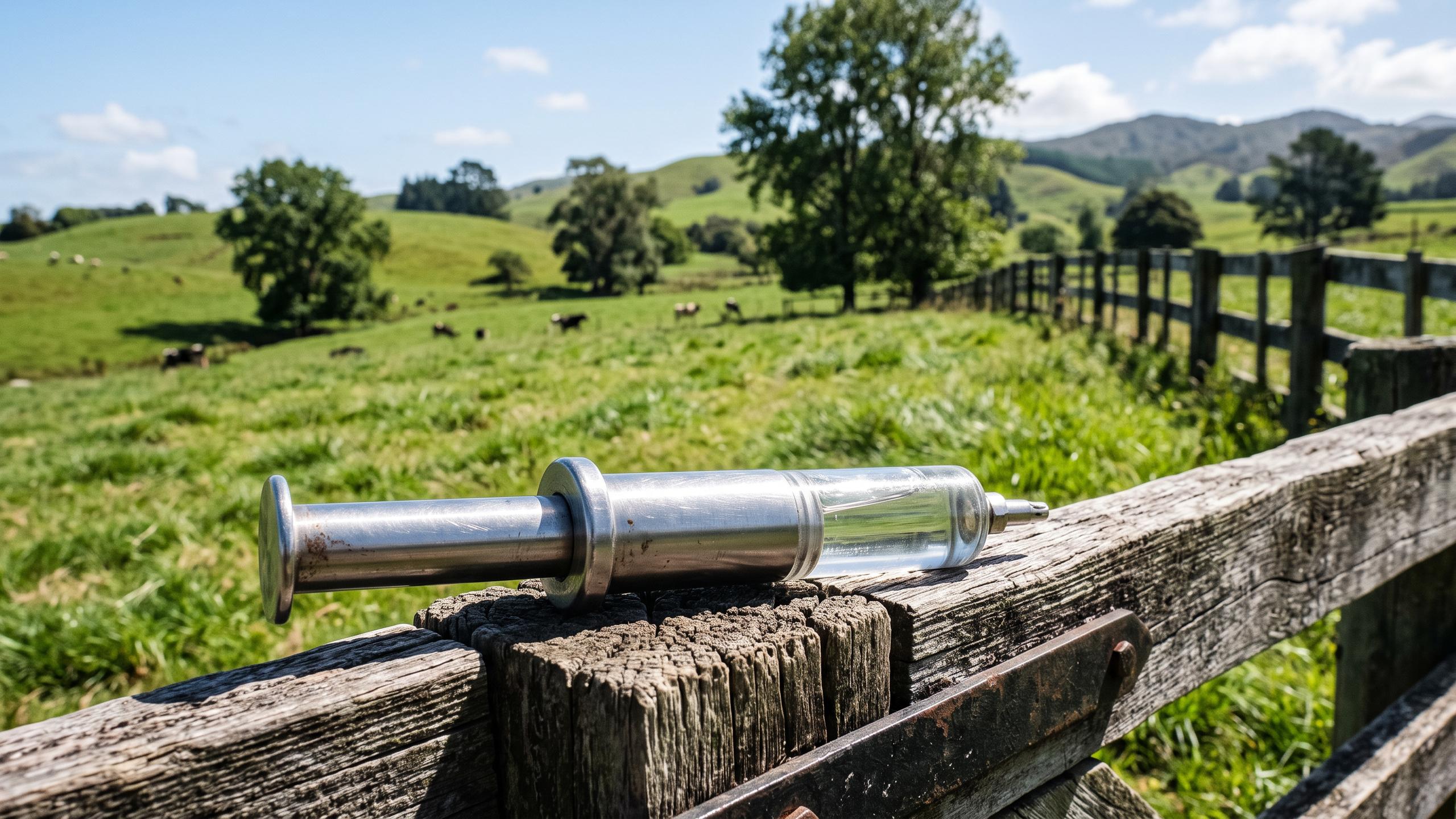
The National Organic Standards Board (NOSB) has recommended that ivermectin, a synthetic parasiticide, be reinstated on the National List of substances allowed in organic livestock, specifically for dairy
and breeding animals. This recommendation comes in response to the spreading New World screwworm (NWS) threat across Texas, New Mexico, and Arizona. The NWS, eradicated in the U.S. in 1966, reappeared in June 2026 and has seen a significant increase in confirmed cases. The FDA authorized over-the-counter ivermectin injections for emergency use to prevent NWS in cattle, excluding lactating dairy cows. The NOSB's proposal would allow ivermectin use only for NWS and would reduce the exclusion period for milk from treated organic dairy cows from 12 months to 90 days. Ivermectin was removed from the National List in 2019 due to environmental toxicity concerns and the availability of other parasiticides. The USDA's National Organic Program has not yet declared the outbreak an emergency treatment program, which would activate certain federal regulations regarding treated organic products.
Why It's Important?
This recommendation by the NOSB carries significant implications for the U.S. organic dairy industry and consumer trust in organic standards. The reintroduction of ivermectin, even under emergency conditions, could challenge the perception of organic products as being free from synthetic pharmaceuticals. While organic rules already mandate treating sick animals, even if they lose organic status, the proposed 90-day exclusion period for milk from treated cows aims to mitigate financial losses for small dairies. The NWS threat itself poses a substantial economic risk, with potential losses up to $1.8 billion in Texas alone, highlighting the urgent need for effective control measures. The decision also underscores the tension between maintaining strict organic principles and addressing immediate agricultural crises. The USDA's final decision will determine the balance between protecting livestock and preserving the integrity of the organic label, impacting both producers and consumers nationwide.
What's Next?
The NOSB's vote is a recommendation to the USDA, not a final rule. The National Organic Program Deputy Administrator, Jenny Tucker, stated that the agency will consult with the FDA and that ivermectin could be considered for an interim final rule, which would take effect while public comment continues. The USDA's National Organic Program has not yet officially declared the NWS outbreak an emergency treatment program, which is a prerequisite for applying federal regulations concerning treated organic products. The industry is preparing for this possibility. The rapid spread of the screwworm, with cases increasing significantly in recent months, suggests that a swift regulatory response may be necessary. Stakeholders, including organic farmers, consumer advocacy groups, and animal welfare organizations, will likely monitor the USDA's actions closely and may engage in public commentary once an interim rule is proposed.
Beyond the Headlines
The debate over ivermectin's reintroduction highlights a broader ethical and practical dilemma within the organic movement: how to balance stringent organic principles with the realities of animal health emergencies and economic viability. The initial removal of ivermectin in 2019 reflected a commitment to environmental sustainability and minimizing synthetic inputs. Its potential return, driven by a severe parasitic threat, forces a re-evaluation of what constitutes an 'organic' approach in crisis situations. This situation could lead to discussions about developing alternative, organic-compliant treatments for such emergencies or establishing clearer protocols for temporary deviations from organic standards during widespread outbreaks. The long-term implications could include a re-examination of the flexibility within organic regulations to adapt to unforeseen challenges, potentially influencing future decisions on other substances and practices within the U.S. organic sector.