
What's Happening?
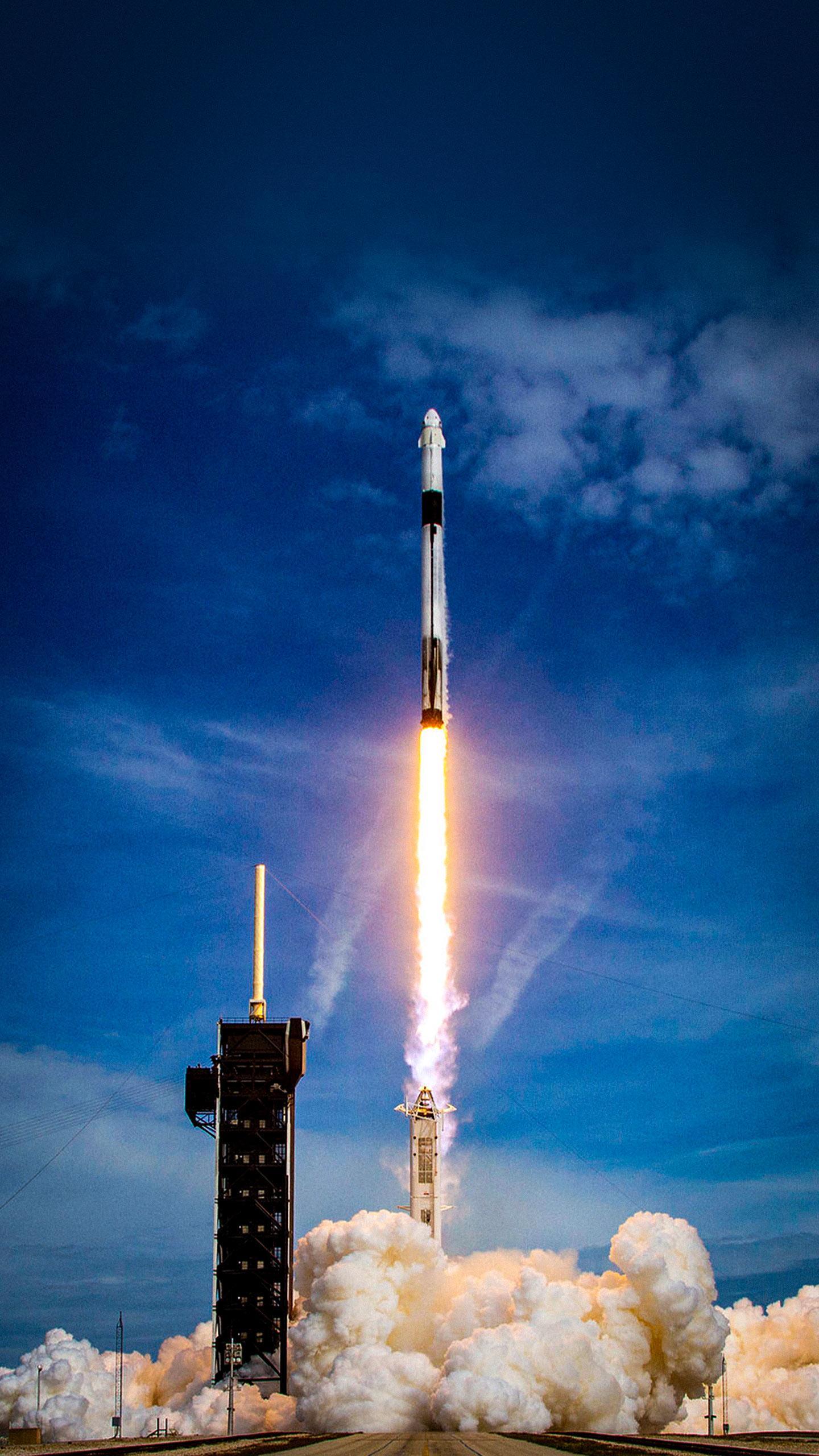
SpaceX successfully launched a classified mission, USSF-627, for the U.S. Space Force from Vandenberg Space Force Base in California on November 11, 2026. This marks the second such classified launch within
a six-day period, following the USSF-432 mission on November 6. Both missions utilized a Falcon 9 rocket, with the first stages returning to Earth and landing on SpaceX's droneship 'Of Course I Still Love You' in the Pacific Ocean approximately 8.5 minutes after liftoff. The specific payloads and objectives of these missions remain undisclosed by both SpaceX and the U.S. Space Force. However, some experts speculate that these launches could involve batches of Starshield satellites, developed by SpaceX for military and intelligence operations, designed to support the Space Force's Space-Based Sensing and Targeting portfolio. This portfolio aids the military in tracking potential targets globally. The USSF-627 mission was the seventh flight for its Falcon 9 booster, designated 1103, and represented the 120th Falcon 9 launch of 2026, with 15 of these being national-security flights.
Why It's Important?
These classified launches underscore the increasing reliance of the U.S. military on private space companies like SpaceX for national security operations. The deployment of potentially advanced Starshield satellites could significantly enhance the U.S. Space Force's capabilities in space-based sensing and targeting, providing critical intelligence and surveillance for military operations worldwide. This partnership highlights a growing trend of commercial space technology being integrated into defense infrastructure, potentially offering more cost-effective and rapid deployment solutions compared to traditional government-led programs. The secrecy surrounding these missions also points to the sensitive nature of the technology and its strategic importance, indicating advancements in U.S. military space capabilities that are not publicly disclosed. The successful reusability of the Falcon 9 boosters in these classified missions further demonstrates the operational efficiency and cost-saving potential that SpaceX brings to national security space endeavors, allowing for a higher cadence of launches.
What's Next?
While details remain classified, the continued deployment of these 'mystery' payloads suggests an ongoing expansion of the U.S. Space Force's orbital assets. Future launches are likely to continue supporting the Space-Based Sensing and Targeting portfolio, potentially leading to more sophisticated global tracking and intelligence capabilities. The consistent use of SpaceX's Falcon 9 for these critical missions indicates a deepening partnership between the U.S. military and the private space sector. This collaboration could lead to further integration of commercial space technologies into defense strategies, potentially influencing future procurement and development of military space systems. The success of these missions also reinforces SpaceX's position as a key player in national security space, potentially securing more contracts for classified government launches in the future. The company's ability to conduct rapid, back-to-back launches with reusable rockets will likely remain a significant factor in its appeal to defense clients.
Beyond the Headlines
The increasing number of classified military launches by private companies like SpaceX raises questions about transparency and oversight in national security space operations. While the need for secrecy in defense is understood, the lack of public information about these payloads and their objectives could lead to concerns regarding the militarization of space and its potential implications for international relations. The development of advanced sensing and targeting capabilities in orbit could alter the balance of power and introduce new challenges in space diplomacy and arms control. Furthermore, the reliance on a single private entity for such critical national security infrastructure could present unique vulnerabilities and dependencies. The ethical considerations surrounding the use of private companies for military intelligence gathering and targeting also warrant deeper discussion, particularly as these capabilities become more sophisticated and integrated into global defense strategies.