
What's Happening?
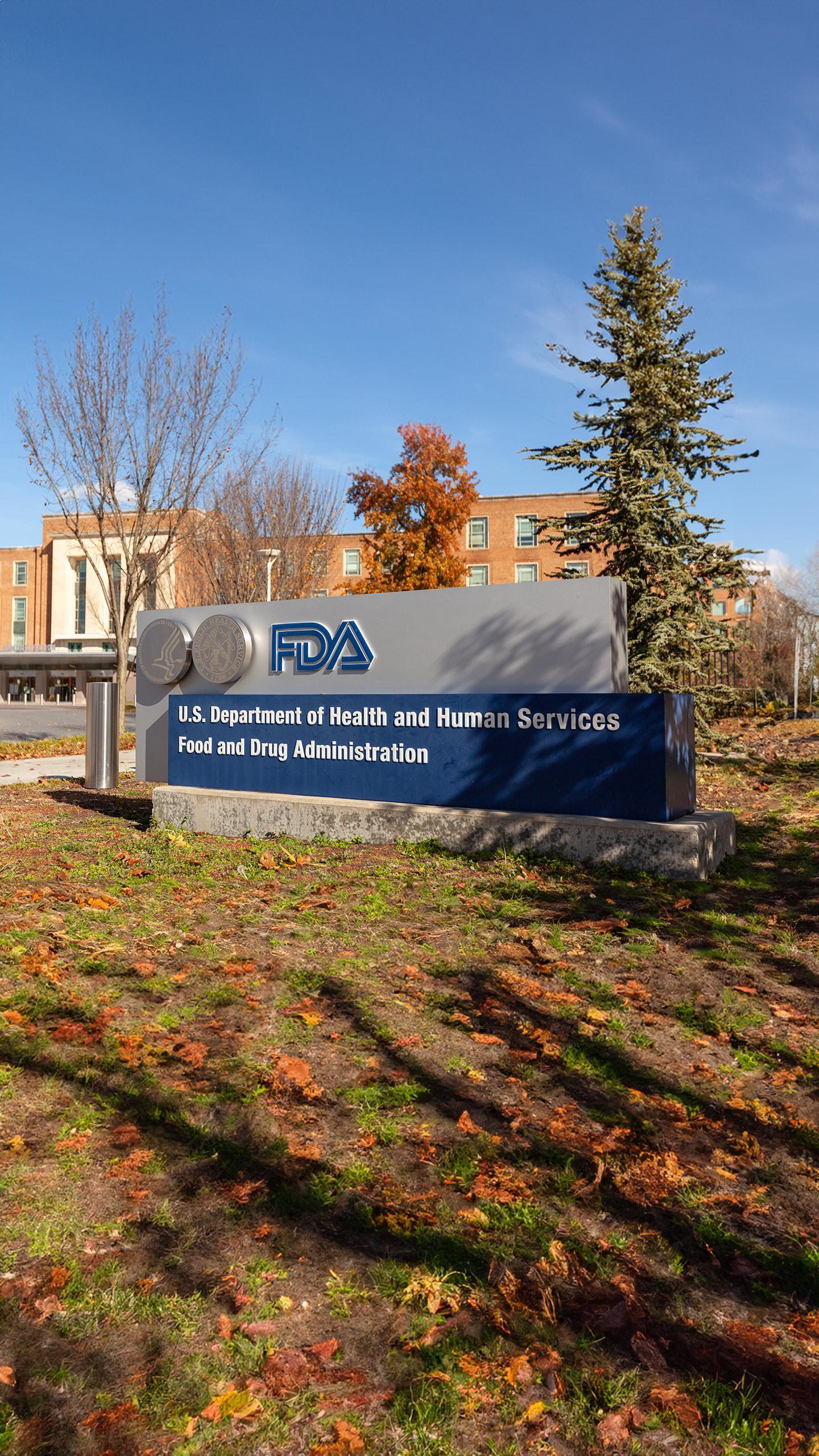
The U.S. Food and Drug Administration (FDA) has introduced significant updates to its operational framework and transparency initiatives concerning drug manufacturing and inspections. A revised Concept
of Operations (ConOps 2.0) became effective on October 21, 2026, outlining how the FDA's Center for Drug Evaluation and Research (CDER) and the Office of Inspections and Investigations (OII) coordinate evaluations, inspections, and compliance activities for human drugs. This update incorporates Remote Regulatory Assessments (RRAs) and Mutual Recognition Agreement (MRA) inspection reports as evaluation tools and clarifies roles following the October 2024 FDA reorganization. Additionally, the FDA released a Transparency Roadmap on October 2, 2026, which aims to expand public access to inspection records by proactively publishing redacted Forms 483 and additional establishment inspection reports (EIRs). The agency has also updated its process for handling post-approval facility withdrawal notifications for New Drug Applications (NDAs) and Abbreviated New Drug Applications (ANDAs), now issuing an 'acknowledge and retain' letter for such supplements.
Why It's Important?
These changes are crucial for enhancing the integrity and oversight of the U.S. drug manufacturing landscape. The ConOps 2.0 aims to ensure consistency, efficiency, and transparency in establishment evaluations and regulatory decision-making, which can lead to safer and more reliable pharmaceutical products for consumers. The Transparency Roadmap, by increasing public access to inspection records, empowers both the public and foreign regulators with more information, fostering greater accountability from manufacturers. This increased transparency is expected to encourage proactive remediation of issues by regulated companies and provide a clearer understanding of regulatory expectations. For the pharmaceutical industry, these updates mean a more structured and transparent regulatory environment, potentially influencing compliance strategies and operational costs. The new process for facility withdrawals streamlines administrative procedures while maintaining regulatory oversight.
What's Next?
The FDA will continue to implement the ConOps 2.0, with ongoing efforts to align CDER and OII operations and integrate new evaluation tools like RRAs and MRA reports. The Transparency Roadmap will guide the FDA's future actions in expanding public access to inspection records, with the agency already releasing batches of previously issued Form 483s. Regulated companies should anticipate increased scrutiny and public awareness regarding their compliance with current Good Manufacturing Practice (cGMP) requirements, particularly concerning data integrity and quality systems, as evidenced by recent warning letters. The FDA's selective disclosure policy for inspection records means that certain records will be proactively published, while others will be released based on specific criteria, such as the 'three or more rule' for FOIA requests. The agency's continued focus on quality systems and data integrity will likely lead to more enforcement actions against firms with deficiencies.
Beyond the Headlines
The FDA's push for greater transparency and updated inspection protocols reflects a broader trend towards enhanced regulatory oversight in critical sectors. By making inspection records more accessible, the FDA is not only addressing calls for 'radical transparency' but also leveraging public scrutiny as a tool for compliance. This could lead to a more informed public and potentially influence consumer trust in pharmaceutical products. The emphasis on data integrity and quality systems in warning letters highlights the ethical and legal implications of manufacturing practices, underscoring the importance of robust internal controls. The integration of remote assessments and international inspection reports also signals a move towards a more globally harmonized and technologically advanced regulatory approach, adapting to the complexities of a globalized supply chain. This evolution in regulatory strategy could set new benchmarks for accountability and quality assurance across the pharmaceutical industry.