


What's Happening?
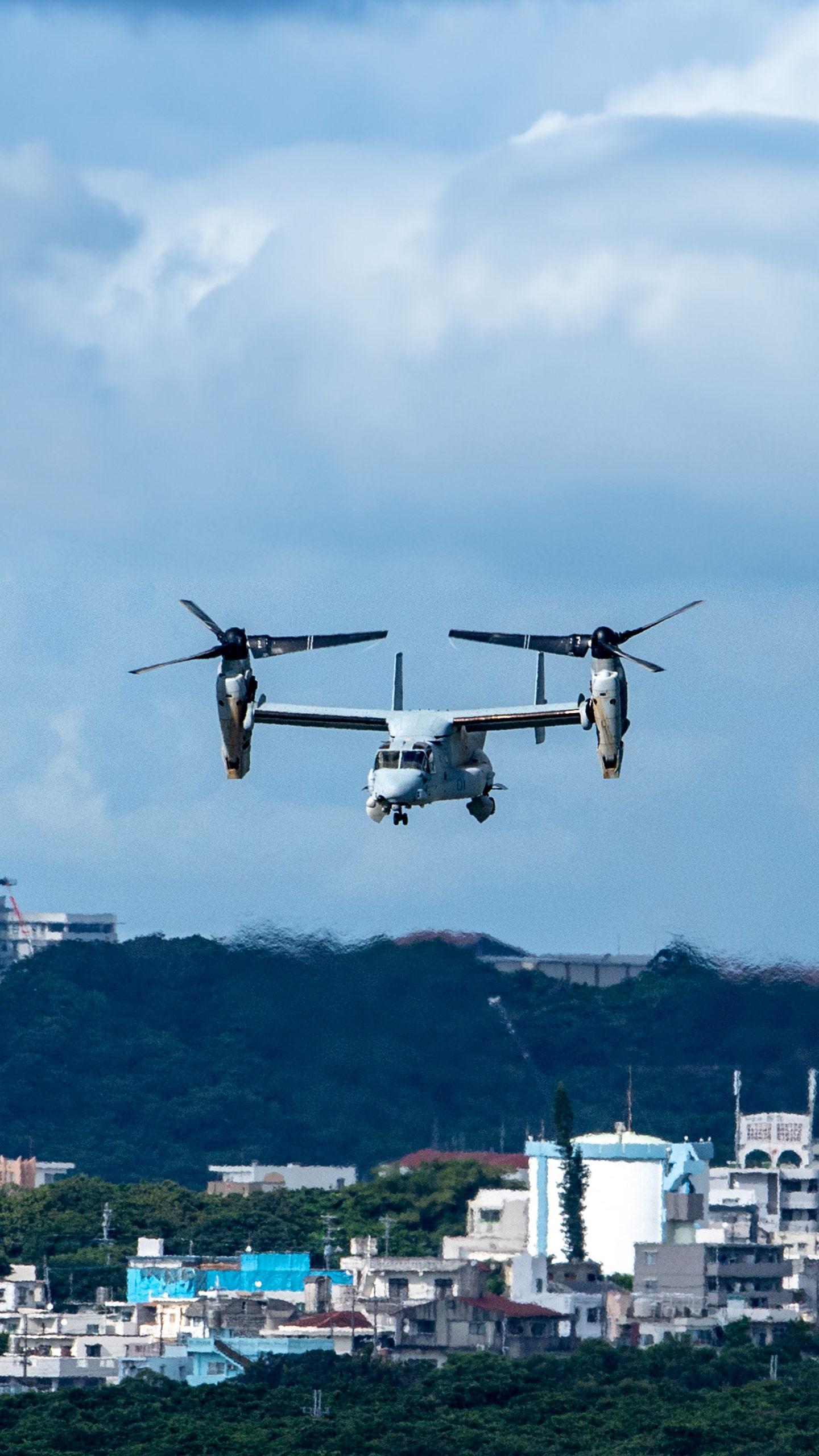
Colonel Chris “Mongo” Seymour, USMC (Ret.), an early test pilot of the V-22 Osprey and a veteran of its first combat deployment in Iraq in 2008, recently test-flew a new production MV-22 in the summer
of 2026. Seymour, who retired from service in 2013, expressed significant praise for the aircraft's advancements, stating that later production models are "exponentially better" than those he flew in the 1990s and early 2000s. He emphasized the Osprey's continued safety, reliability, and readiness for its intended missions, calling it a "game changer" that was ahead of its time and remains so. In July 2026, Bell Textron celebrated a production milestone for the MV-22 Program of Record, with 359 MV-22 aircraft produced and delivered to the United States Marine Corps, which operates the largest fleet. Team Osprey, comprising over 500 U.S.-based suppliers and 27,000 employees across 44 states, is now focused on fleet-wide sustainment and upgrades to ensure the MV-22 Osprey fleet flies until 2055. Bell and Boeing are also continuing to build new CMV-22 variants for the U.S. Navy and support modernization programs for the U.S. Air Force CV-22 fleet.
Why It's Important?
Colonel Seymour's endorsement of the MV-22 Osprey's continued evolution and mission effectiveness is significant for U.S. defense capabilities. His perspective, as a pilot with extensive historical experience with the aircraft, provides a credible assessment of its advancements and ongoing relevance. The Osprey's unique tilt-rotor technology offers critical advantages in speed and versatility for military operations, enabling rapid deployment and logistical support in diverse environments. The commitment to sustainment and upgrades until 2055 underscores the U.S. military's long-term reliance on this platform for strategic operations. This continued investment supports a vast network of U.S. suppliers and employees, contributing to the national defense industrial base and economic stability across multiple states. The ongoing production of variants for the Navy and modernization efforts for the Air Force further solidify the Osprey's integral role across different branches of the U.S. armed forces.
What's Next?
The focus for Team Osprey will be on implementing fleet-wide sustainment and upgrade programs to ensure the MV-22 Osprey fleet remains operational and effective until 2055. This will involve continuous technological enhancements, maintenance, and logistical support to meet the U.S. Marine Corps' operational expectations. Bell and Boeing will continue their production of CMV-22 variants for the U.S. Navy, expanding the Osprey's utility within naval operations. Additionally, the Nacelle Improvement modernization program for the U.S. Air Force CV-22 fleet will proceed, aiming to enhance the performance and longevity of those aircraft. These ongoing efforts will ensure the Osprey's continued role as a critical asset in U.S. military strategy, adapting to future operational demands and technological advancements.
Beyond the Headlines
The enduring legacy and continuous evolution of the V-22 Osprey highlight the long-term strategic planning and investment required for advanced military platforms. The aircraft's journey from early development and initial challenges to becoming a cornerstone of U.S. military aviation reflects a commitment to innovation and adaptation. Colonel Seymour's remarks underscore the human element in technological advancement, where pilot feedback and operational experience drive critical improvements. The Osprey's role in saving thousands of lives in combat, as noted by Seymour, speaks to the profound impact of military technology on operational outcomes and personnel safety. This sustained commitment to a complex aircraft like the Osprey also signifies the intricate relationship between defense contractors, military branches, and the broader industrial base, all working in concert to maintain national security capabilities for decades to come.