



What's Happening?
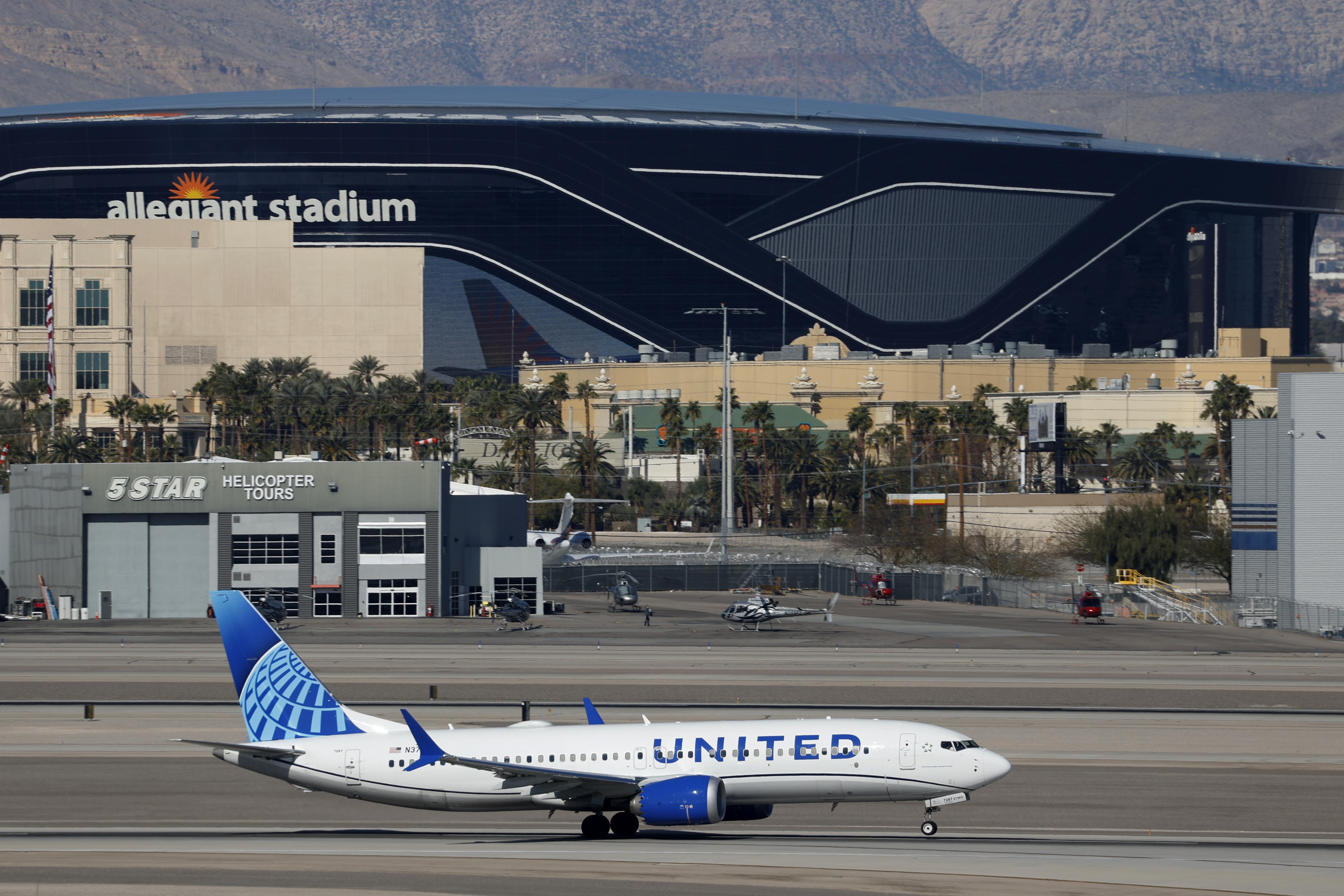
A nationwide ground stop issued by the Federal Aviation Administration (FAA) on Friday, November 13, 2026, caused widespread disruption to U.S. sports travel, affecting NBA, NHL, and college teams. The
FAA cited 'extraordinary circumstances' due to communications issues at regional air traffic control centers for the several-hour stoppage. This led to numerous teams scrambling to reach their destinations, with some rescheduling flights, others chartering buses, and leagues adjusting game times. For instance, No. 19 Mississippi's football game at Oklahoma was moved from Saturday to Sunday due to travel issues, a decision that upset Oklahoma athletic director Roger Denny. Many college football teams, including No. 2 Utah, No. 8 Texas, and No. 9 Tennessee, were left stranded as they typically travel the day before games. NBA teams like the Cleveland Cavaliers had to re-book hotel rooms and adjust their travel plans for Saturday games. The disruption also impacted college women's basketball, with No. 3 Southern California's team deboarding their flight and returning to campus.
Why It's Important?
This FAA ground stop highlights the critical reliance of professional and collegiate sports on air travel for timely competition. The widespread disruption underscores the vulnerability of complex logistical operations to unforeseen systemic failures. For affected teams, the incident created significant stress, potential fatigue, and altered preparation routines, which could impact player performance. The financial implications include unexpected costs for re-booking flights, chartering buses, and additional hotel stays. For leagues, the need to reschedule games and manage public relations around these changes demonstrates the operational challenges of maintaining a national sports calendar. The incident also brings into focus the broader economic impact of air travel disruptions on industries beyond sports, affecting travel, tourism, and commerce across the U.S.
What's Next?
While the ground stop was eventually lifted, the immediate aftermath involves teams continuing to adjust their travel plans to fulfill their weekend game commitments. Leagues will likely review their contingency protocols for such widespread disruptions to minimize future impacts. The FAA will conduct investigations into the 'communications issues' to prevent recurrence, which could lead to updated air traffic control procedures or technological upgrades. For the affected teams, the focus will be on managing player recovery and mental preparation despite the travel hurdles. The incident may also prompt discussions within sports organizations about alternative travel strategies or increased flexibility in scheduling to account for potential air travel interruptions.
Beyond the Headlines
This event reveals the intricate web of dependencies that underpin modern society, where a single point of failure in critical infrastructure, like air traffic control, can cascade into significant disruptions across multiple sectors. Beyond the immediate logistical headaches, such incidents can raise questions about national infrastructure resilience and preparedness for large-scale emergencies. For sports, it subtly shifts the narrative from pure athletic competition to the behind-the-scenes operational challenges that teams and leagues face. It also serves as a reminder of the human element in complex systems, where technical glitches can have far-reaching consequences for individuals and organizations alike, emphasizing the need for robust backup systems and crisis management plans.