


What's Happening?
Friends Academy, a college-preparatory school on Long Island, NY, is actively cultivating civility among its Upper School students, viewing it as a crucial college readiness skill. The school integrates
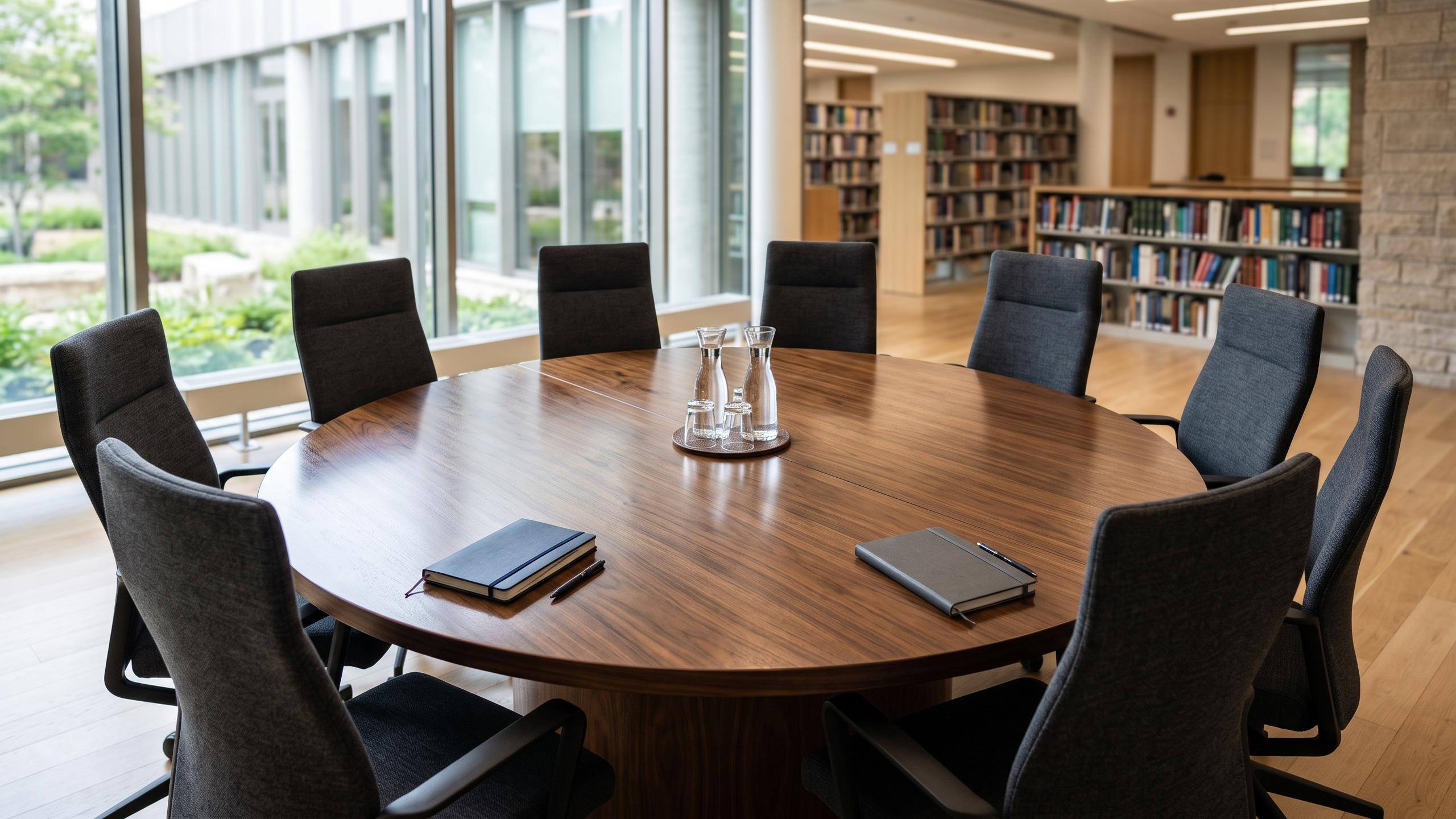
practices of respectful discussion, active listening, and thoughtful engagement with diverse perspectives across its curriculum. This approach is rooted in Quaker pedagogy, utilizing seminar-style, roundtable discussions and the Harkness Method in subjects like History and English. Students are encouraged to bring their own experiences to conversations, weigh competing interpretations, and build evidence-based arguments, while also learning to disagree without personal criticism. The school also incorporates weekly Meeting for Worship, providing moments of silence for reflection and fostering empathy and public speaking skills. These practices extend beyond the classroom through community service requirements, including an Independent Service Project for seniors.
Why It's Important?
The emphasis on civility at Friends Academy is significant because it addresses a growing need for respectful communication and critical thinking in higher education and the workplace. Colleges and employers are increasingly valuing these skills, with some selective institutions even considering 'civility transcripts' from pilot programs like Dialogues, which assess students' ability to engage in conversations with differing viewpoints. By fostering these habits early, Friends Academy aims to equip students not just with academic knowledge but also with the interpersonal skills necessary for success in diverse environments. This focus helps students develop the capacity to challenge ideas honestly while maintaining respect for individuals, a skill vital for navigating complex societal issues and collaborative professional settings. It also prepares them for leadership roles and ethical decision-making.
What's Next?
The integration of civility into the curriculum suggests a continued focus on holistic student development at Friends Academy. The school will likely continue to refine its methods, such as the Harkness Method and Quaker queries, to further embed these practices. As colleges increasingly recognize the importance of civil discourse, Friends Academy's graduates may find themselves better prepared for the demands of higher education, potentially influencing admissions processes at institutions that value such skills. The ongoing community service projects will also continue to provide practical applications for these learned behaviors in real-world settings. The success of programs like 'Dialogues' could lead to broader adoption of civility assessments in college admissions, further validating Friends Academy's educational approach.
Beyond the Headlines
The focus on civility at Friends Academy highlights a broader societal concern about the decline of respectful discourse. By teaching students to listen actively, communicate respectfully, and disagree constructively, the school is addressing a fundamental challenge in contemporary public life. This educational model suggests a shift towards valuing emotional intelligence and ethical reasoning alongside academic achievement. The practice of 'disagreeing respectfully' is particularly profound, as it allows for intellectual challenge and growth without resorting to personal attacks, fostering an environment where diverse ideas can be explored safely. This approach could serve as a model for other educational institutions seeking to cultivate responsible and engaged citizens capable of navigating a complex and often polarized world.