



What's Happening?
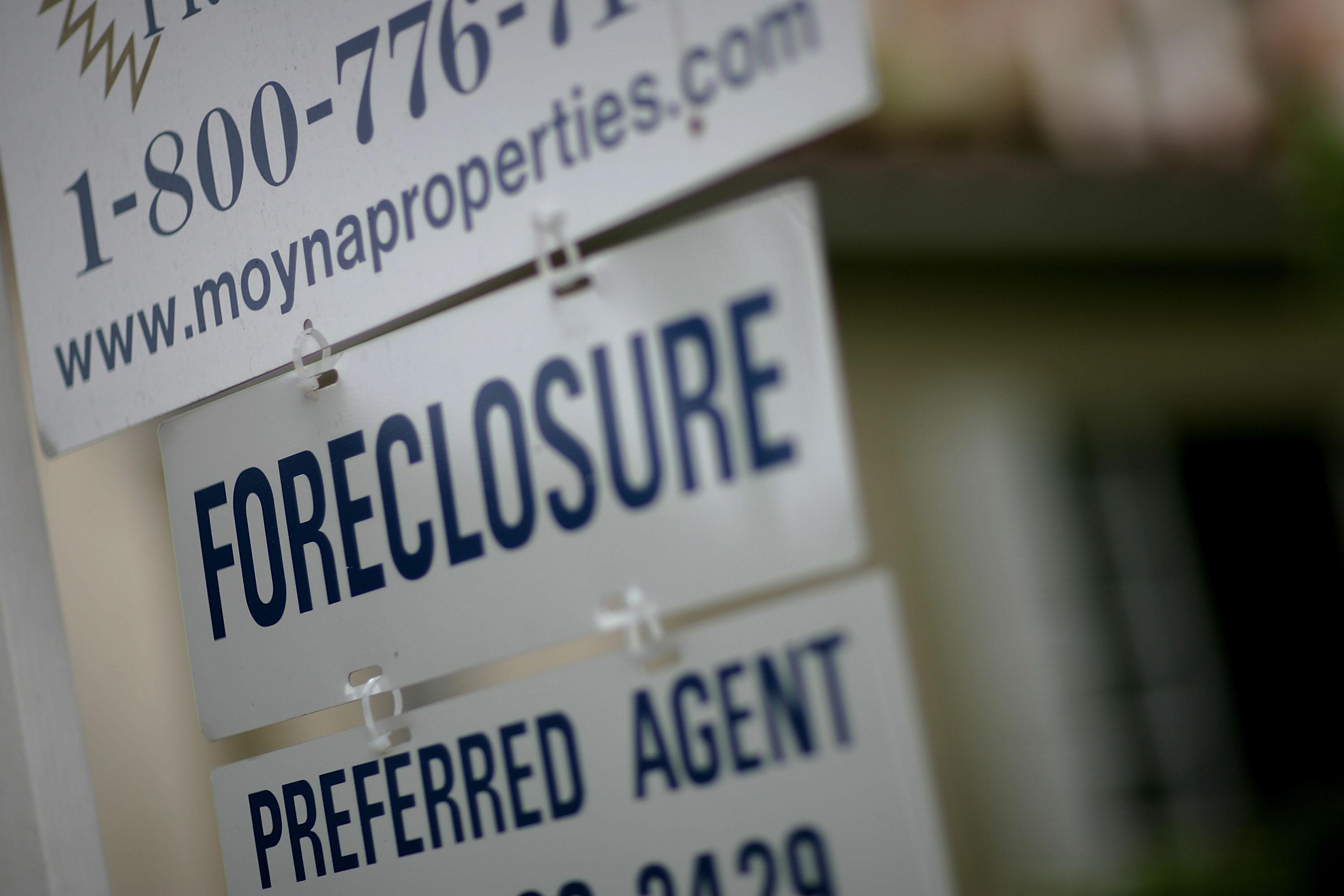
Matthew Boyd, identified as a mortgagor and real owner, is facing a mortgage foreclosure lawsuit filed by MIDFIRST BANK in the Court of Common Pleas of Philadelphia County, Pennsylvania. The legal action,
docketed as Term No. 260603429, concerns a property located at 136 West Ritner Street, also known as 136 Ritner Street, Philadelphia, PA 19148. The lawsuit indicates that MIDFIRST BANK is seeking to foreclose on the mortgage secured on this property, which could lead to its sale by the Sheriff of Philadelphia. Boyd, whose last known address is the aforementioned property, has been notified of the action and is advised to take legal steps within twenty days of receiving the complaint. The notice explicitly states that failure to respond could result in a judgment being entered against him without further notice, potentially leading to the loss of money, property, or other rights. The firm handling the case, KML Law Group, P.C., PC, has identified itself as a debt collector attempting to collect a debt owed to their client.
Why It's Important?
This mortgage foreclosure case highlights the ongoing financial vulnerabilities that individuals can face, even in a broader economic context. For Matthew Boyd, the immediate impact is the potential loss of his property, a significant personal and financial setback. From a broader perspective, such legal actions underscore the persistent challenges within the housing market and the role of financial institutions in pursuing outstanding debts. The case also serves as a reminder of the legal processes involved in mortgage defaults, emphasizing the importance of timely legal counsel for individuals facing similar situations. The involvement of a debt collection firm further illustrates the often-complex nature of debt recovery, where legal entities act on behalf of creditors to enforce financial obligations. The outcome of such cases can have lasting effects on an individual's credit history and financial stability, influencing future housing and lending opportunities.
What's Next?
Matthew Boyd is required to take action within twenty days of being served with the complaint. This involves entering a written appearance, either personally or through an attorney, and filing written defenses or objections with the court. If Boyd fails to respond within this timeframe, the case may proceed without his participation, and a judgment could be entered against him by the court. This judgment could result in the foreclosure and sale of his property at 136 West Ritner Street by the Sheriff of Philadelphia. The legal notice advises Boyd to seek legal counsel immediately, providing contact information for Community Legal Services, Inc., and the Philadelphia Bar Association's Lawyer Referral and Information Service for those who may need assistance or cannot afford a lawyer. The next steps will largely depend on Boyd's response to the legal notice and his engagement with the court process.
Beyond the Headlines
This foreclosure case, while specific to Matthew Boyd, reflects broader societal issues related to housing security and financial distress. It underscores the legal framework designed to protect both creditors and debtors, albeit with significant consequences for the latter in cases of default. The notice's emphasis on seeking legal aid highlights the systemic recognition that not all individuals have equal access to legal representation, which can profoundly impact the outcome of such proceedings. The case also touches upon the ethical considerations for debt collection firms, which operate within strict legal boundaries but whose actions can have severe personal ramifications. Long-term, a foreclosure can lead to significant credit score damage, making it difficult for individuals to secure housing or loans in the future, thus perpetuating cycles of financial instability. This situation serves as a stark reminder of the fragility of homeownership for many and the critical need for financial literacy and legal support when facing such challenges.