


What's Happening?
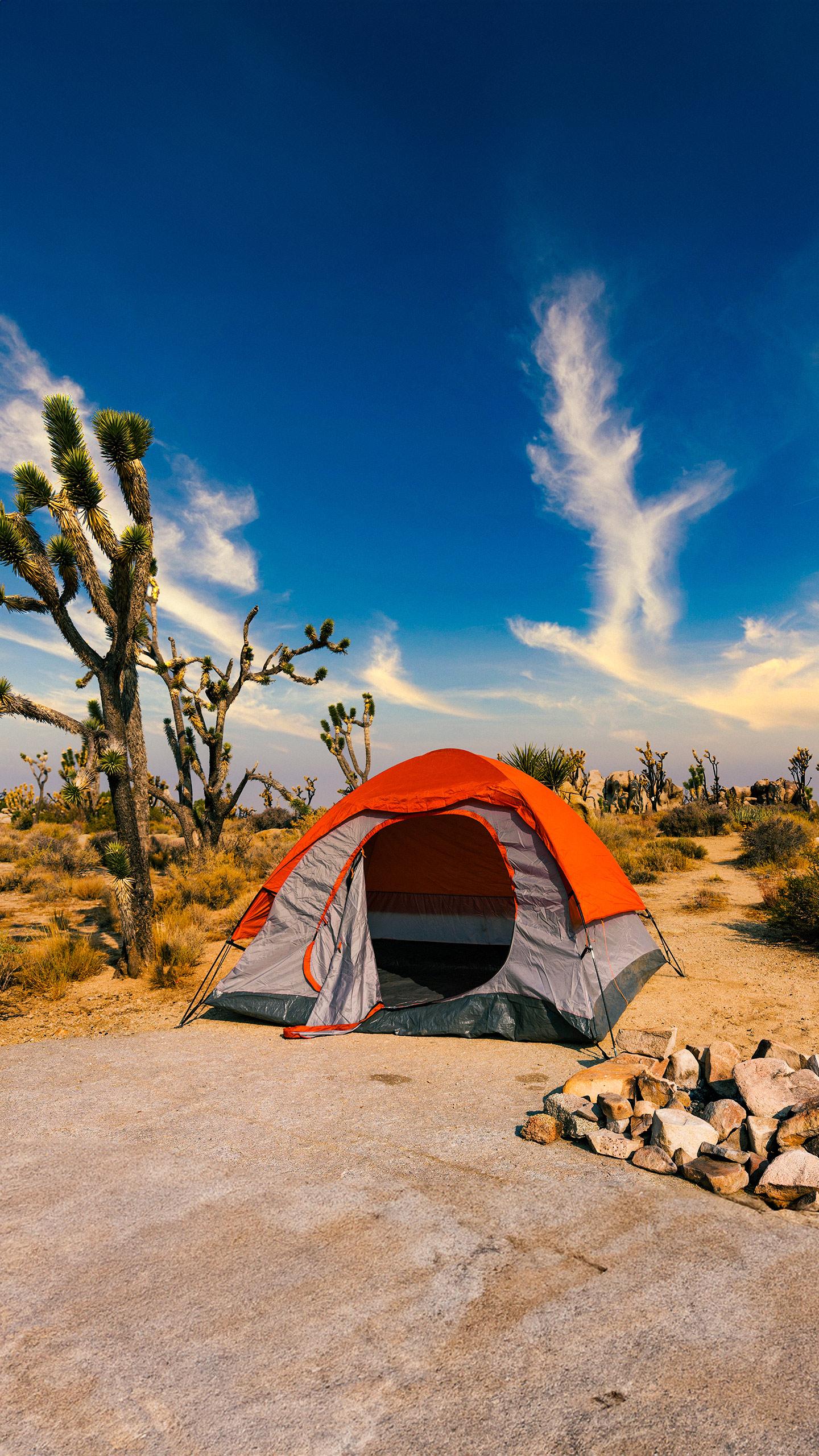
Joshua Tree National Park is reminding visitors about critical safety measures, particularly regarding water availability and the inherent risks of climbing. The National Park Service (NPS) highlights
that the park's interior lacks water sources, gas stations, restaurants, grocery stores, or hotels, urging visitors to bring all necessary supplies. Water bottle filling stations are available at the Black Rock Nature Center, the West Entrance Station, and the Joshua Tree National Park Visitor Center in Twentynine Palms, but not in the central areas of the park. The NPS recommends carrying at least one gallon of water per person daily. This advisory follows a climbing incident in November 2025, where a climber fell and dislodged several pieces of protection on a challenging traditional climbing route. The incident, which resulted in a ground fall and subsequent rescue, underscores the need for thorough preparation and awareness of the park's unique conditions.
Why It's Important?
The emphasis on visitor preparedness and safety in Joshua Tree National Park is crucial for mitigating risks in its rugged desert environment. The park's remote nature and lack of amenities mean that visitors must be self-sufficient, especially concerning hydration, to prevent heat-related illnesses and other emergencies. The climbing accident serves as a stark reminder of the dangers associated with outdoor recreational activities, particularly in areas with difficult terrain and challenging protection. For the NPS, these advisories are vital for public safety and resource management, aiming to reduce the frequency of search and rescue operations, which strain park resources. For visitors, understanding and adhering to these guidelines can be the difference between a safe and enjoyable experience and a life-threatening situation, highlighting the personal responsibility required when exploring national parks.
What's Next?
The NPS will likely continue to reinforce its safety guidelines through various channels, including park signage, visitor center information, and online resources, to ensure that all visitors are aware of the necessary precautions. Educational campaigns may be enhanced to specifically address the risks of climbing and the importance of proper gear and experience for such activities. Park rangers and staff will likely maintain vigilance in monitoring visitor activities and providing assistance when needed. For climbers, the incident may prompt a reevaluation of route difficulty ratings and protection strategies, especially for older, more challenging routes. The park may also explore additional ways to communicate critical safety information, potentially leveraging technology to reach a broader audience and ensure a safer experience for everyone.
Beyond the Headlines
The incident and subsequent safety reminders in Joshua Tree National Park highlight a broader challenge faced by national parks: balancing public access with visitor safety and environmental preservation. As more people seek outdoor adventures, the potential for accidents increases, placing greater demands on park services. This situation also brings to light the ethical considerations for climbers, emphasizing the importance of self-assessment, understanding one's limits, and the responsible use of climbing equipment. The park's unique ecosystem, characterized by the iconic Joshua Trees and harsh desert conditions, necessitates a deep respect for nature and a proactive approach to personal safety. The ongoing efforts to educate visitors reflect a commitment to fostering a culture of preparedness and responsible recreation, ensuring the long-term sustainability of both the park's natural beauty and the safety of its visitors.