



What's Happening?
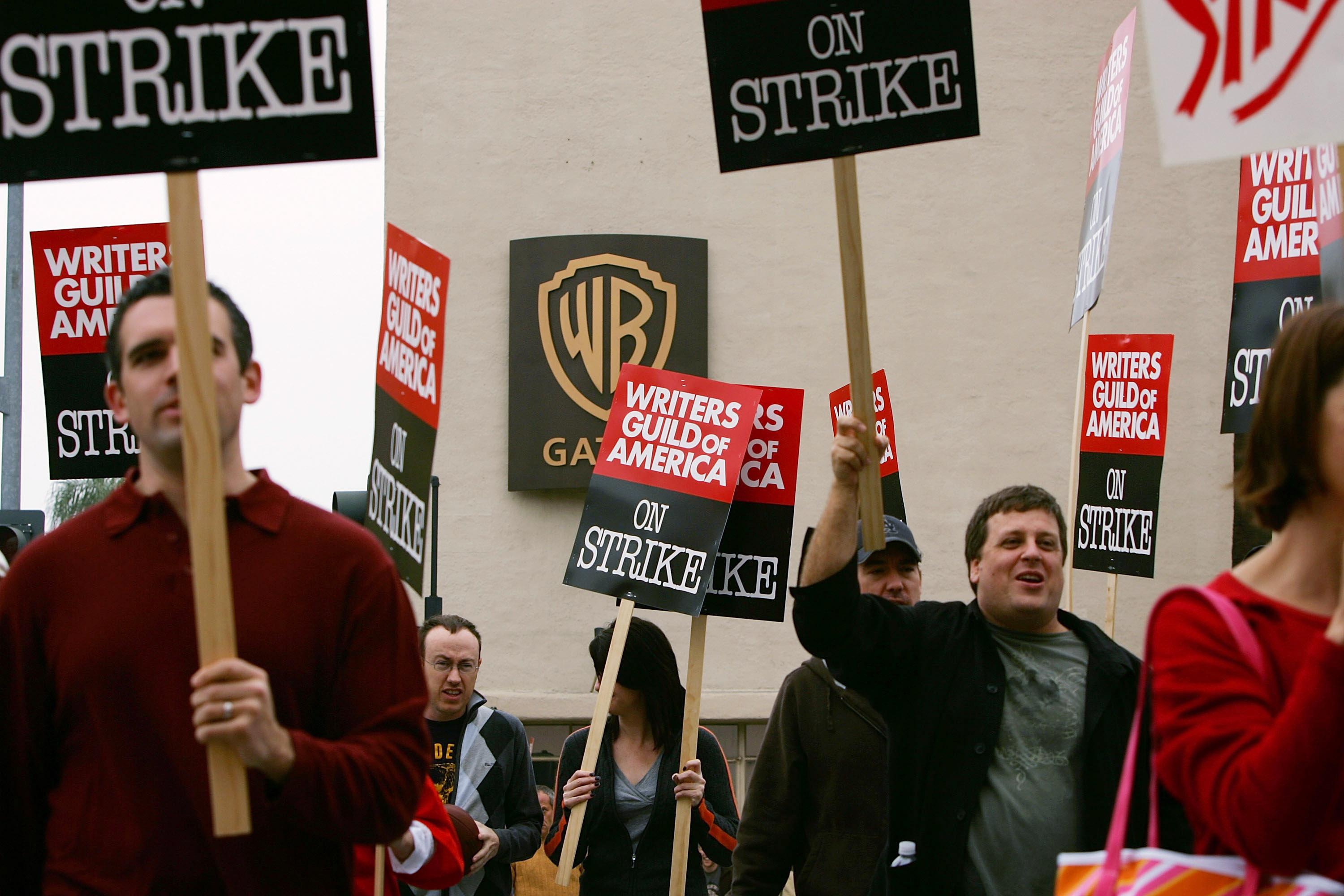
Graduate students at the University of Oregon (UO), represented by the Graduate Teaching Fellows Federation (GTFF), have overwhelmingly voted to strike by November 16. This decision comes after eight months
of unsuccessful contract negotiations with the university administration regarding wages, healthcare, and job security. While both sides agreed to a wage freeze in the first year of a new contract, the GTFF is demanding 3.5% and 4% wage increases in the second and third years, respectively, whereas UO is offering only 2.5% for each of those years. A key point of contention in healthcare is the cost-sharing for increases exceeding 10%. The GTFF insists that any such increase in the first year should maintain the current 95% university / 5% student split, with a 50-50 split only applying in subsequent years. Mediated talks resumed on November 9 in an attempt to avert the strike.
Why It's Important?
This potential strike by University of Oregon graduate students highlights the increasing financial pressures faced by academic workers across the U.S. Graduate students often play a crucial role in university operations, including research, teaching, and grading, yet frequently struggle with inadequate compensation and benefits. A strike could disrupt academic activities, including classes, labs, and research projects, impacting undergraduate education and the university's research output. The outcome of these negotiations could influence similar discussions at other universities, potentially setting a precedent for graduate student compensation and healthcare benefits. This situation also underscores the broader national conversation about the affordability of higher education and the working conditions of those who contribute significantly to it.
What's Next?
Mediated talks between the GTFF and the University of Oregon administration resumed on November 9. The deadline for the strike is November 16, meaning a resolution must be reached before then to avoid a walkout. If the strike proceeds, it could lead to significant disruptions across the university, affecting students, faculty, and research. The university may face pressure to concede to some of the graduate students' demands to restore normal operations. The situation will likely be closely watched by other academic institutions and graduate student unions nationwide, as it could influence future collective bargaining efforts.
Beyond the Headlines
The dispute at the University of Oregon reflects a growing national movement among graduate students and academic workers to unionize and advocate for better working conditions. This trend challenges the traditional view of graduate students primarily as learners, emphasizing their role as essential labor within the university system. The focus on healthcare costs also points to the broader issue of rising healthcare expenses in the U.S. and how they disproportionately affect those with limited incomes or precarious employment. The strike, if it occurs, could also bring increased public scrutiny to the financial models of higher education institutions and how they allocate resources between administrative costs, faculty salaries, and graduate student support.