



What's Happening?
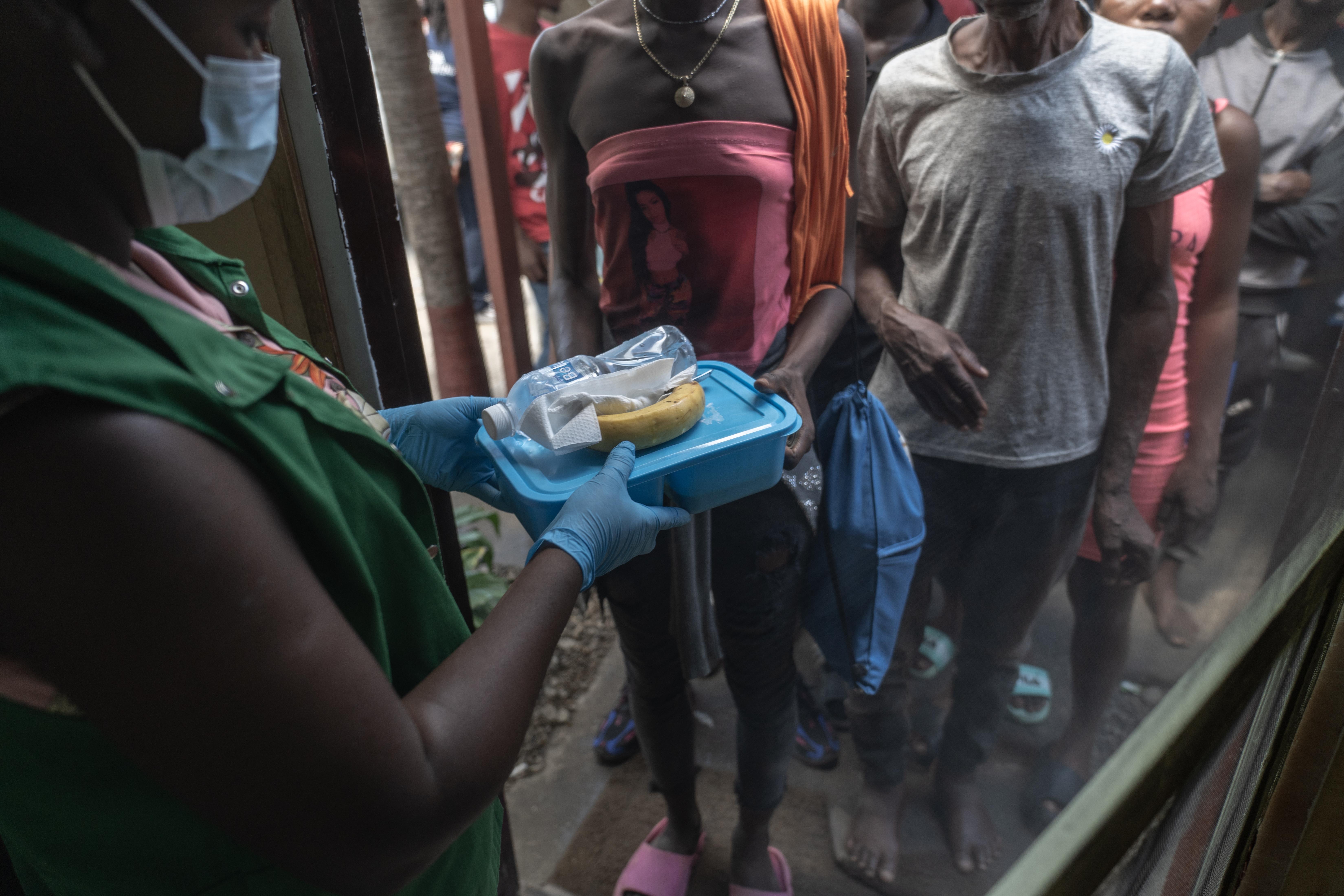
A recent food distribution event in Apopka, Florida, served approximately 500 households, underscoring the persistent challenge of food insecurity in Central Florida. Despite efforts to provide relief,
particularly around the Thanksgiving holiday, organizations like Second Harvest Food Bank of Central Florida report that nearly 650,000 people in their seven-county service area are food insecure. This figure includes over 178,000 children, representing about one in five kids. The U.S. Department of Agriculture defines food insecurity as the limited or uncertain availability of nutritionally adequate and safe foods. The need for food assistance has been described as 'rising' since the pandemic, with some individuals arriving hours, or even the night before, to secure a spot in distribution lines. Many food-insecure individuals, like 78-year-old Velma Clark, struggle with rising costs of living, such as rent increases, and find themselves in a gap where their income is too high to qualify for federal programs like the Supplemental Nutrition Assistance Program (SNAP), yet insufficient to cover basic needs.
Why It's Important?
The widespread food insecurity in Central Florida reflects a broader national issue where a significant portion of the population struggles to access adequate food. The fact that nearly half of all food-insecure people nationwide earn too much to qualify for SNAP, as reported by Feeding America, highlights a critical gap in federal assistance programs. This situation leaves many vulnerable individuals and families without a crucial safety net, forcing them to rely on charitable food distributions. The increasing demand for food assistance, as observed by local organizations, indicates that economic pressures and the rising cost of living are outpacing the ability of many households to maintain food stability. The ineligibility of approximately 17,000 children in Central Florida for SNAP benefits due to recent eligibility changes further exacerbates the problem, potentially leading to long-term health and developmental consequences for these children.
What's Next?
The ongoing challenge of food insecurity in Central Florida suggests a continued reliance on local food banks and community distribution events to meet immediate needs. Organizations like Second Harvest Food Bank will likely continue to see high demand for their services, necessitating sustained community support and volunteer efforts. There may be increased advocacy for policy changes at both state and federal levels to address the income thresholds for SNAP eligibility, aiming to include more working-poor families who currently fall through the cracks. Additionally, the decision by the USDA to halt its annual household survey on food insecurity could create a data gap, making it more challenging to accurately track the scope and trends of the problem, which might hinder effective policy responses and resource allocation in the future.
Beyond the Headlines
The chronic food insecurity in Central Florida points to deeper systemic issues beyond immediate food access. It highlights the growing economic precarity faced by many Americans, particularly seniors on fixed incomes and families struggling with stagnant wages against rising living costs. The 'SNAP gap,' where individuals earn too much for federal aid but too little to thrive, reveals a fundamental flaw in the current social safety net, suggesting that eligibility criteria may not be keeping pace with economic realities. This situation can lead to a cycle of poverty, impacting health outcomes, educational attainment, and overall community well-being. The reliance on charitable organizations, while vital, also raises questions about the long-term sustainability of such efforts and the need for more robust governmental solutions to ensure basic human needs are met for all citizens.