



What's Happening?
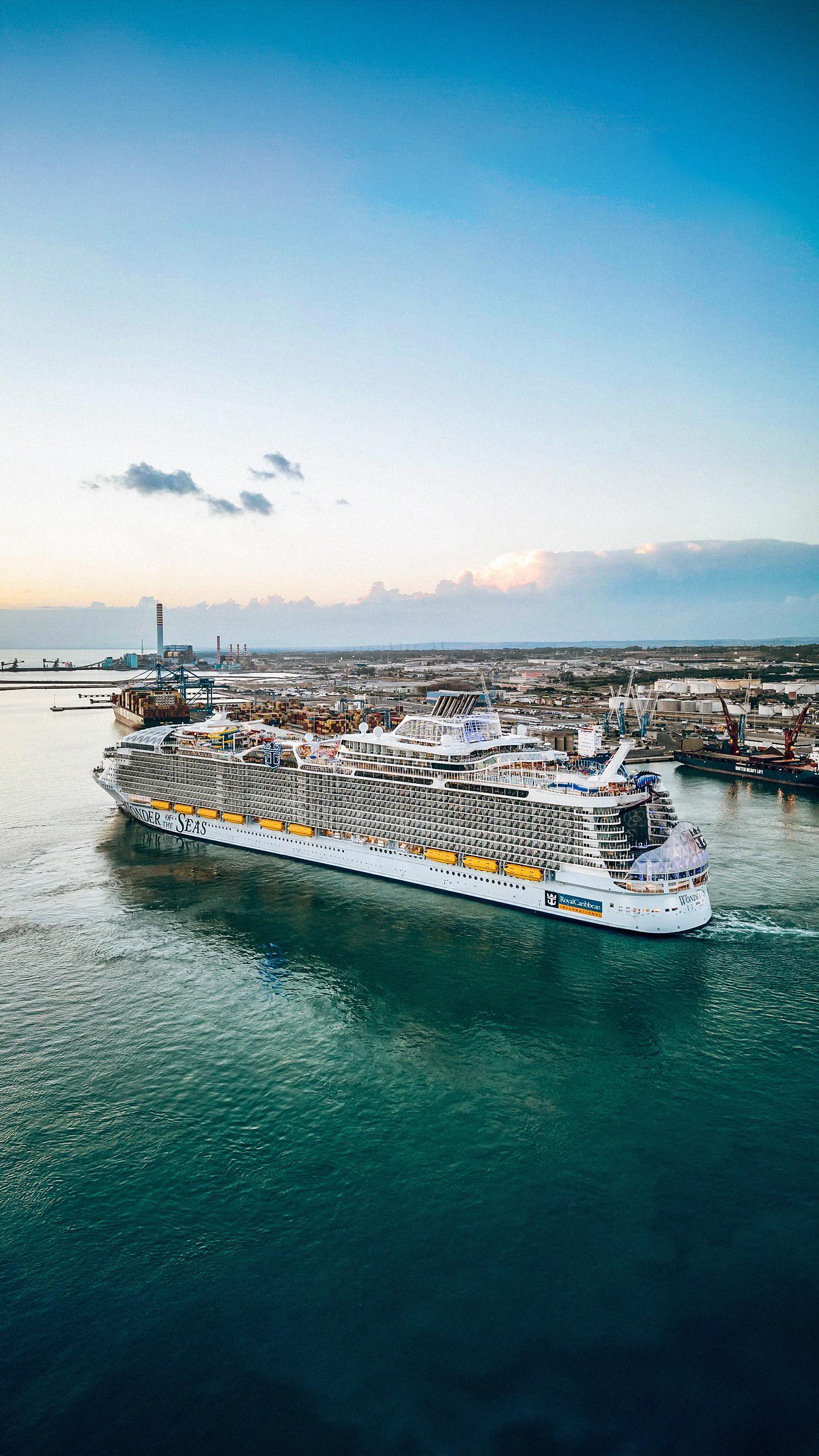
A pianist working aboard a Royal Caribbean cruise ship, Ovation of the Seas, was rescued by two fishermen after spending approximately nine hours treading water in the Pacific Ocean. The incident occurred
about 20 miles off the coast of Long Beach, California, near Catalina Island. Fishermen Sean Norton and Grant Garrett discovered the man while returning from a fishing trip. Upon his rescue, the man was transported to a local hospital and is reported to be in stable condition. The U.S. Coast Guard has initiated an investigation into how the individual went overboard from the cruise ship. This event follows other recent incidents involving passengers on cruise ships, including a separate case of a British woman who went missing from a cruise ship in the Atlantic.
Why It's Important?
This incident highlights ongoing safety concerns within the cruise line industry, particularly regarding passenger and crew safety at sea. The fact that a crew member was adrift for such an extended period before being discovered raises questions about onboard monitoring systems and response protocols for missing persons. For Royal Caribbean, a major player in the global cruise market, such events can impact public perception and potentially lead to increased scrutiny from maritime safety authorities. The survival of the pianist, potentially aided by unusually warmer ocean temperatures attributed to a 'super' El Niño, underscores the unpredictable nature of maritime incidents and the critical role of timely rescue efforts. The Coast Guard's investigation will be crucial in determining any systemic issues or individual circumstances that contributed to the event.
What's Next?
The U.S. Coast Guard's investigation will proceed to determine the circumstances surrounding how the Royal Caribbean pianist went overboard. This investigation will likely involve reviewing ship logs, surveillance footage, and interviewing crew members and witnesses to ascertain if any protocols were breached or if there were any contributing factors. Depending on the findings, Royal Caribbean may face recommendations or mandates to enhance safety procedures, particularly concerning crew welfare and overboard detection systems. The incident could also prompt broader discussions within the cruise industry about improving safety measures and emergency response for individuals falling overboard. Public and regulatory attention will remain on the outcome of the investigation and any subsequent actions taken by the cruise line or maritime authorities.
Beyond the Headlines
Beyond the immediate rescue, this event brings to light the often-overlooked vulnerabilities of cruise ship crew members. While passenger safety is frequently emphasized, the well-being of the thousands of individuals who work on these vessels can sometimes be less visible. The prolonged period the pianist spent in the water before rescue could prompt a deeper examination of crew monitoring systems, mental health support for onboard staff, and the effectiveness of 'man overboard' detection technologies. The incident also serves as a stark reminder of the vastness and unforgiving nature of the open ocean, where survival can often depend on sheer luck and the timely intervention of others. It may also reignite discussions about the legal responsibilities of cruise lines towards their employees in international waters.