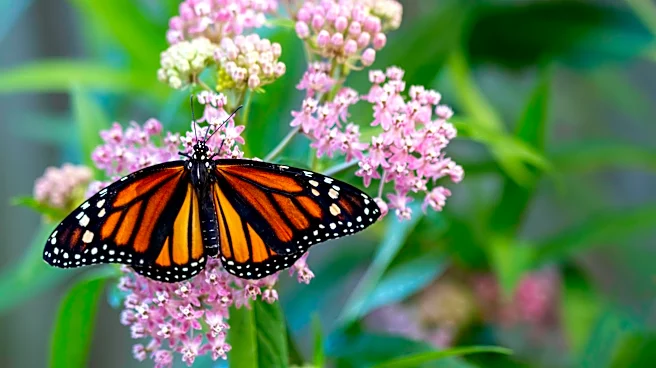










In late summer and fall, millions of monarch butterflies begin an epic journey of thousands of miles from the United States and Canada to the mountain forests of central Mexico.
And this year, more than a few will have gotten their start on Rachal Havens’
covered back porch.
The North Florida homeowner and her family have been playing host to nearly two dozen butterflies-to-be, gradually metamorphosing from caterpillars within chrysalises they create on the family’s property. Their choice of location, however, can sometimes feel quite questionable.
Here’s Havens with a tour of her place:
“We have found over 20 chrysalises in varying stages this fall!” Havens told The Dodo. “We have to let our children know where they are so they know not to disturb them. But honestly, it is a lot of us yelling, ‘Wait!’ before anyone sits down so we can make sure the seat is clear.”
Those chrysalises deemed to be too perilously placed are gently relocated indoors, where the butterflies can finish growing in peace.
After about one to two weeks, the fully formed butterflies will begin to emerge — drying their wings in the sun and sipping on nectar before beginning their journey.
But why do so many monarch butterflies pick the Havens’ residence as a nursery? There’s a good reason.
Monarch butterflies lay their eggs exclusively on milkweed plants, and it's their caterpillars’ sole food source. The plant is so essential to them, in fact, that removal of milkweed to make room for cropland or development has contributed to a worrying decline in monarch butterfly numbers.
Havens, however, is doing her part to help. She plants milkweed in her yard just for them.
“We started with five plants and have added some every year!” Havens said. “I 100 percent would encourage planting milkweed to anyone and everyone!”
And the reward the Havens get in return is a sight worthy of no less than royalty.