






While many people may be disappointed that summer has come to an end, there are some things the season brings that everyone is happy to leave behind, like ticks. Most people assume summer marks the end of tick season and the start of a safer time, especially
for pets.
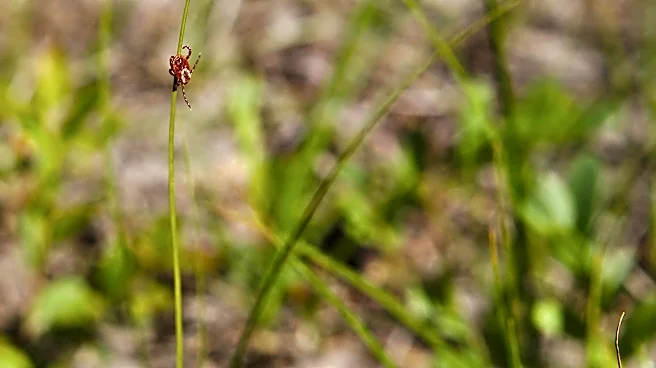
Unfortunately, thanks to the lone star tick, that isn’t actually the case. Lone star ticks are most active in the fall and pose an arguably greater risk to your pets than deer ticks.
“Unlike many other tick species that wait for a passing host, lone star ticks actively seek out pets, moving through lawns and brush to find them,” Dr. Jen Quammen, the president of American Veterinary Medical Association (AVMA), told The Dodo. “That puts dogs at risk for serious infections like ehrlichiosis and Rocky Mountain spotted fever — and pets can also carry ticks into the house, putting the rest of the family at risk too.”
The lone star tick is a seasonal threat that comes around every year, but this year seems to be worse than usual. CDC data recently showed that tick-bite-related ER visits have hit an all-time high. People and their pets across the country are susceptible, no matter where you live.
“The lone star tick has traditionally been concentrated in the Southeast and south-central United States, but its range has been expanding into the Northeast, Midwest and even parts of the West in recent years,” Dr. Quammen said. “Pet owners everywhere should check with their veterinarian about local tick activity rather than assume they're in the clear.”
Despite the increased threat, hope isn’t lost. AVMA has developed guidelines for keeping pets safe, no matter how much time they spend outside.
- Check your pets daily after they’ve spent time outside, especially if they’ve been in wooded or grassy areas, and check human family members, too.
- Use tick preventatives year-round, not just in the summertime.
- Remove ticks properly. To do this, you must “grip close to the skin with tweezers and pull straight out, and skip home remedies like alcohol or hot matches. After removing the tick, clean the area with soap and water or an alcohol wipe,” according to Dr. Quammen.
- Keep your yard tick-free by mowing the lawn, trimming brush, clearing leaves and keeping a buffer between lawns and wooded areas.
- Consult your veterinarian for more tips and advice specific to your pet.
The threat of ticks can be scary, but with the right knowledge and prep, owners and their pets can sail through the rest of tick season incident free.