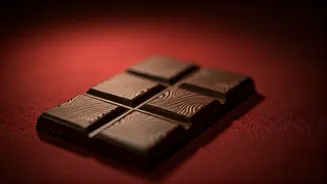










Chocolate Day 2026 will be observed on Monday, 9 February. It falls during Valentine’s Week, after Propose Day (8 February) and before Teddy Day (10 February).
It is the third day of Valentine’s Week, a seven-day romantic celebration leading up to Valentine’s Day on 14 February. Chocolate Day focuses on giving chocolate gifts, sharing experiences, and using symbolic sweetness to express love.
Brief history of chocolate
Chocolate has existed for thousands of years, although the tradition of celebrating Chocolate Day is relatively recent, having grown alongside international Valentine’s Week festivities. The Olmecs, Mayans, and Aztecs were among the first civilisations in Mesoamerica to use cacao around 3,000 years ago.
Cacao was consumed as a bitter drink in these ancient societies and was often used for ceremonial and religious purposes. Spain introduced chocolate to Europe in the 16th century. By adding sugar to the bitter cacao, Europeans helped transform it into the sweet confection we know today.
Chocolate later became associated with celebrations, indulgence, and luxury. During the Victorian era, giving chocolate emerged as an acceptable and thoughtful way of expressing love and gratitude, particularly between romantic partners.
Chocolate Day itself is believed to have originated in the United States in the 1990s. It may have been created to encourage people to indulge in their favourite chocolate treats during Valentine’s Week.
Significance of Chocolate Day
Chocolate Day serves several emotional and cultural purposes:
- Symbol of sweetness: The sweetness of chocolate symbolises affection, warmth, and care.
- Emotional expression: Giving chocolates can help convey feelings that may be difficult to put into words.
- Shared happiness: Sharing chocolate can strengthen bonds and create a sense of togetherness.
- Universal appeal: Chocolate is widely enjoyed across ages and cultures, making it a broadly recognised token of appreciation.
Why chocolate symbolises love
Chocolate is linked with love for both cultural and psychological reasons. Biochemically, cocoa contains compounds that may help improve mood by stimulating the release of “feel-good” chemicals such as dopamine and serotonin.
This effect enhances its cultural reputation as a romantic gift. Chocolate has featured prominently in popular culture, poetry, and affectionate social customs for generations.
Over time, chocolate has come to symbolise love, comfort, and emotional warmth because of its pleasurable qualities and long history as a delicacy shared between friends and loved ones. As a result, it remains a fitting symbol during Valentine’s Day celebrations.
Chocolate Day also highlights the variety of chocolate available, which differs according to processing methods and cocoa content. The five primary types of chocolate are dark chocolate, milk chocolate, white chocolate, compound chocolate, and artisan chocolate.