




What is the story about?
Muslims around the world will soon begin observing Ramadan, the holiest month in Islam. The period is marked by daily fasting, prayer, reflection and charity. It is both a deeply spiritual time and a season of community gatherings.
What Is Ramadan?
Ramadan is the ninth month of the Islamic lunar calendar. Because the Islamic calendar follows the moon cycle, the month shifts each year and moves through different seasons.
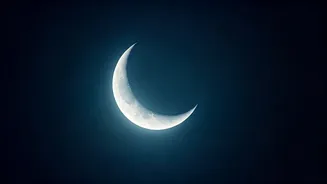
The start of Ramadan traditionally depends on the sighting of the crescent moon. This year, the first day is expected on or around February 18 or 19, though the exact date may vary between countries and Muslim communities. Different Islamic authorities may announce different start dates based on moon sighting or calculation methods, AP reported.
Ramadan will be followed by the Islamic festival of Eid al-Fitr, which marks the end of fasting.
Fasting: One of the Five Pillars of Islam
Fasting during Ramadan is one of the Five Pillars of Islam, along with the declaration of faith, daily prayers, charity and pilgrimage to Mecca.
From dawn to sunset, Muslims abstain from all food and drink — including water. The fast is broken at sunset with a meal known as iftar. Before dawn, many eat a pre-fast meal called suhoor to prepare for the day ahead.
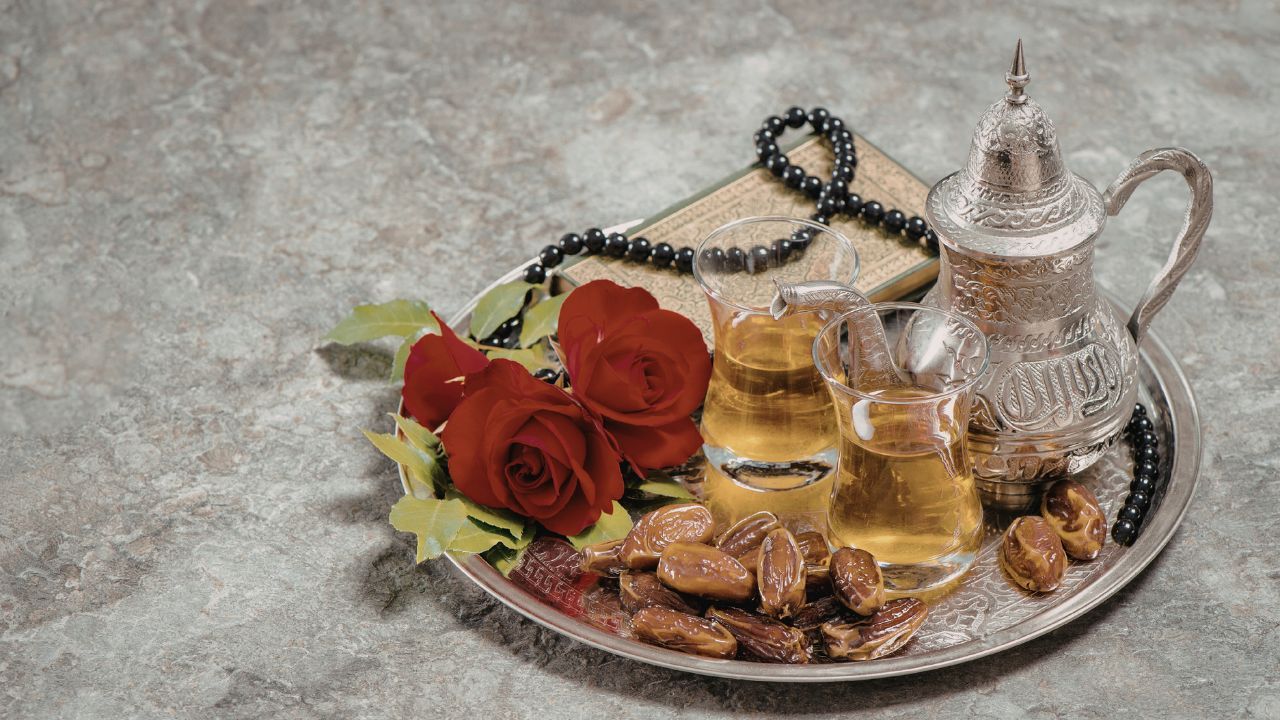
Muslims believe fasting helps build self-discipline, gratitude and empathy for those in need. It is seen as an act of worship and submission to God.
Prayer and Quran Recitation
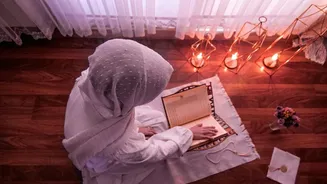
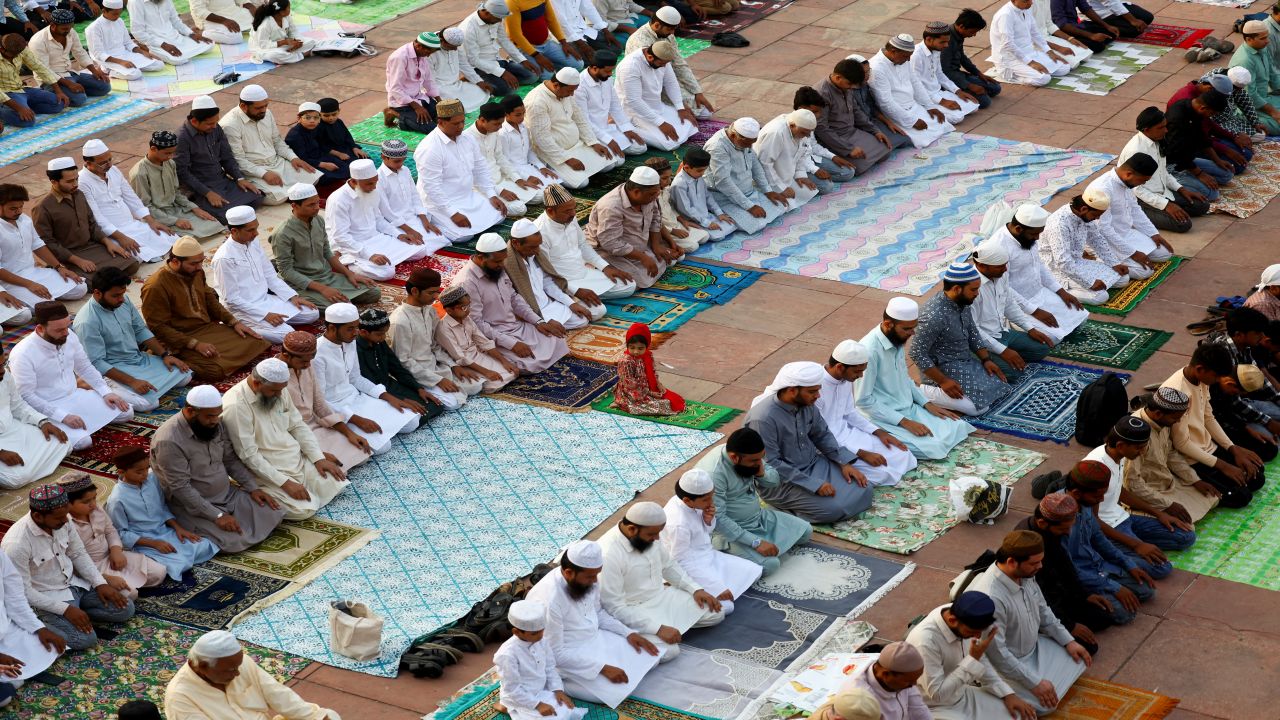
Ramadan is a time of increased devotion. Many Muslims attend special congregational prayers at mosques and spend more time reading the Quran, Islam’s holy book. Nights during Ramadan are often filled with extended prayers and reflection.
Charity and Giving
Charity is a key part of Ramadan. As AP noted, many Muslims provide iftar meals for the poor, distribute food boxes with essential items, and organise free community meals. Giving is seen as a way to support vulnerable families and strengthen social bonds.
Who Is Exempt From Fasting?
Certain groups are exempt from fasting. These include people who are ill, travelling, elderly, pregnant or otherwise unable to fast. Those who miss fasts due to temporary illness or travel are expected to make up the days later.
Ramadan and Other Faith Traditions
This year, Ramadan is expected to begin around the same time as Ash Wednesday, which marks the start of Lent for Catholics and many other Christians. Both periods are associated with fasting and spiritual reflection.
Cultural Traditions Around the World
While fasting and prayer are religious obligations, many Ramadan customs are cultural and vary by country.
Egypt
In Egypt, Ramadan has a festive atmosphere. Colourful lanterns decorate homes and streets. A traditional figure known as the “mesaharati” walks through neighbourhoods before dawn, beating a drum to wake people for suhoor. Television series and special programmes are also popular during the month.
Indonesia
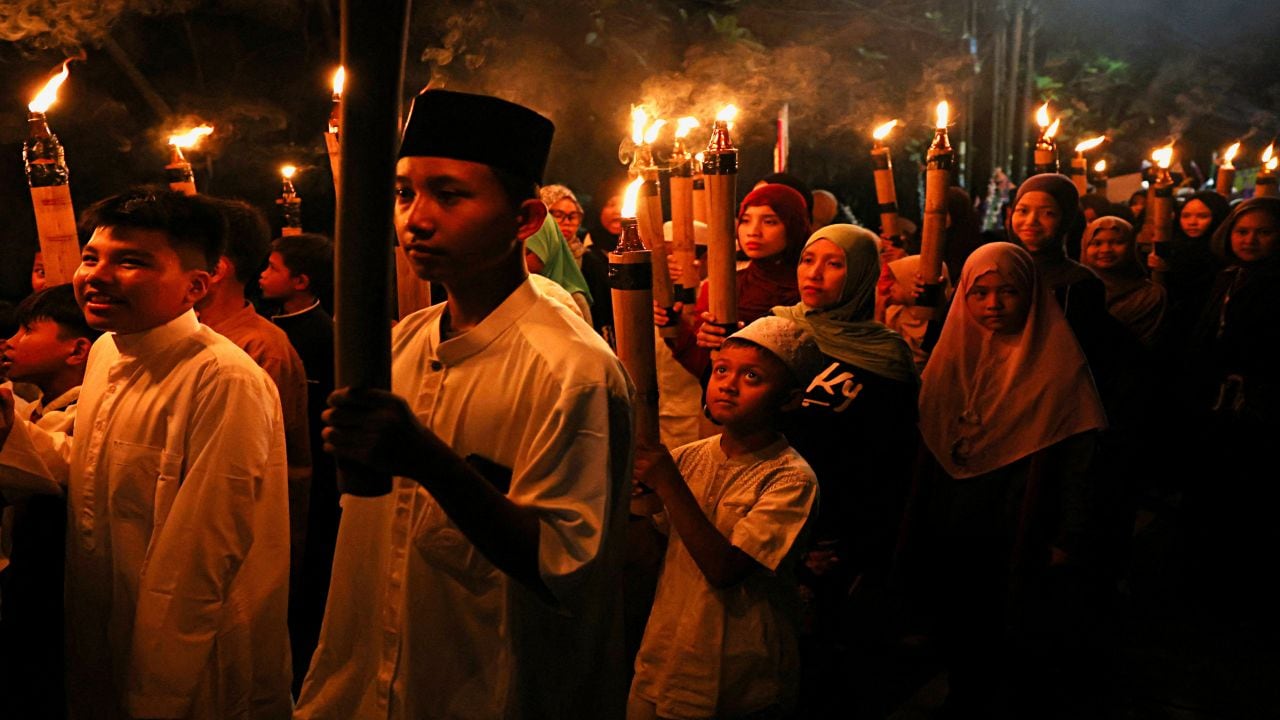
In Indonesia, traditions differ by region. In Aceh province, families observe “Meugang” by preparing and sharing meat with relatives and the poor. In Tangerang, near Jakarta, residents gather at the Cisadane River for symbolic cleansing rituals before Ramadan. In parts of Sumatra, children parade with torches after evening prayers.
United States
In the United States, Muslims form a diverse minority. Many gather at mosques and Islamic centres for iftar and prayers. Interfaith iftar events are also organised in some communities to promote understanding.
Commercialisation Debate
In some regions, there are concerns that Ramadan is becoming too commercial, with heavy spending on decorations, television shows and large iftar banquets. Others argue that celebrations and social rituals, when kept moderate, are part of the month’s festive spirit.
A Month of Faith and Community
At its core, Ramadan remains a time for spiritual growth, self-restraint and compassion. While traditions may differ across cultures, the shared experience of fasting from dawn to sunset unites Muslims worldwide in worship and reflection.
What Is Ramadan?
Ramadan is the ninth month of the Islamic lunar calendar. Because the Islamic calendar follows the moon cycle, the month shifts each year and moves through different seasons.
The start of Ramadan traditionally depends on the sighting of the crescent moon. This year, the first day is expected on or around February 18 or 19, though the exact date may vary between countries and Muslim communities. Different Islamic authorities may announce different start dates based on moon sighting or calculation methods, AP reported.
Ramadan will be followed by the Islamic festival of Eid al-Fitr, which marks the end of fasting.
Fasting: One of the Five Pillars of Islam
Fasting during Ramadan is one of the Five Pillars of Islam, along with the declaration of faith, daily prayers, charity and pilgrimage to Mecca.
From dawn to sunset, Muslims abstain from all food and drink — including water. The fast is broken at sunset with a meal known as iftar. Before dawn, many eat a pre-fast meal called suhoor to prepare for the day ahead.
Image: Canva
Muslims believe fasting helps build self-discipline, gratitude and empathy for those in need. It is seen as an act of worship and submission to God.
Prayer and Quran Recitation
Ramadan is a time of increased devotion. Many Muslims attend special congregational prayers at mosques and spend more time reading the Quran, Islam’s holy book. Nights during Ramadan are often filled with extended prayers and reflection.
Image: Reuters
Charity and Giving
Charity is a key part of Ramadan. As AP noted, many Muslims provide iftar meals for the poor, distribute food boxes with essential items, and organise free community meals. Giving is seen as a way to support vulnerable families and strengthen social bonds.
Who Is Exempt From Fasting?
Certain groups are exempt from fasting. These include people who are ill, travelling, elderly, pregnant or otherwise unable to fast. Those who miss fasts due to temporary illness or travel are expected to make up the days later.
Ramadan and Other Faith Traditions
This year, Ramadan is expected to begin around the same time as Ash Wednesday, which marks the start of Lent for Catholics and many other Christians. Both periods are associated with fasting and spiritual reflection.
Cultural Traditions Around the World
While fasting and prayer are religious obligations, many Ramadan customs are cultural and vary by country.
Egypt
In Egypt, Ramadan has a festive atmosphere. Colourful lanterns decorate homes and streets. A traditional figure known as the “mesaharati” walks through neighbourhoods before dawn, beating a drum to wake people for suhoor. Television series and special programmes are also popular during the month.
Indonesia
In Indonesia, traditions differ by region. In Aceh province, families observe “Meugang” by preparing and sharing meat with relatives and the poor. In Tangerang, near Jakarta, residents gather at the Cisadane River for symbolic cleansing rituals before Ramadan. In parts of Sumatra, children parade with torches after evening prayers.
Image: Reuters
United States
In the United States, Muslims form a diverse minority. Many gather at mosques and Islamic centres for iftar and prayers. Interfaith iftar events are also organised in some communities to promote understanding.
Commercialisation Debate
In some regions, there are concerns that Ramadan is becoming too commercial, with heavy spending on decorations, television shows and large iftar banquets. Others argue that celebrations and social rituals, when kept moderate, are part of the month’s festive spirit.
A Month of Faith and Community
At its core, Ramadan remains a time for spiritual growth, self-restraint and compassion. While traditions may differ across cultures, the shared experience of fasting from dawn to sunset unites Muslims worldwide in worship and reflection.