




What's Happening?
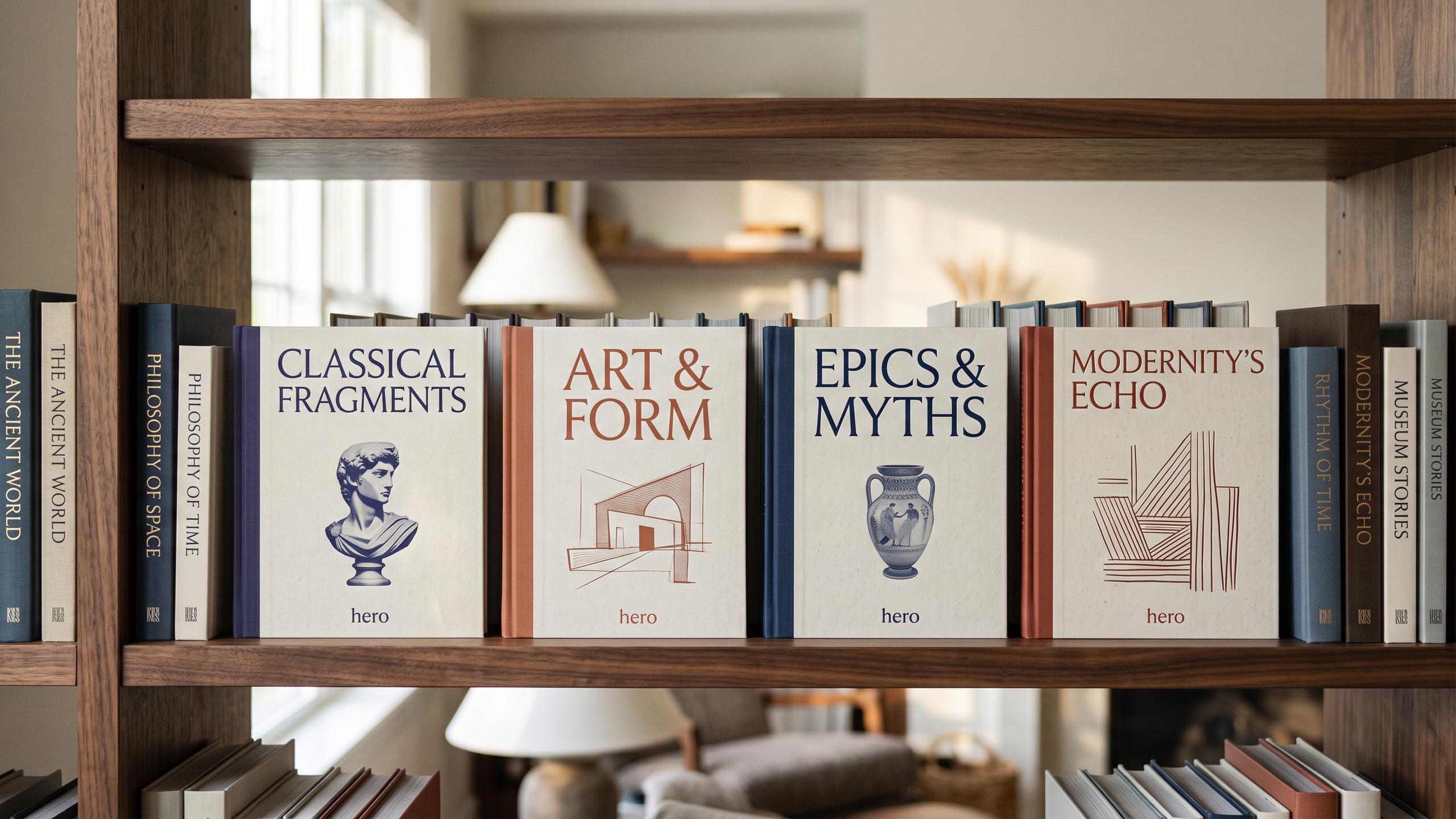
A noticeable trend in cover design for literary fiction involves the incorporation of fine art, a practice that elevates the reader's sense of self-curation and merges the worlds of art and literature.
This trend signals a stylish reader who values the aesthetic of their collection as much as its content. While paintings on covers are not new, the current approach differs in its treatment: full cover art is juxtaposed with striking typography. Historically, paintings on covers were central to the narrative or accurately portrayed a character. Now, they are stylized, sometimes creating a jarring contrast. Ottessa Moshfeg’s 2018 novel, 'My Year of Rest and Relaxation,' with its cover featuring Jacques-Louis David's 1798 'Portrait of a Young Woman in White' paired with bold pink type, is often credited with jumpstarting this trend, becoming a viral sensation on BookTok.
Why It's Important?
This trend significantly impacts the U.S. publishing industry and consumer behavior. In a highly digital and social-media-driven world, books have evolved beyond mere text to become lifestyle objects, serving as signifiers of intellect, taste, and aesthetics. Book covers, traditionally important for market positioning and promotion, are now essential in the aestheticization of personal libraries. This shift influences purchasing decisions, particularly among readers who curate their online selves through their literary choices. Publishers and designers must adapt to this demand for visually appealing and art-integrated covers to capture market attention and cater to a readership that values both content and presentation. The trend also highlights the power of social media platforms like BookTok in driving cultural phenomena and influencing consumer trends.
What's Next?
The integration of fine art into book cover design is likely to continue and evolve, with publishers exploring new ways to merge visual art with literary works. We can anticipate more collaborations between artists and designers, leading to innovative and aesthetically driven book covers. The influence of social media platforms will remain crucial, as viral trends can rapidly elevate certain design styles and authors. This may lead to a greater emphasis on the visual appeal of books in marketing campaigns and a continued focus on how books function as decorative elements in personal spaces. The trend could also inspire other creative industries to explore similar cross-medium integrations, further blurring the lines between art, literature, and lifestyle.
Beyond the Headlines
This trend reflects a deeper cultural phenomenon where personal identity is increasingly expressed through curated aesthetics, both online and offline. The 'aestheticization of personal libraries' suggests a shift from purely functional consumption to an experience-driven one, where objects are chosen for their symbolic and visual value. This could lead to a re-evaluation of what constitutes 'art' and 'literature,' as their boundaries become more fluid. Ethically, it raises questions about the commodification of art and whether its original intent is preserved when repurposed for commercial covers. Culturally, it underscores the power of visual culture in shaping perceptions and preferences, and how digital platforms amplify these shifts, creating new avenues for artistic appreciation and literary engagement.