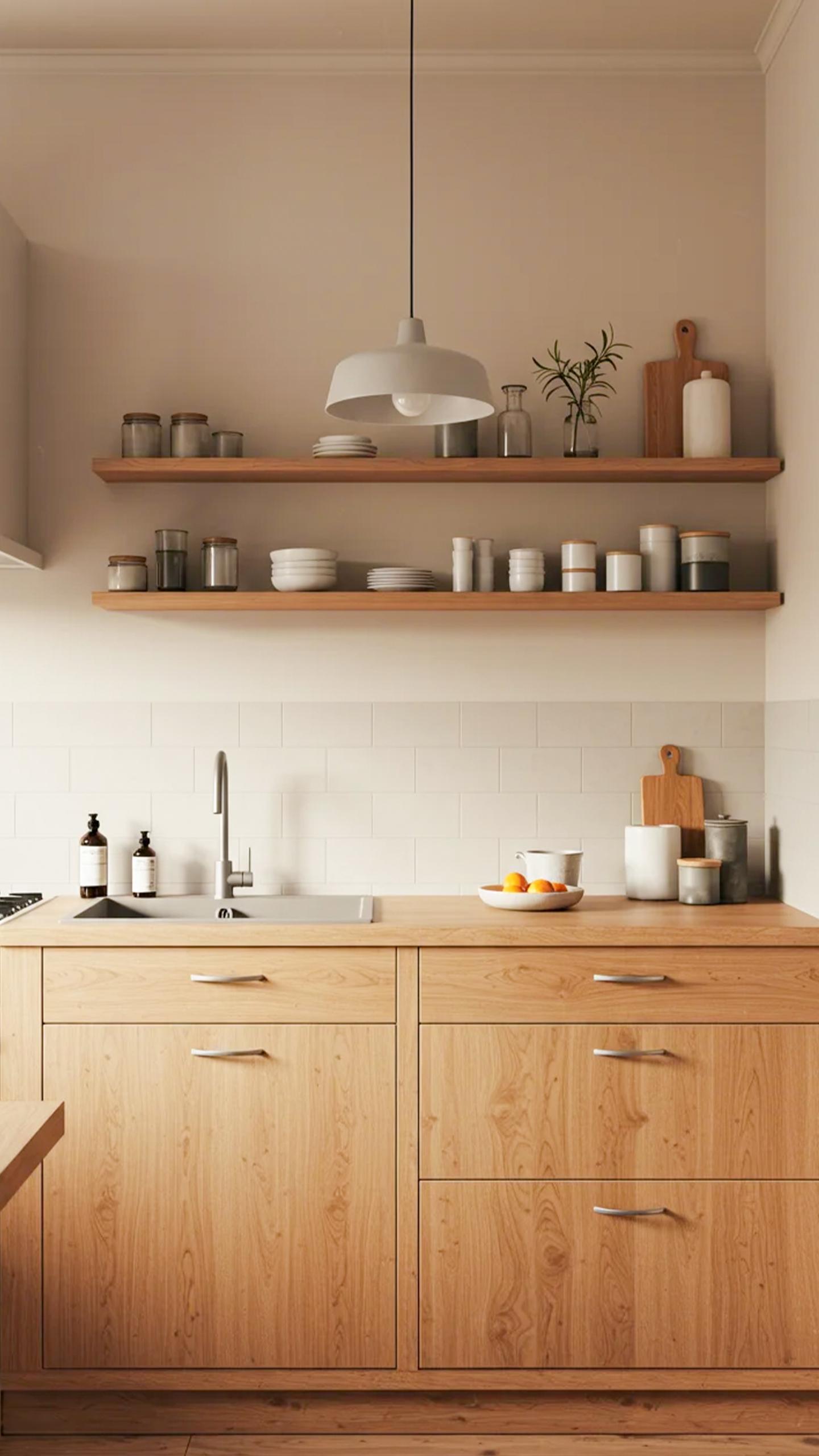




What's Happening?
A new design trend, dubbed the 'cortado kitchen,' is gaining traction in U.S. home decor, poised to replace the long-standing popularity of all-white kitchens. This trend, highlighted by writers at Real
Simple, draws inspiration from the Spanish coffee drink, combining lighter cream shades with deep coffee tones. The shift reflects a growing desire among homeowners for more personality and warmth in their living spaces, moving away from the sterile feel of purely white interiors. The cortado kitchen heavily incorporates rich brown hues, balanced with cream tones to maintain a sense of lightness and approachability. This palette is seen across various design sectors, including fashion, makeup, and interior design, with brown being recognized as a warm, luxurious, and cozy neutral. Professional designers and homeowners are adopting this easy-to-implement design scheme, often by painting or staining cabinets to a deep brown and complementing them with lighter countertops or backsplashes. The trend emphasizes matching undertones within the chosen colors to ensure a cohesive and modern look, advising against orange undertones in browns for a contemporary feel.
Why It's Important?
This emerging 'cortado kitchen' trend signifies a notable shift in U.S. interior design preferences, moving away from minimalist, Scandinavian, and modern farmhouse aesthetics that favored all-white spaces. The embrace of warmer, richer tones like brown and cream indicates a broader cultural desire for comfort, coziness, and personalization within the home environment. For the U.S. home decor and renovation industries, this trend will likely drive demand for specific paint colors, wood stains, and material finishes that align with the cortado palette. Manufacturers of kitchen cabinets, countertops, and decorative elements may need to adjust their product offerings to cater to this evolving consumer taste. Retailers selling home goods, from textiles to hardware, could see increased sales in items featuring brown, cream, and complementary natural textures. This shift also impacts real estate, as updated kitchens are a significant selling point; homes featuring the cortado aesthetic might appeal more to prospective buyers seeking modern warmth. The trend suggests a move towards more 'emotional and experiential' home design, where the kitchen reclaims its role as a social center, benefiting businesses that can provide materials and services to facilitate this transformation.
What's Next?
The 'cortado kitchen' trend is expected to continue its ascent, influencing product development and marketing strategies within the U.S. home design sector. Consumers can anticipate a wider availability of paint colors, finishes, and decor items in brown and cream palettes. Design professionals will likely integrate these tones into their projects, further solidifying the trend's presence in residential and commercial spaces. Manufacturers of kitchen appliances and fixtures may also begin to offer options that complement this warmer aesthetic, moving beyond traditional stainless steel or white. As the trend matures, there may be variations and adaptations, with designers exploring different undertones and complementary colors to keep the style fresh. Homeowners considering renovations will increasingly encounter this aesthetic as a popular and stylish alternative to the previously dominant all-white kitchen. The longevity of this trend will depend on its ability to evolve and adapt to future consumer preferences, but for now, it signals a clear direction in U.S. interior design.
Beyond the Headlines
The shift from all-white kitchens to the 'cortado kitchen' trend reflects deeper societal and psychological implications. The long reign of white kitchens, often associated with cleanliness, simplicity, and modernity, may have inadvertently contributed to a sense of detachment or lack of warmth in living spaces. The move towards richer, earthier tones like brown and cream suggests a collective yearning for comfort, security, and a more grounded connection to nature, especially in an increasingly digital and fast-paced world. This trend could be seen as a form of 'nesting,' where individuals seek to create more inviting and emotionally resonant environments within their homes. Ethically, this shift might encourage more sustainable practices if it leads to the use of natural materials and finishes that align with the earthy palette. Culturally, it marks a departure from a purely minimalist aesthetic towards one that embraces a more layered and textured approach to design, potentially influencing other areas of lifestyle and consumption beyond just kitchen decor. The 'cortado kitchen' is not just a color scheme; it's a reflection of evolving values and desires for a more comforting and personalized domestic experience.