



What's Happening?
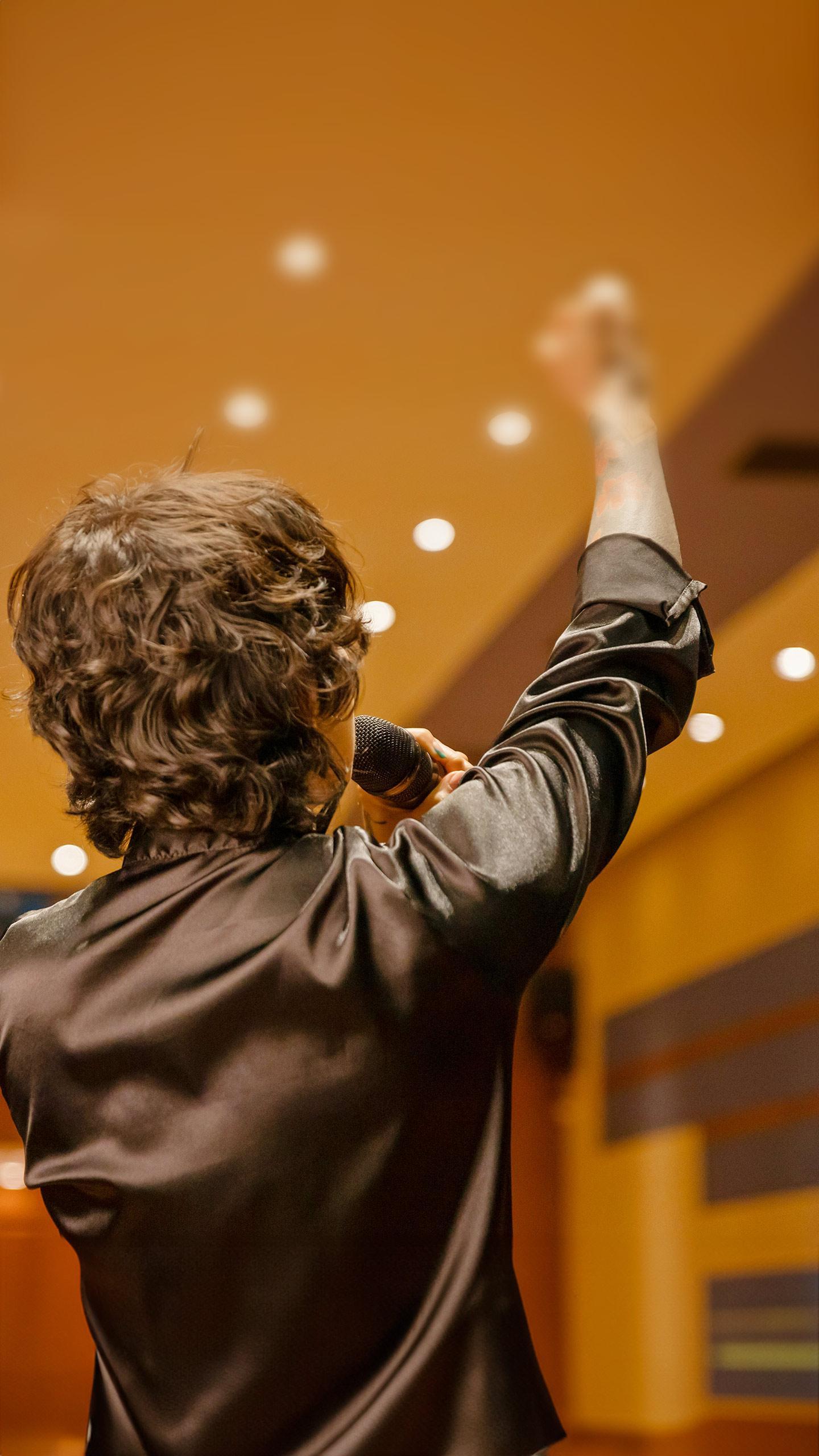
Professors at Western University are incorporating parodies of popular songs by artists like Taylor Swift and Ed Sheeran into their lectures to make course material more engaging and foster in-person connections
with students. Derek McLachlin, an assistant professor of biochemistry, has gained social media attention for transforming songs into lessons on metabolism and DNA. He views this approach as a tool to effectively convey information rather than a pursuit of fame. Similarly, Wes Kinghorn, a geography and environment professor, uses songs like Bobby Darin's 'Mack the Knife' to set the mood for lessons on topics such as Las Vegas. John Reed, a media studies professor, also experimented with a parody of Queen's 'We Will Rock You' to teach about communication ages. These professors believe that music and humor create a more interactive and memorable learning environment, encouraging students to participate more actively in discussions and retain information better.
Why It's Important?
This innovative teaching method highlights a growing trend in education to combat disengagement and enhance learning outcomes, particularly in an era dominated by digital information and artificial intelligence. By making lectures more dynamic and relatable, professors aim to create a unique in-person experience that AI bots cannot replicate, fostering genuine connections between educators and students. This approach could serve as a model for other educational institutions seeking to improve student participation and comprehension. The use of popular culture references, such as well-known songs, can bridge the gap between academic subjects and students' everyday lives, making complex topics more accessible and enjoyable. The positive student feedback, with some reporting that the songs help them study and recall information during exams, underscores the potential effectiveness of such creative pedagogical strategies.
What's Next?
While some professors, like John Reed, may not continue using singing in future lectures, the success and positive reception of these methods suggest a potential for broader adoption within Western University and possibly other educational institutions. The viral attention received by professors like Derek McLachlin could inspire more educators to explore unconventional teaching techniques. Universities might consider offering workshops or resources to faculty interested in integrating creative elements, such as music, into their curricula. The ongoing challenge of maintaining student engagement in an increasingly digital world could lead to further innovations in classroom instruction, with a focus on interactive and personalized learning experiences that leverage various forms of media and artistic expression.
Beyond the Headlines
The integration of music into academic lectures touches upon deeper implications regarding the evolution of teaching and learning in the 21st century. It challenges traditional pedagogical norms by demonstrating that entertainment can be a powerful vehicle for education, rather than a distraction. This approach also underscores the importance of human connection and creativity in an educational landscape increasingly influenced by technology. As AI tools become more sophisticated, the unique ability of human educators to inspire, connect, and adapt their teaching methods in creative ways becomes even more valuable. This trend could lead to a re-evaluation of what constitutes effective teaching, emphasizing the role of personality, passion, and innovative delivery in fostering a rich learning environment.