
What's Happening?
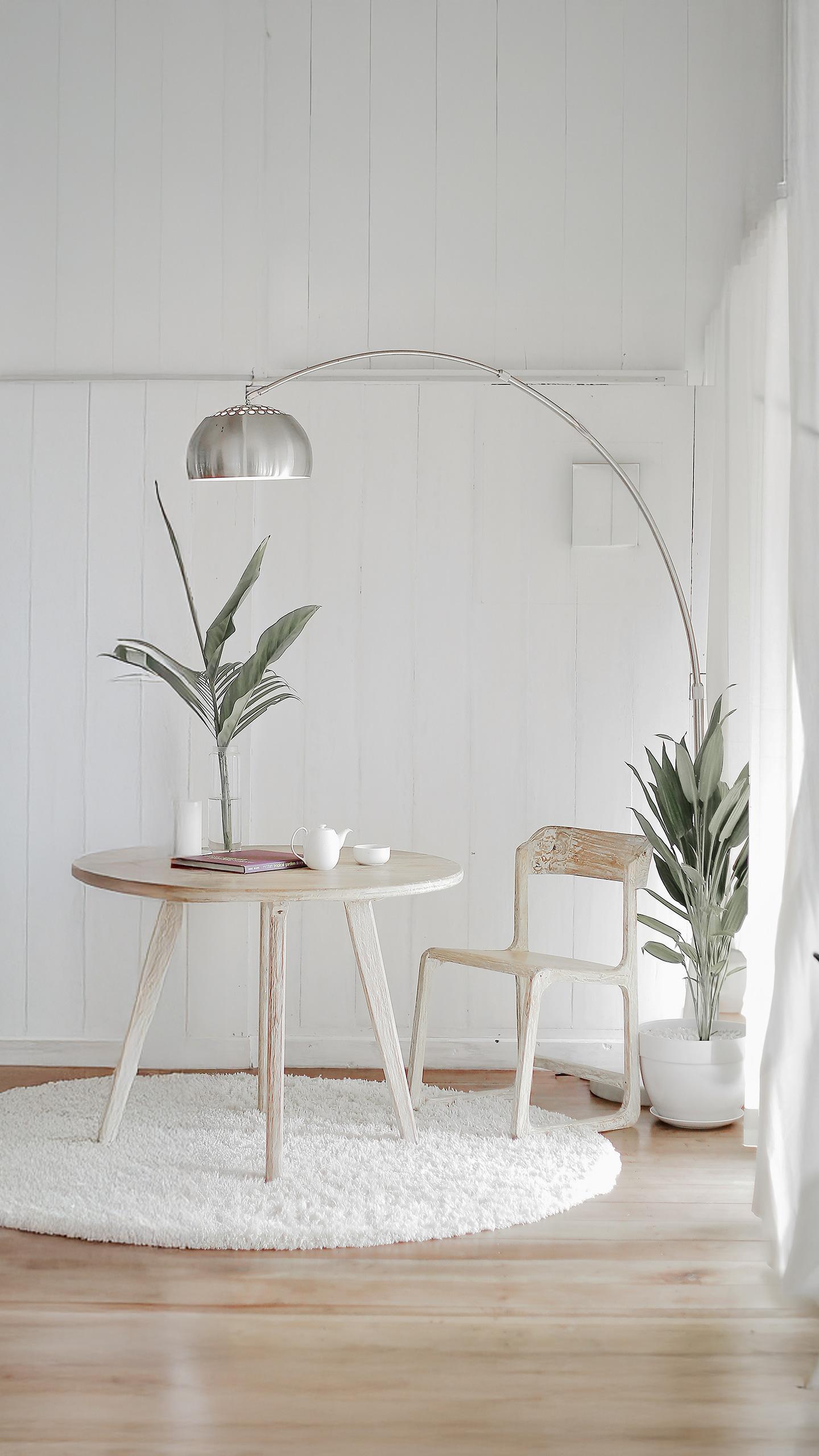
Scandinavian minimalism is a design philosophy that prioritizes natural textures, light, and a functional approach to decorating. This style, which has gained popularity in interiors, focuses on creating
a sense of calm and order through simple shapes and clean lines. It encourages homeowners to first declutter and remove unnecessary items before adding new ones. Key aspects include prioritizing functionality over showiness, ensuring light-filled and airy spaces, and utilizing light, neutral colors alongside Nordic dark hues for depth. The design often incorporates natural materials like wood, showcasing its grain and organic lines, and emphasizes tactile fabrics and wooden accents to add dimension and effortlessness to rooms. Geometric interior design, with its simple shapes and clean lines, is a common expression of Scandinavian minimalism, adaptable to various rooms, particularly living rooms, bedrooms, and hallways due to their high visibility.
Why It's Important?
The growing popularity of Scandinavian minimalism in the U.S. interior design market reflects a broader consumer shift towards functional, uncluttered, and aesthetically pleasing living spaces. This trend impacts furniture manufacturers, home decor retailers, and interior designers, who must adapt their offerings to meet demand for natural materials, minimalist aesthetics, and versatile pieces. The emphasis on light and neutral colors, combined with natural textures, can influence paint sales, textile production, and the market for sustainable home goods. For consumers, this style offers a way to create serene and organized environments, potentially reducing stress and enhancing well-being. The focus on decluttering and thoughtful selection of items also promotes a more conscious consumption approach, which could have long-term implications for the retail sector by favoring quality and longevity over transient trends.
What's Next?
The continued integration of Scandinavian minimalist principles into U.S. home design is expected to drive innovation in furniture and decor. Manufacturers may further explore sustainable and natural materials, while retailers could expand their collections of functional, multi-purpose items. The trend's adaptability suggests it will continue to evolve, potentially incorporating more personalized elements while retaining its core principles of simplicity and functionality. Interior designers will likely see increased demand for creating spaces that embody this aesthetic, focusing on optimizing natural light and incorporating subtle textures. Educational resources and DIY guides for achieving Scandinavian minimalist looks are also likely to proliferate, empowering more homeowners to adopt this style. The market for geometric wall panels and other architectural elements that align with this aesthetic is also poised for growth.
Beyond the Headlines
Beyond its aesthetic appeal, Scandinavian minimalism reflects a deeper cultural shift towards intentional living and a rejection of excessive consumerism. The emphasis on functionality and durability over fleeting trends aligns with growing environmental consciousness and a desire for more sustainable lifestyles. This design philosophy can influence psychological well-being by fostering calm and reducing visual clutter, which can contribute to a more peaceful home environment. Legally and ethically, the demand for natural and sustainably sourced materials could push industries towards more transparent supply chains and responsible manufacturing practices. Culturally, it represents a fusion of practicality and beauty, suggesting a broader appreciation for design that serves both form and purpose, moving away from purely decorative or status-driven consumption.