
What's Happening?
Motorized blinds are gaining traction in office settings as a solution to enhance comfort, reduce glare, and potentially lower energy costs. These blinds integrate a small motor into the roller tube, allowing
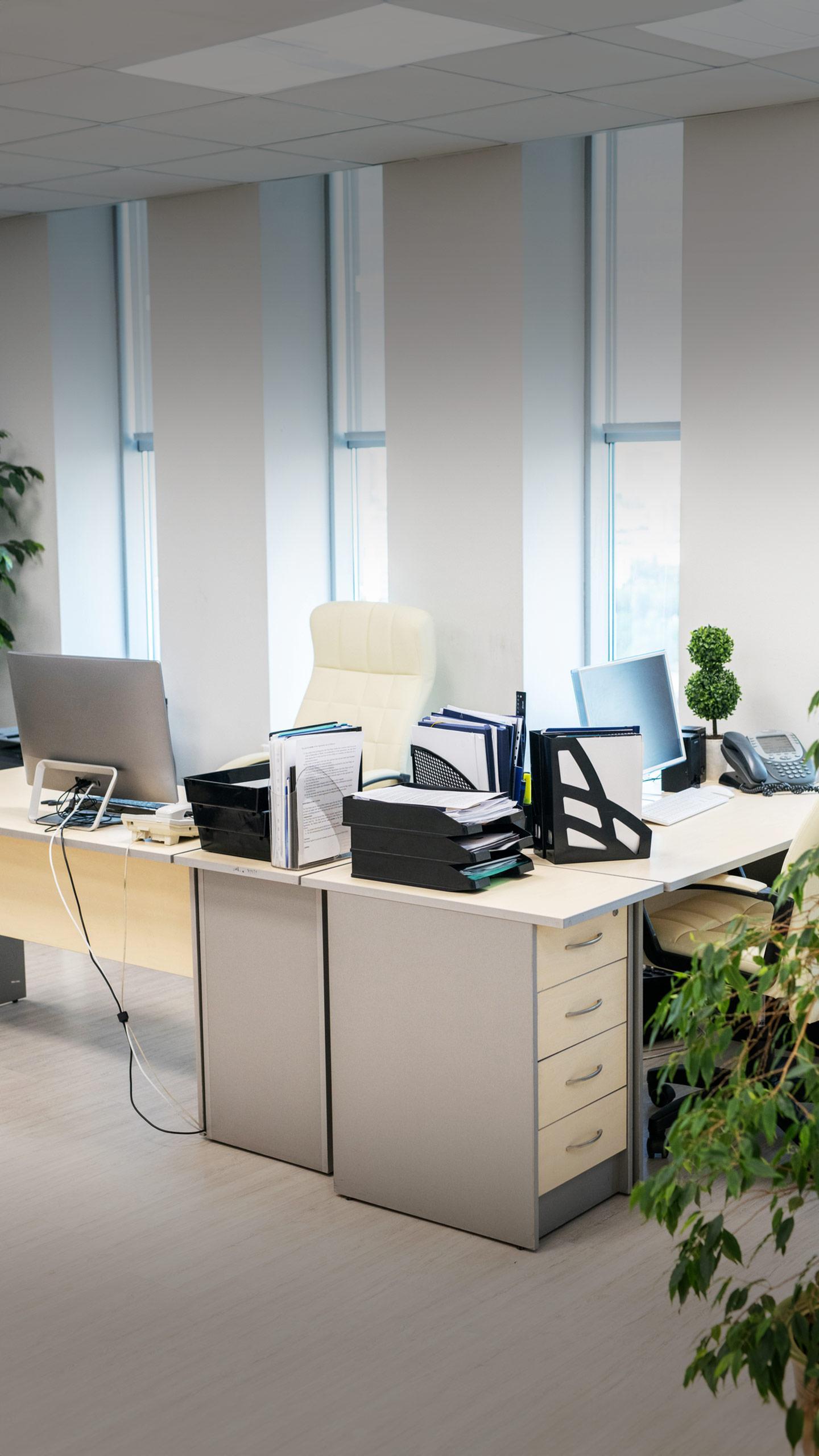
for operation via remote control, wall switch, smartphone app, or scheduled automation, eliminating the need for manual cords or chains. Research from Lawrence Berkeley National Laboratory’s FLEXLAB indicates that a combined system of automated interior shading and advanced lighting controls can significantly cut lighting energy by 49% to 76% and summer cooling loads by 19% to 38%. While these results are from a combined system, they suggest that smart shading can contribute to energy efficiency. Motorized blinds offer benefits such as a cleaner aesthetic due to the absence of cords, consistent positioning across multiple windows, and easier adjustment for tall or hard-to-reach windows. They are particularly beneficial in meeting rooms for presentations, large windows, west- and north-facing offices with strong sun exposure, and shared open-plan areas where consistent settings are preferred.
Why It's Important?
The adoption of motorized blinds in offices represents a significant step towards creating more energy-efficient and comfortable work environments. By automating window coverings, businesses can better manage natural light and temperature, directly impacting employee well-being and productivity. Reduced glare on screens can alleviate eye strain and improve focus, while better temperature control can lead to a more pleasant working atmosphere. The potential for substantial energy savings in lighting and cooling costs also makes motorized blinds an attractive investment for companies looking to reduce operational expenses and improve their environmental footprint. This technology aligns with broader trends in smart building management, where integrated systems work to optimize building performance. For office managers, the decision to invest in motorized blinds involves weighing the higher initial cost against long-term benefits in comfort, aesthetics, and energy efficiency, making it a strategic consideration for modern workplace design.
What's Next?
As awareness of the benefits of motorized blinds grows, their integration into new office constructions and existing building retrofits is likely to increase. Manufacturers may continue to innovate, offering more advanced control systems, such as AI-driven automation that adjusts blinds based on real-time weather data, occupancy, and daylight sensors. The market could also see a rise in more energy-efficient motor technologies and sustainable material options for the blinds themselves. For businesses, the next steps involve evaluating their specific needs, considering factors like window orientation, office layout, and budget, to determine the most suitable motorized blind solutions. Pilot programs in specific areas of an office, such as boardrooms or sun-exposed zones, could become a common approach before wider implementation. The ongoing development of smart building technologies will further integrate motorized blinds into comprehensive energy management systems, enhancing their value proposition.
Beyond the Headlines
The shift towards motorized blinds in offices reflects a broader societal trend towards automation and intelligent environments. Beyond the immediate benefits of comfort and energy savings, these systems contribute to a more sophisticated and responsive workspace that can adapt to dynamic conditions. This technological integration also touches upon the evolving nature of work, where employee well-being and environmental sustainability are increasingly prioritized. The investment in such features signals a company's commitment to providing a high-quality work environment, which can be a factor in talent attraction and retention. Furthermore, the data collected from automated shading systems could potentially be used to further optimize building performance, leading to more predictive and proactive facility management. This move towards smarter, more adaptive office spaces is part of a larger transformation in how we design and interact with our built environments, emphasizing efficiency, comfort, and sustainability.