
What's Happening?
Josh Brolin and Kathryn Boyd Brolin's living room, designed by Pierce and Ward, features a coffee table styling that is being highlighted as a benchmark for cozy and lived-in interiors. Rather than a meticulously
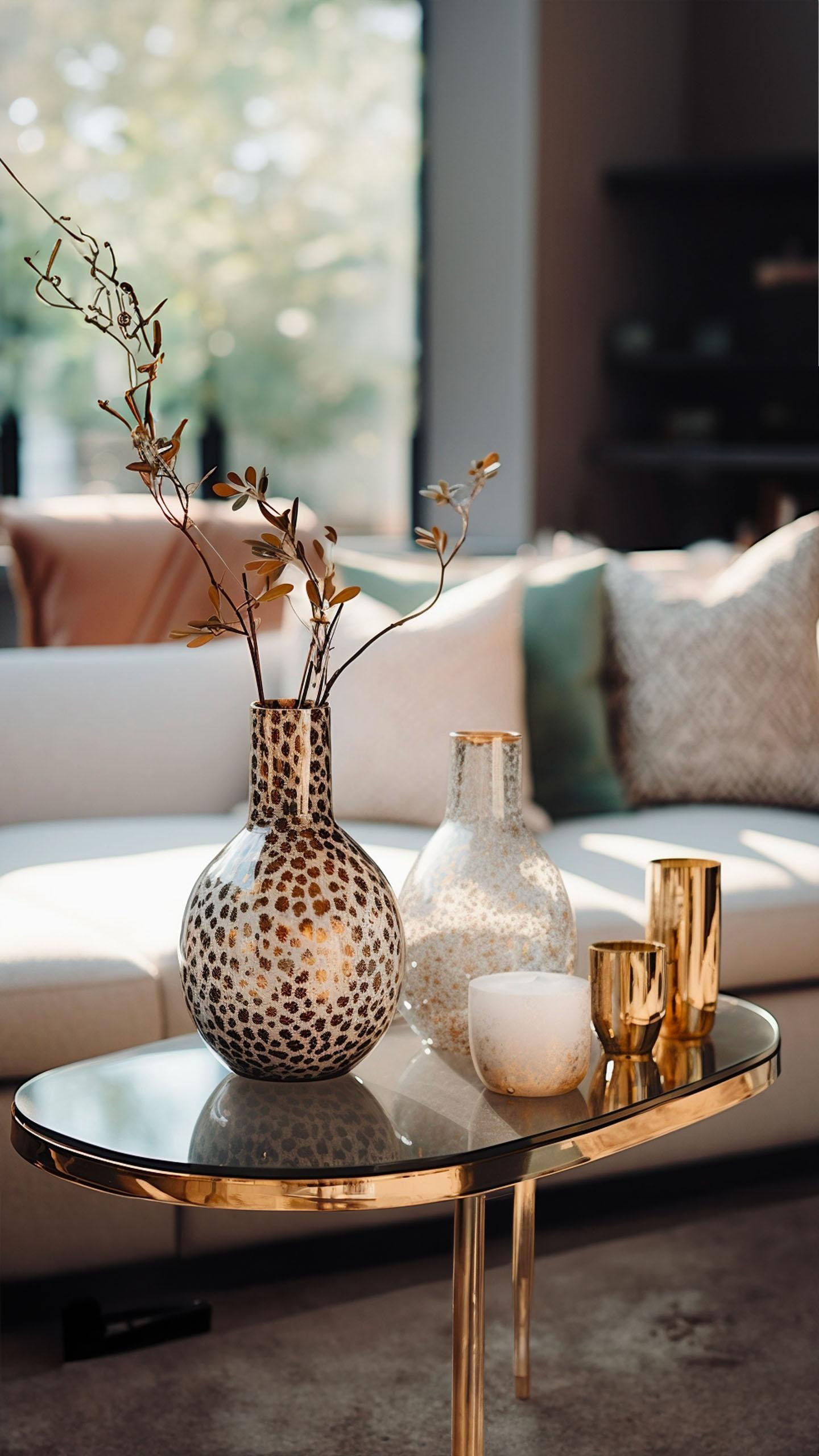
arranged display, their coffee table presents a curated collection of items that appear to have been gathered mindfully over time. This includes ceramics of varying heights, a brass tray, a figure sculpture, and various coffee table books. This 'anti-perfection' approach creates a warm and inviting atmosphere, making the living room feel more personal and less overtly styled. Design experts note that this style aligns with emerging 2027 interior design trends, which favor layered, personal, and character-filled spaces over minimalist or overly neutral aesthetics. The use of reclaimed wood for the coffee table itself also contributes to this lived-in feel, blending well with diverse interior styles.
Why It's Important?
The Brolins' coffee table styling is significant as it sets a trend for interior design, moving away from overly polished and impersonal aesthetics towards more authentic, 'lived-in' spaces. This shift reflects a broader cultural desire for comfort, personality, and individuality in home environments. For the interior design industry, this signals a demand for curated, eclectic pieces and a focus on storytelling through decor. Retailers and designers may adapt by offering more unique, artisanal, or vintage-inspired items that contribute to this layered look. Homeowners are encouraged to embrace imperfection and personal collections, fostering a more relaxed and inviting atmosphere. This trend also emphasizes the importance of smaller decor elements, like coffee table arrangements, in defining the overall character and mood of a room, making them central focal points rather than mere accessories.
What's Next?
As this 'anti-perfection' styling gains traction, it is expected to influence interior design trends throughout 2027 and beyond. We may see an increased emphasis on vintage and antique pieces, tactile fabrics, patterned wallpapers, and collected objects in home decor. Designers and furniture manufacturers are likely to respond by creating more pieces that support this layered and personal aesthetic, such as unique ceramics, sculptural objects, and diverse coffee table books. Consumers might also be encouraged to explore more personalized styling techniques, focusing on items with sentimental value or unique stories. This trend could also lead to a greater appreciation for sustainable and reclaimed materials, as they naturally contribute to a lived-in and authentic feel. The focus on creating warm, inviting spaces suggests a continued move away from stark minimalism in residential interiors.
Beyond the Headlines
The 'anti-perfection' trend in interior design, exemplified by the Brolins' coffee table, reflects a deeper societal shift towards authenticity and away from curated, often unattainable, ideals presented on social media. In an era where digital perfection can feel overwhelming, homes are becoming sanctuaries of genuine expression and comfort. This design philosophy encourages individuals to embrace their personal histories and tastes, transforming living spaces into reflections of their lives rather than showrooms. Ethically, it promotes sustainability by valuing existing pieces and encouraging mindful consumption over constant acquisition of new, mass-produced items. Culturally, it signifies a return to valuing craftsmanship, uniqueness, and the stories embedded in objects, fostering a more meaningful connection between individuals and their living environments. This approach suggests a broader cultural movement towards valuing the real over the ideal.