



What's Happening?
The Sarasota Medieval Fair is set to return for its 22nd anniversary, running on Saturdays and Sundays from November 7 through December 6 at the Woods of Mallaranny at Mallaranny Farms in Myakka City,
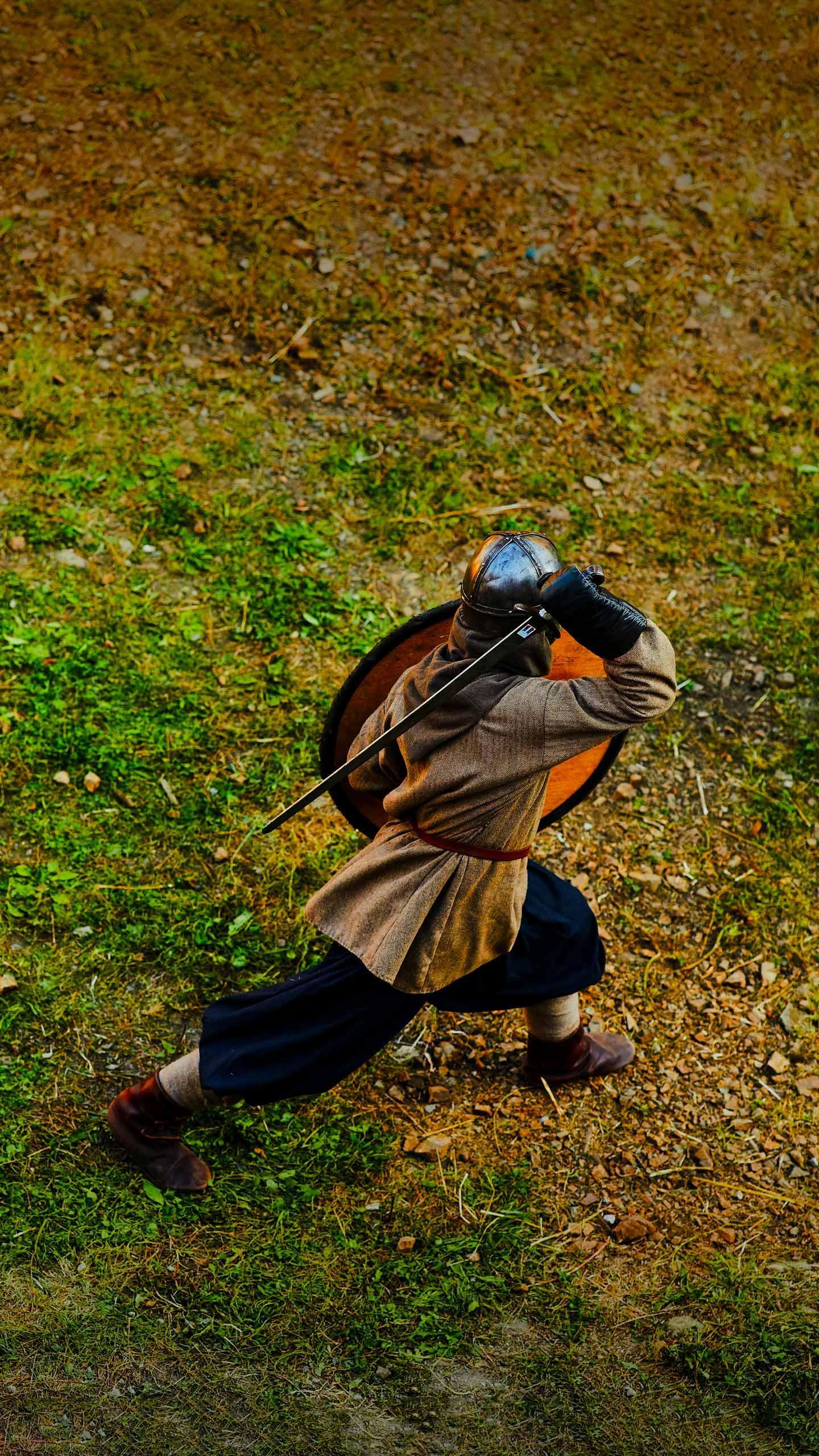
Florida. The fair will operate from 9:45 a.m. to 5:30 p.m., rain or shine. This year's event features a storyline inspired by the Viking Siege of Paris in 845 A.D., incorporating historical accounts and legends into live performances. Combat cast members Tim White, playing Norse leader Ragnar Sigurdsson, and Bruce LaFollette, portraying a character defending Paris, will be featured. The fair will include staged battles with dulled steel weapons, entertainment across 14 stages with live music, comedy, magic, aerial performances, juggling, human combat chess, rides, and games. A major attraction will be horseback tournaments, including full-contact jousting. For the first time, the fair is implementing date-specific tickets, requiring visitors to purchase admission for the exact day they plan to attend. Organizers recommend purchasing tickets online in advance and carpooling due to anticipated crowds.
Why It's Important?
The return of the Sarasota Medieval Fair signifies a notable cultural and economic event for the Myakka City and broader Sarasota region. As a long-standing annual tradition, it provides significant entertainment and tourism draw, contributing to local businesses through visitor spending on tickets, artisan goods, food, and lodging. The introduction of date-specific ticketing represents a shift in event management, likely aimed at better crowd control and resource allocation, which could impact visitor planning and overall attendance flow. For attendees, this change necessitates more deliberate planning, potentially reducing spontaneous visits but ensuring a more managed experience. The fair's historical theme, focusing on the Viking Siege of Paris, offers an educational and immersive experience, blending entertainment with historical narratives, which can foster community engagement and appreciation for historical reenactment. The event also supports local artisans, providing a marketplace for handmade goods and contributing to the local creative economy, especially as it coincides with the holiday shopping season.
What's Next?
The Sarasota Medieval Fair will continue its run every Saturday and Sunday until December 6, with each weekend featuring a different theme that builds upon the season-long Viking storyline. Upcoming themed weekends include High Seas Weekend (Nov. 7–8), Viking Invasion Weekend (Nov. 14–15), Highlands Weekend (Nov. 21–22), Mystical Realms Weekend (Nov. 28–29), and Saint Nicholas Celebration Weekend (Dec. 5–6). Visitors are strongly advised to purchase their date-specific tickets online in advance to ensure entry for their desired day. The fair's organizers will likely monitor the effectiveness of the new ticketing system and adjust future event planning based on this year's experience. Local businesses in Myakka City and surrounding areas can anticipate continued increased patronage throughout the fair's duration. The event will conclude with the Saint Nicholas Celebration Weekend, marking the end of its 22nd anniversary season.
Beyond the Headlines
The Sarasota Medieval Fair's continued success and evolution, particularly with its 22nd anniversary, highlights the enduring appeal of historical reenactment and immersive cultural experiences in the U.S. The choice of the Viking Siege of Paris as a central theme reflects a broader cultural interest in Norse history and medieval European narratives, often popularized through media. The fair serves as more than just entertainment; it acts as a living history lesson, allowing attendees to engage with historical periods in a tangible way, fostering an appreciation for the past. The shift to date-specific ticketing could be indicative of a wider trend in large-scale event management, prioritizing visitor experience and operational efficiency through controlled attendance, a practice that has become more prevalent in various entertainment venues. This approach also underscores the logistical complexities of managing large public gatherings and the continuous adaptation required to meet both visitor expectations and operational demands.