




What's Happening?
Interior designers are providing guidance on how to make open-concept living spaces feel more inviting and less impersonal. While open-plan rooms are popular for their bright and airy feel, they can sometimes
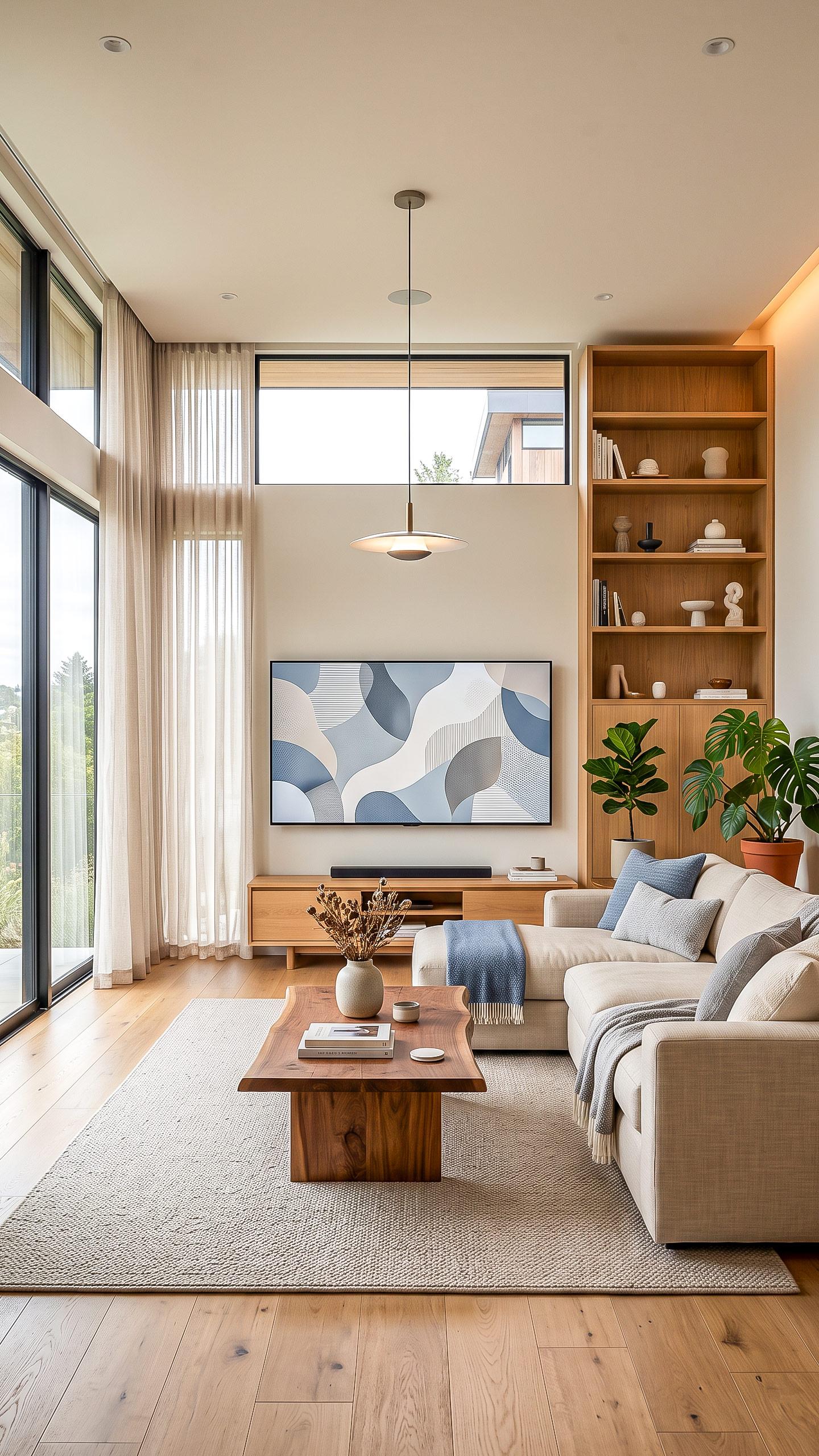
appear cold or echoey due to a lack of defined areas. The recommendations focus on creating structure and warmth within these large spaces. Key strategies include dividing the area into distinct zones for different activities, such as cooking, dining, and relaxing. Designers suggest using area rugs to visually separate these zones and add softness underfoot. Additionally, floating furniture away from walls to create intimate groupings and layering various lighting sources in each zone are emphasized to enhance the overall ambiance. These tips aim to transform potentially stark open layouts into comfortable and purposeful environments.
Why It's Important?
The trend towards open-concept living has been prevalent in U.S. home design for years, driven by a desire for spaciousness and modern aesthetics. However, the challenge of making these large, undivided areas feel comfortable and personal is a significant concern for homeowners and interior design professionals. These design tips are important because they address a common drawback of open-plan layouts, offering practical solutions that can improve daily living experiences. By creating cozier, more defined spaces, these strategies can enhance mental well-being, promote relaxation, and make homes more functional for various activities. For the interior design industry, these recommendations highlight evolving consumer needs and provide actionable advice for clients seeking to balance modern design with personal comfort, potentially influencing future design trends and product selections in home furnishings and decor.
What's Next?
As homeowners continue to embrace open-concept designs, the demand for solutions that enhance coziness and functionality is likely to grow. Future trends may see an increased focus on modular furniture, smart lighting systems with advanced zoning capabilities, and innovative room dividers that offer flexibility without sacrificing the open feel. Manufacturers of home furnishings and decor are expected to respond by offering products tailored to these needs, such as larger, more textured area rugs, versatile seating arrangements, and decorative elements that absorb sound. Interior designers will likely integrate these principles more deeply into their practices, offering specialized services for optimizing open-plan spaces. Educational resources and DIY guides for homeowners on creating distinct zones and layering textures will also become more prevalent, empowering individuals to personalize their living environments.
Beyond the Headlines
The shift towards making open-concept spaces cozier reflects a broader cultural desire for comfort and personalization in an increasingly fast-paced world. Beyond aesthetics, the design principles discussed touch upon psychological aspects of living spaces. Undefined, echoey rooms can contribute to feelings of detachment or unease, whereas well-zoned, warm environments can foster a sense of security and belonging. This emphasis on 'coziness' also highlights a potential counter-trend to minimalist, stark designs, suggesting a return to more tactile, inviting, and human-centric interiors. The integration of natural materials and soft textiles not only addresses acoustic issues but also connects residents with nature, promoting a sense of calm. This evolution in design thinking underscores the understanding that homes are not just functional spaces but also crucial environments for emotional well-being and personal expression.