



What's Happening?
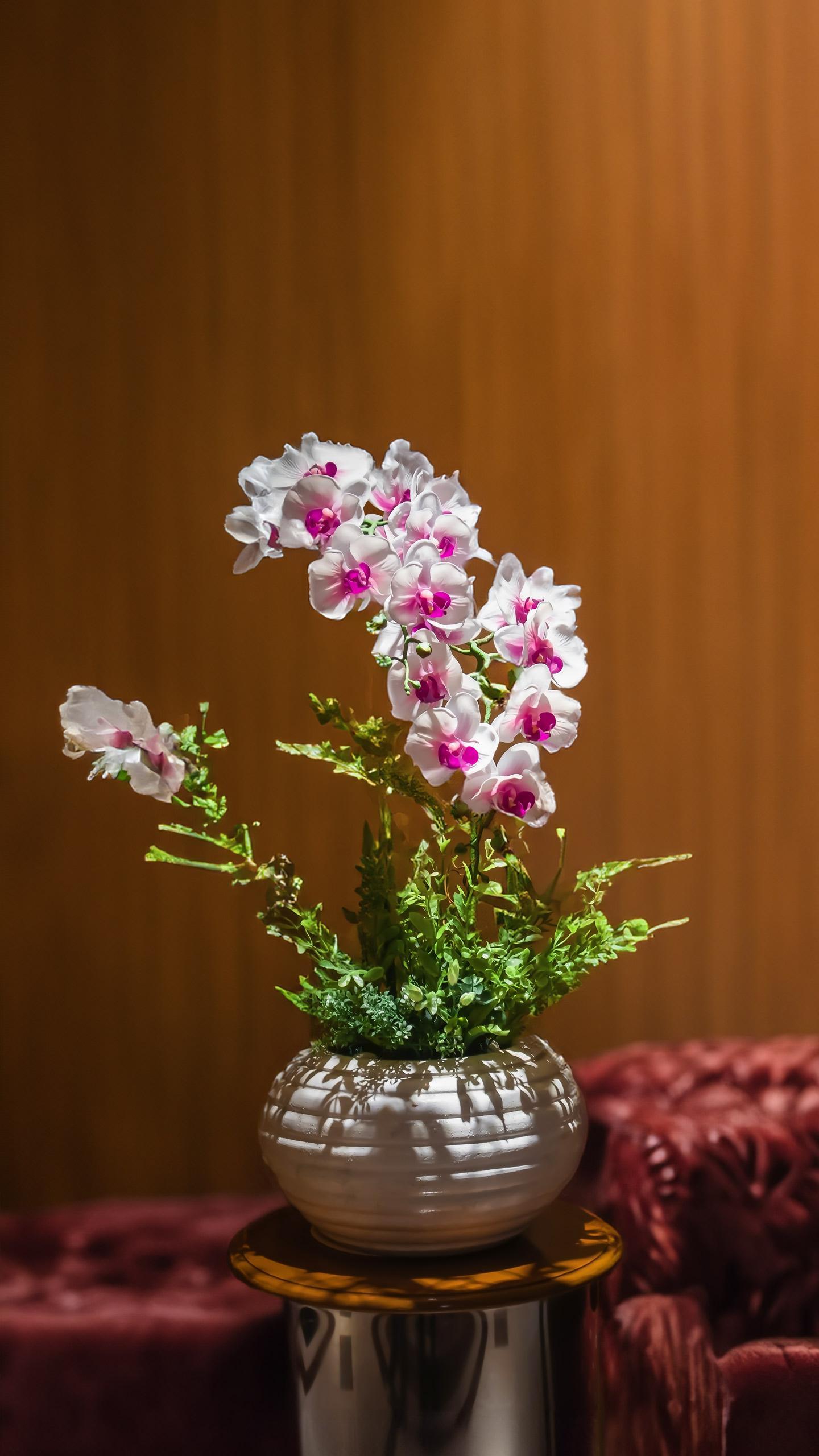
The moth orchid (Phalaenopsis) has been highlighted as a sophisticated and low-maintenance option for holiday decor, offering long-lasting color and grace. This plant is presented as an alternative to
traditional holiday flora like poinsettias, providing an elegant aesthetic suitable for both classic and modern seasonal styles. Horticulturist Justin Hancock of Costa Farms notes that while moth orchids bloom in various colors, white-flowering selections are particularly favored during the holiday season due to their versatility and light-reflecting qualities. The article emphasizes the orchid's sculptural blooms and sleek silhouette as key features that enhance holiday arrangements. Moth orchids are also noted for their ability to re-bloom year after year, making them a sustainable addition to a plant collection, even if their re-blooming doesn't always coincide with the holidays. Growing tips include providing bright, indirect light and watering when the potting mix dries out, while avoiding direct sun and cold drafts to ensure optimal blooms and plant health.
Why It's Important?
The inclusion of moth orchids in holiday decor signifies a growing trend towards diverse and sustainable plant choices for seasonal celebrations. This shift moves beyond traditional, often single-use, holiday plants, encouraging consumers to invest in flora that offers year-round beauty and can be enjoyed for extended periods. For the horticulture industry, promoting plants like moth orchids can lead to increased sales of more specialized and perennial options, diversifying the market beyond seasonal spikes. Consumers benefit from having more sophisticated and enduring decorative choices that can integrate into home aesthetics long after the holidays conclude. This trend also aligns with broader lifestyle movements emphasizing sustainability and thoughtful consumption, where items are valued for their longevity and versatility rather than their temporary festive appeal. The emphasis on low-maintenance care also makes these plants accessible to a wider audience, potentially expanding the market for indoor plants.
What's Next?
As consumer interest in sustainable and long-lasting holiday decor grows, it is likely that more diverse plant species will be featured in seasonal guides and retail offerings. Horticultural businesses may increase their stock and marketing efforts for plants like moth orchids, highlighting their year-round appeal and ease of care. We can anticipate a continued trend of integrating plants that offer both aesthetic value and longevity into holiday traditions. This could lead to innovations in plant care products and educational resources aimed at helping consumers maintain these plants beyond their initial purchase. Furthermore, interior design trends may increasingly incorporate these versatile plants into year-round home decor, blurring the lines between seasonal and everyday ornamentation. Retailers might also develop curated collections of non-traditional holiday plants, offering consumers more sophisticated and unique options for festive decorating.
Beyond the Headlines
The shift towards plants like moth orchids for holiday decor reflects a deeper cultural evolution in how individuals approach celebrations and home aesthetics. It suggests a move away from purely transient, disposable decorations towards more enduring and integrated elements that contribute to a home's overall ambiance throughout the year. This trend also highlights a growing appreciation for botanical diversity and the aesthetic value of plants beyond their immediate seasonal association. Ethically, it supports more sustainable consumption patterns by encouraging the purchase of items with a longer lifespan, reducing waste associated with single-use holiday decorations. This could also foster a greater connection between individuals and their living environments, as they engage in the ongoing care and appreciation of their plants. The elegance and perceived sophistication of orchids may also elevate the perceived value of holiday decor, moving it from mere festivity to an expression of refined taste and sustainable living.