



What's Happening?
Psychologist Michael Slepian, author of 'The Secret Life of Secrets,' suggests that the universal human experience of keeping secrets is a key reason why thrillers, particularly those centered on hidden
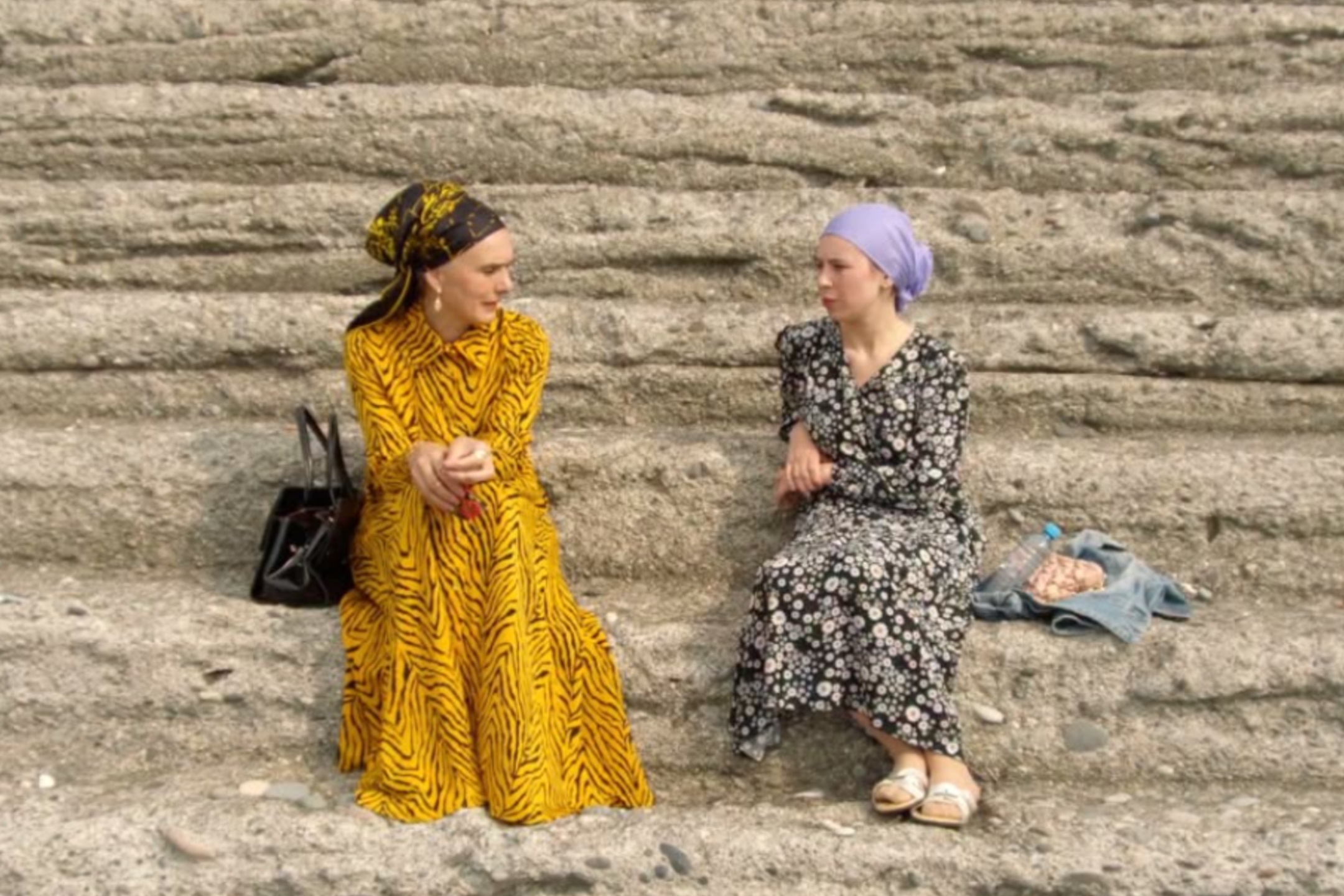
truths, resonate deeply with audiences. According to Slepian's research involving over 50,000 participants, everyone has kept a secret at some point, and most individuals are currently harboring at least one. He notes that secrets generally fall into one of 38 categories, indicating that the feeling of having a unique 'darkest truth' is often a misconception. This psychological insight is applied to the appeal of dramas like Sky's 'The Good Daughter,' adapted from Karin Slaughter's book, which features estranged sisters Charlotte and Samantha Quinn grappling with a web of secrets in their hometown of Pikeville, Georgia. Slepian explains that the human mind is drawn to mysteries it hopes will be resolved, finding intrigue in clues that lead in both correct and incorrect directions.
Why It's Important?
Slepian's research sheds light on the psychological underpinnings of human behavior and the enduring appeal of narrative forms that explore hidden aspects of life. Understanding the universality of secrets can foster a sense of shared experience, potentially reducing feelings of isolation associated with personal hidden truths. For the entertainment industry, this insight provides a framework for creating compelling stories that tap into fundamental human psychology, ensuring continued engagement with genres like thrillers. Beyond entertainment, recognizing the commonality of secrets could influence approaches in fields such as therapy and social work, where understanding the nature and impact of secrets is crucial. It highlights how fiction can serve as a safe space for individuals to process complex emotions and scenarios without real-world consequences, offering a form of 'practice' for navigating life's challenges.
What's Next?
The insights from Slepian's work could lead to further psychological studies into the specific categories of secrets and their varying impacts on mental health and social interactions. In the entertainment sector, creators may increasingly leverage these psychological principles to develop more nuanced and relatable narratives, focusing on the internal struggles and hidden dynamics that resonate with a broad audience. Educational programs could also incorporate these findings to promote empathy and understanding regarding the complexities of human behavior. Additionally, the research might inform strategies for fostering open communication in personal and professional relationships, by acknowledging the inherent human tendency to keep secrets and exploring healthier ways to manage them.
Beyond the Headlines
The exploration of secrets delves into profound ethical and cultural dimensions. Ethically, the act of keeping secrets often involves a tension between personal privacy and the potential for deception or harm to others. Culturally, societal norms dictate what types of information are considered private versus public, and these norms vary significantly across different communities. Slepian's finding that secrets fall into common categories suggests a shared human condition, transcending individual circumstances. This perspective can challenge the notion of individual uniqueness in suffering or guilt, fostering a more collective understanding of human vulnerability. The long-term shift could be towards a greater societal acceptance and open discussion of common secrets, potentially reducing stigma and promoting mental well-being by normalizing the experience of having hidden aspects of one's life.