
What's Happening?
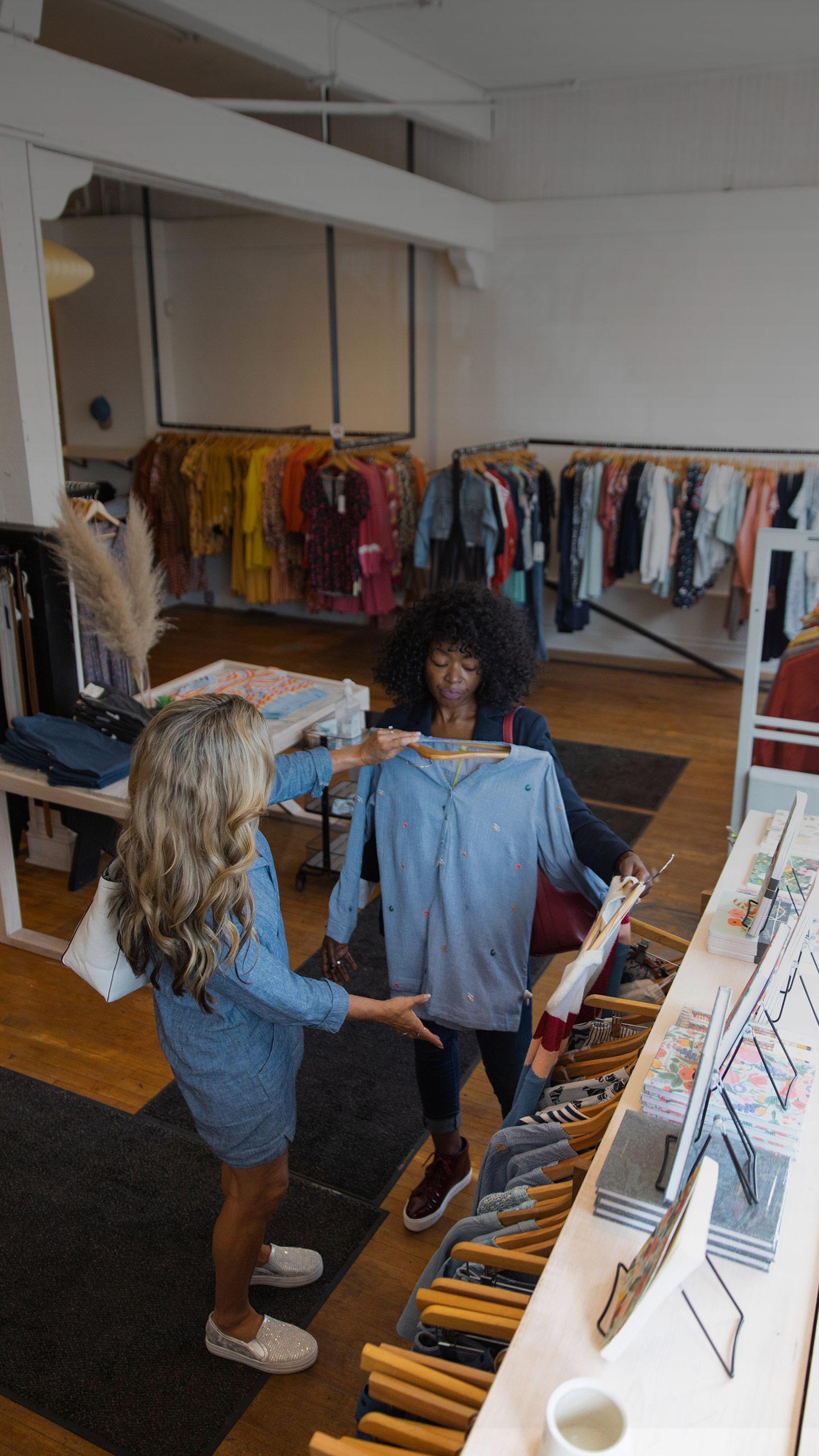
Thrifting and secondhand shopping are experiencing a surge in popularity in Baton Rouge, Louisiana, with consumers increasingly drawn to the sustainability and cost-saving benefits. Stores like Time Warp
and Swap curate their inventory for style, offering a more refined secondhand shopping experience. Other establishments, such as Purple Cow and Goodwill, provide a broader selection, allowing for an adventurous search for unique items. Purple Cow, with two locations in Baton Rouge, offers packed racks of clothing sorted by category, alongside books, home decor, and accessories, and supports philanthropic endeavors through its sales. Goodwill operates five locations in the area, serving as a reliable option for finding hidden thrift treasures. Good Choices Co., a Baton Rouge business, focuses on sustainable shopping with a colorfully curated Instagram presence featuring designer labels and unique pieces. The Pink Elephant Antiques, Baton Rouge's largest antique mall, offers a different approach, combining trinkets, knickknacks, and some clothing from 20 different dealers, providing inspiration for home decor and unique finds. This trend reflects a broader shift towards valuing authenticity and giving new life to pre-owned items.
Why It's Important?
The growing trend of thrifting and secondhand shopping in Baton Rouge highlights a significant shift in consumer behavior, driven by economic and environmental consciousness. For consumers, particularly those seeking affordability, these stores offer quality garments and unique items at a fraction of the cost of new retail. This is especially impactful in a challenging economic climate, providing accessible options for clothing and home goods. From an environmental perspective, increased secondhand shopping directly contributes to reducing textile waste, a substantial issue with millions of tons of clothing and footwear ending up in landfills annually. The success of businesses like Purple Cow, which uses its proceeds for philanthropic endeavors, demonstrates how this trend can also support local communities and social causes. This movement fosters a culture of sustainability and resourcefulness, encouraging consumers to consider the lifecycle of products and the broader impact of their purchasing decisions.
Beyond the Headlines
The rise of thrifting extends beyond mere cost savings and environmental benefits; it represents a cultural embrace of individuality and storytelling through possessions. Consumers are increasingly seeking items with character and history, moving away from fast fashion and mass-produced goods. This shift allows for the creation of personalized spaces and wardrobes that reflect unique tastes and values. The 'art form' of thrifting, as described by some, involves the satisfaction of discovering a unique piece and integrating it into one's personal style, giving it new meaning. This trend also challenges traditional notions of value, where an item's worth is not solely determined by its newness or brand, but by its uniqueness, sustainability, and the story it tells. The curated selections in some thrift stores, alongside the adventurous hunt in others, cater to different preferences within this growing movement, indicating a diverse and evolving market for secondhand goods.