



What's Happening?
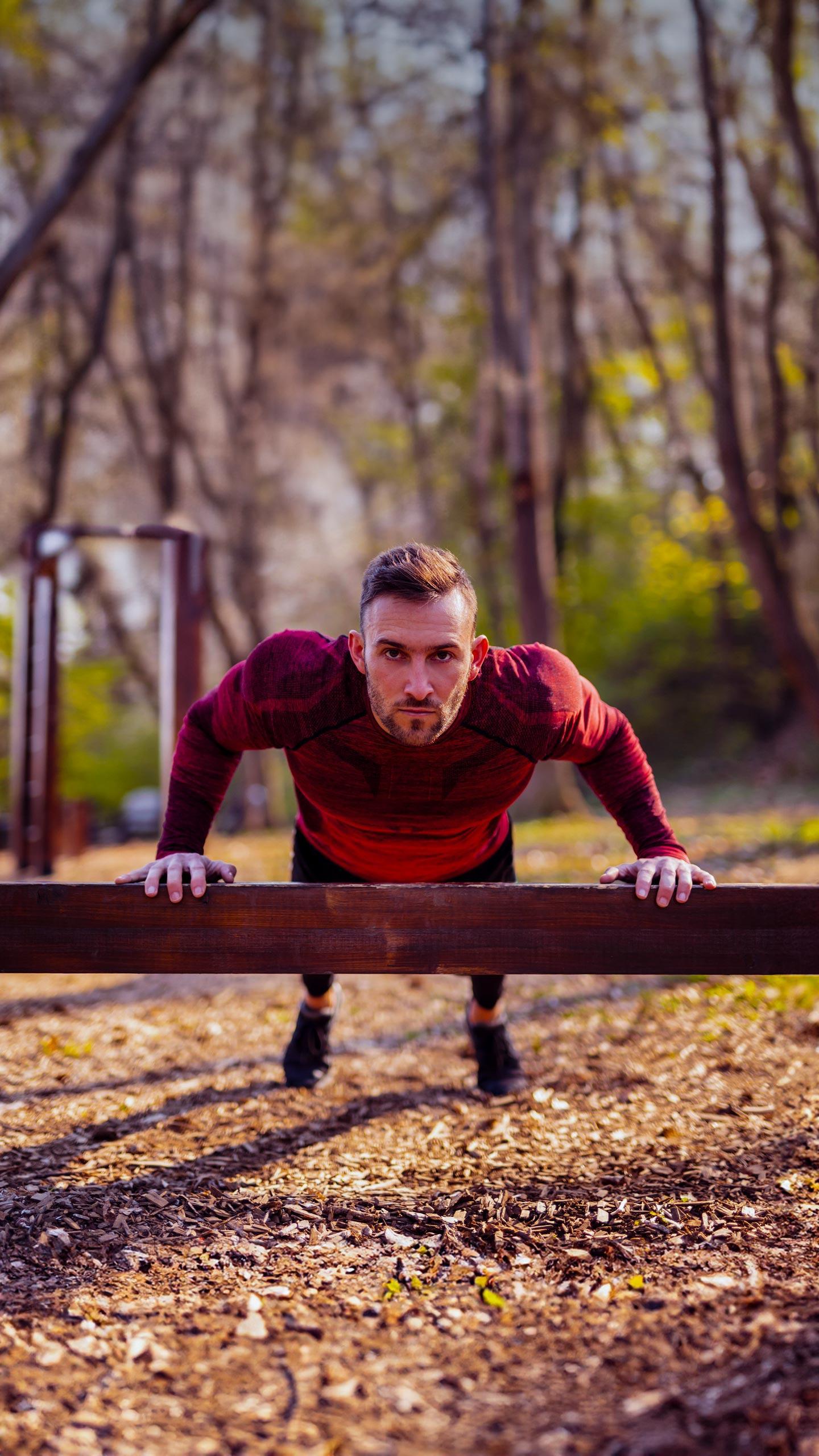
Welsh adventurer Ash Dykes, known for his world-first expeditions, primarily uses bodyweight exercises like pull-ups, push-ups, and dips to build the 'real-world strength' required for his extreme challenges.
Dykes, currently undertaking 'Project 6' which involves year-long global extreme challenges, emphasizes muscular endurance, body mobility, agility, balance, flexibility, coordination, and cardiovascular endurance over heavy weightlifting. His training regimen, typically five to six times a week for a couple of hours daily, is unorthodox and focuses on preparing his body for continuous movement, sleep deprivation, starvation, heat stroke, and dehydration. He also incorporates unconventional methods, such as flipping tractor tires and beating them with a sledgehammer, to build core strength. Dykes prioritizes recovery between expeditions, gradually reintroducing training and increasing calorie intake to regain lost weight and build insulation for cold environments, learning from past experiences to prevent injuries.
Why It's Important?
Ash Dykes' training philosophy offers valuable insights for fitness enthusiasts and athletes in the U.S., particularly those interested in functional strength and endurance for real-world applications rather than just gym performance. His reliance on bodyweight exercises demonstrates that significant physical capabilities can be developed without access to specialized gym equipment, making fitness more accessible. This approach is crucial for individuals seeking to improve overall physical resilience, which is beneficial for various activities from outdoor adventures to demanding professions. Dykes' emphasis on muscular endurance and mobility also highlights a shift from purely aesthetic or maximal strength goals towards a more holistic view of fitness that prioritizes the body's ability to perform under diverse and challenging conditions, potentially influencing training trends and program designs.
What's Next?
The success of adventurers like Ash Dykes could further popularize bodyweight training and calisthenics in the U.S. fitness landscape. We might see an increase in specialized bodyweight training programs, workshops, and online content focusing on functional strength and endurance. Fitness professionals may integrate more of these 'unorthodox' training methods into their client programs, moving beyond traditional gym routines. There could also be a greater emphasis on preparing the body for environmental stressors and prolonged physical exertion, influencing how athletes train for ultra-endurance events or adventure races. Manufacturers of fitness equipment might also innovate to create more versatile and portable bodyweight training tools, catering to individuals who prefer to train outside conventional gyms.
Beyond the Headlines
Dykes' approach to training transcends mere physical preparation; it embodies a profound mental resilience and adaptability. His ability to push through extreme conditions, relying on his body's memory of past challenges, speaks to the deep connection between physical and psychological fortitude. This perspective encourages individuals to view fitness not just as a physical pursuit but as a means to cultivate mental toughness and self-reliance. Ethically, it promotes a sustainable and adaptable approach to fitness, emphasizing longevity and injury prevention over short-term gains. Culturally, it reinforces the human spirit's capacity for exploration and endurance, inspiring others to test their own limits and engage with the natural world in more profound ways.