
What's Happening?
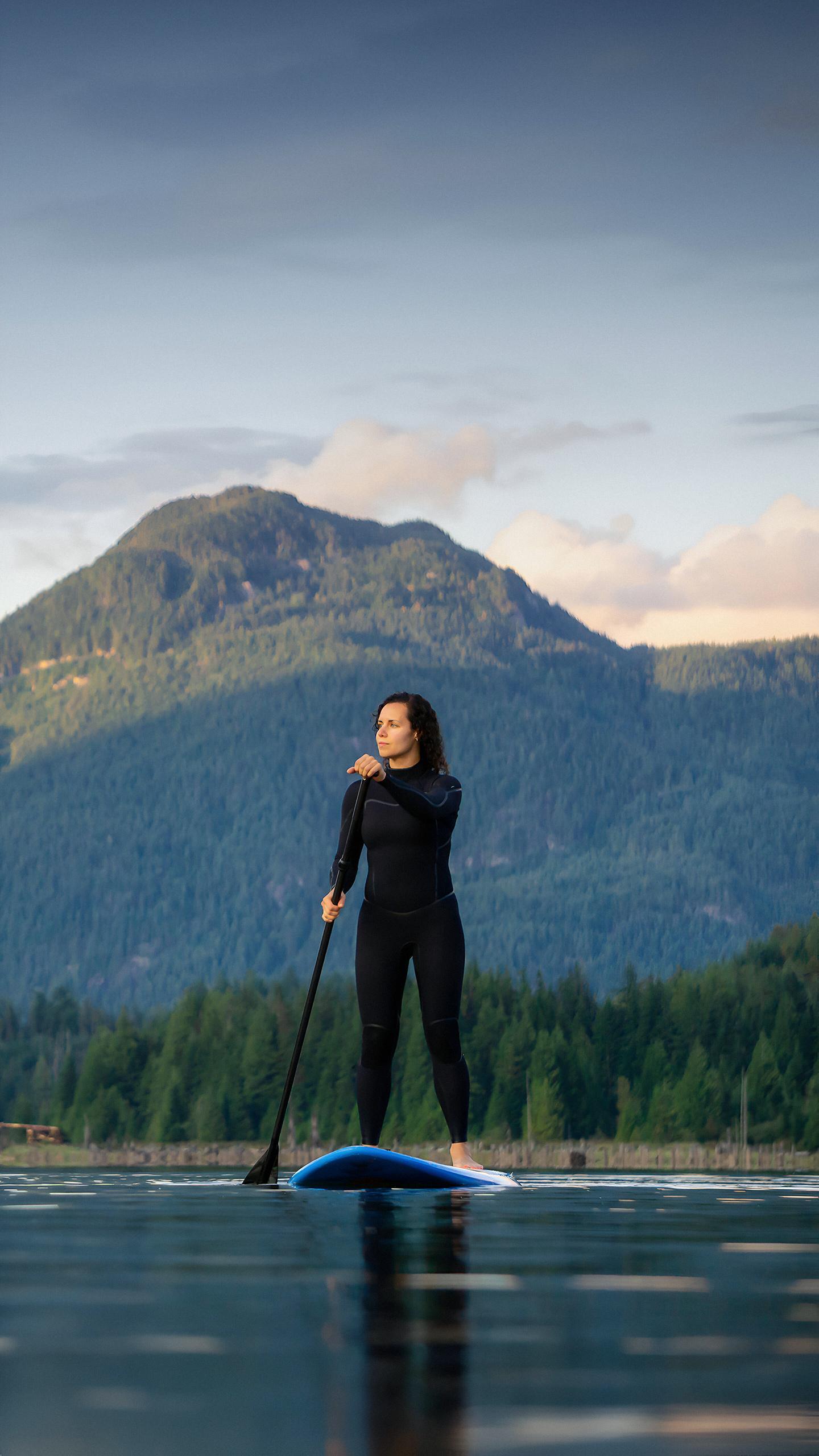
Paddleboard yoga, a practice combining yoga poses with stand-up paddleboarding, necessitates specific conditions and equipment for effective and safe participation. To begin, a wide board, at least 32
inches wide, is recommended for stability. The ideal environment is a flat body of water with no wind, such as a lake in the morning during summer. While not essential to be an experienced paddler, participants should be able to paddle back to a mooring point and re-board after a fall. Most poses are performed seated, kneeling, lying down, or on all fours, with standing poses introduced as comfort and balance improve. Key poses for beginners include seated cross-legged, child's pose, and cat-cow. Sessions typically last between 30 minutes and an hour. When practicing at sea, it is advised to stay close to the shore in calm, windless conditions, within the 300-meter band for boards under 3.50 meters. Clothing should allow for easy movement and be suitable for the water temperature to prevent discomfort if one falls in. Mooring the board to a buoy, pontoon, or using an anchor is crucial to prevent drifting, and the paddle should be attached to the board.
Why It's Important?
The growing popularity of paddleboard yoga highlights an evolving trend in fitness and wellness, emphasizing outdoor activities and unique experiential exercise. This niche market caters to individuals seeking to combine the physical and mental benefits of yoga with the tranquility and challenge of being on water. The specific requirements for board width, water conditions, and safety measures underscore the importance of proper preparation and instruction to ensure participant safety and enjoyment. For businesses in the fitness and outdoor recreation sectors, understanding these requirements is crucial for developing appropriate equipment, offering suitable classes, and marketing to the right demographic. The emphasis on stability and calm conditions also reflects a broader consumer desire for mindful and low-impact activities that promote both physical health and mental well-being. The need for specialized equipment, such as wider boards, also creates opportunities for manufacturers and retailers in the paddleboarding industry.
What's Next?
As paddleboard yoga continues to gain traction, it is likely that more clubs, schools, and independent instructors will offer specialized sessions, catering to various skill levels. The development of new equipment designed specifically for paddleboard yoga, such as even wider or more stable boards, could also emerge. There may be an increased focus on safety guidelines and certifications for instructors to ensure consistent quality and safety standards across the industry. Furthermore, as the practice becomes more mainstream, there could be a rise in destination-based paddleboard yoga retreats and workshops, attracting tourists and wellness enthusiasts. The integration of technology, such as waterproof fitness trackers or guided meditation apps tailored for on-water practice, could also enhance the experience. Local regulations regarding water sports and safety, particularly in coastal areas and lakes, may also evolve to accommodate the growing number of paddleboard yoga practitioners.
Beyond the Headlines
Paddleboard yoga represents more than just a fitness trend; it embodies a deeper connection to nature and a unique approach to mindfulness. The inherent instability of the board on water forces practitioners to engage core muscles and focus intensely on balance, thereby enhancing concentration and presence. This practice can offer a profound sense of calm and a break from the stresses of daily life, as participants are immersed in natural surroundings. Ethically, the practice encourages respect for aquatic environments, as participants are directly interacting with nature. Culturally, it blends ancient yogic traditions with modern outdoor recreation, creating a hybrid activity that appeals to a diverse audience. The long-term shift could see a greater emphasis on 'blue space' activities—those performed in or near water—for their recognized benefits to mental health and well-being, further integrating nature into fitness routines and promoting a holistic approach to health.