


What's Happening?
Mather, an organization focused on older adults, has launched its Grow-It-Together initiative, which integrates indoor gardening with social engagement. This program provides participants with hydroponic
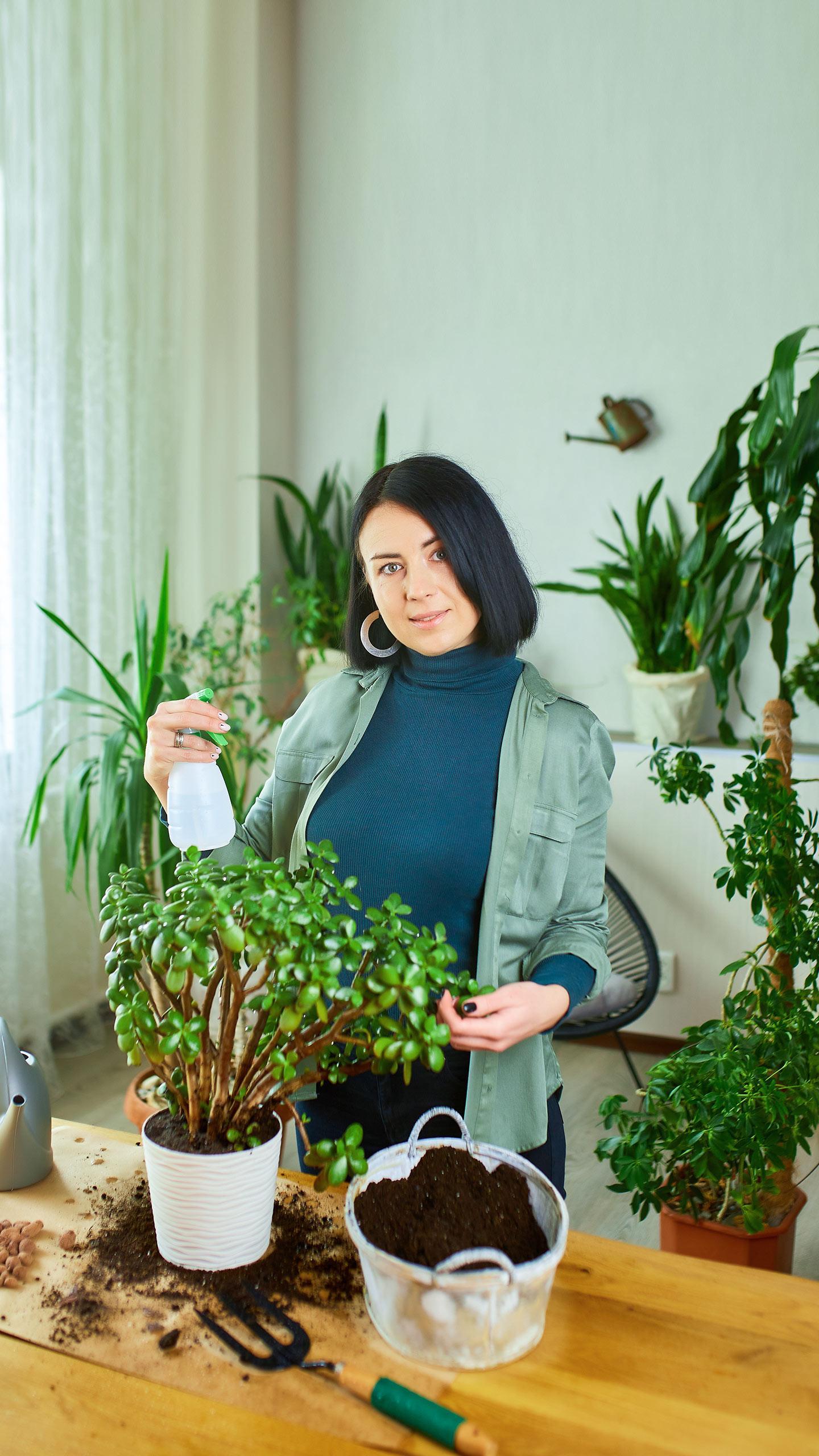
gardens and seed starters, enabling them to cultivate plants within their homes. A key component of the initiative is a supportive Facebook community, where members can share their gardening progress, exchange tips, and connect with peers. This digital platform fosters a sense of community and mutual encouragement among participants. The initiative aims to address social wellness by offering a structured activity that promotes interaction and shared interest, thereby combating potential feelings of isolation. By combining a tangible, engaging hobby with a dedicated social space, Mather seeks to enhance the overall well-being of older adults, providing both a productive pastime and opportunities for meaningful connection.
Why It's Important?
This initiative is important because it directly addresses the critical issue of social isolation among older adults, a demographic particularly vulnerable to loneliness and its associated health risks. By providing hydroponic gardens, Mather offers a low-barrier entry point into a rewarding hobby that can be pursued regardless of physical mobility or access to outdoor space. The integration of a Facebook community is crucial, as it leverages technology to create accessible social networks, allowing individuals to connect from the comfort of their homes. This model could serve as a blueprint for other organizations looking to foster community and engagement among seniors, demonstrating how practical activities combined with digital platforms can significantly improve social wellness and quality of life. The program's focus on shared interests helps build genuine connections, which are vital for mental and emotional health.
What's Next?
The success of Mather's Grow-It-Together initiative could lead to its expansion, potentially incorporating more advanced gardening techniques, virtual workshops, or even local meet-ups for participants who are able. Other organizations serving older adults might adopt similar hybrid models, combining hands-on activities with online community building to address social wellness. There could also be opportunities for intergenerational programs, where older adults share their gardening knowledge with younger generations, further enriching social connections. Future developments might include partnerships with horticultural experts to provide specialized guidance or the introduction of competitive or collaborative gardening projects within the community. The ongoing feedback from participants will be crucial in refining the program and exploring new avenues for engagement and support.
Beyond the Headlines
Beyond the immediate benefits of social connection and hobby engagement, Mather's initiative highlights a broader trend in wellness programs: the integration of technology to bridge physical distances and create inclusive communities. It underscores the therapeutic benefits of gardening, often referred to as horticultural therapy, which can reduce stress, improve mood, and provide a sense of purpose. The program also subtly promotes healthy eating habits by encouraging participants to grow their own produce. Furthermore, it challenges traditional notions of aging by empowering older adults to learn new skills and actively participate in a vibrant community, fostering a sense of agency and continued personal growth. This approach recognizes that holistic well-being encompasses not just physical health, but also mental, emotional, and social dimensions.